Pete Hegseth Faces Growing Republican Doubts as Iran War Funding Fight Becomes a Battle Over Trust
The fight over Pete Hegseth’s Iran war funding has become one of the most complicated political challenges facing the Trump administration, with billions of dollars on the line and growing questions inside Congress about cost, strategy, and accountability. What began as a request to strengthen the Pentagon’s resources has evolved into a broader debate about whether lawmakers have enough information to approve a historic military spending package.
Defense Secretary Pete Hegseth has spent weeks attempting to convince Republican senators that additional funding is necessary to support U.S. operations, replenish military supplies, and maintain readiness during the Iran conflict. However, the response from some lawmakers has revealed a deeper concern: not whether America should maintain a strong military, but whether Congress fully understands the financial and strategic commitments being requested.
Hegseth’s resistance highlights a difficult reality for the administration. Support for defense spending does not always translate into automatic approval of every funding request. As senators examine the Pete Hegseth Iran war funding proposal, they are demanding clearer answers about how much the conflict has cost, what objectives remain, and what future commitments could follow.
A Pentagon Funding Request Collides With a Wall of Congressional Doubt

The administration entered the debate expecting strong Republican support for increased defense spending. Historically, many Republican lawmakers have supported larger military budgets, arguing that national security requires consistent investment in weapons, personnel, and technology. Yet the response to the latest Pete Hegseth request for Iran war funding has been more cautious than expected.
Hegseth has held multiple meetings with members of Congress to explain why the Pentagon needs additional money. Officials have argued that the Iran conflict has placed pressure on U.S. military resources and created an urgent need to replace equipment and maintain operational capacity. Despite those arguments, some senators have remained hesitant because they believe key details are still missing.
The challenge is not simply convincing lawmakers that the military requires funding. Many members of Congress agree that defense readiness matters. The difficult question is whether the administration has provided enough transparency about the scale of the request and the long-term consequences of approving it.
Senators leaving private briefings have repeatedly pointed to uncertainty surrounding the numbers. Rather than announcing immediate support, some lawmakers have called for more information before committing to billions of additional dollars. Their hesitation has turned the funding debate into a test of confidence between Congress and the Pentagon.
Sen. Lisa Murkowski of Alaska reflected that cautious approach after meeting with Hegseth and defense officials. She described the meeting as an opportunity for the Pentagon to explain its vision, but she indicated that lawmakers still needed more time before deciding whether the proposed spending level was justified.
That response captured the central problem facing the administration. The debate is no longer only about military strength. It is about whether lawmakers believe they have enough evidence to approve one of the largest defense funding proposals in recent years.
The Missing Numbers Behind a Costly War Raise New Questions
The financial side of the Iran conflict has become one of the biggest sources of disagreement. Defense officials have presented their own estimates of the war’s cost, but outside analysts have suggested the overall financial burden could be significantly higher. The difference between those figures has created frustration among senators who want a clearer accounting.
Hegseth previously told lawmakers that the conflict had reached approximately $37.5 billion in costs. However, independent estimates have suggested the total impact could exceed that amount by a wide margin. The disagreement over the numbers has intensified concerns about whether Congress has a complete understanding of the war’s financial demands.
For lawmakers, the issue is not simply the current price tag. The larger concern is whether additional funding requests could continue if the conflict expands or lasts longer than expected. Historical examples from previous U.S. military engagements show that initial estimates often change as operations develop and unexpected expenses emerge.
The wars in Iraq and Afghanistan remain examples of how military conflicts can create long-term financial obligations. While every conflict has unique circumstances, those experiences have influenced how some lawmakers approach new spending requests. They want assurances that short-term funding decisions will not create years of additional financial pressure.
The debate surrounding Pete Hegseth Iran war funding reflects that broader concern. Senators are asking whether the administration has a realistic assessment of future costs or whether Congress could face repeated requests for emergency funding.
This uncertainty has created an unusual political situation. Lawmakers who support a strong military are still asking difficult questions about spending, oversight, and planning. Their concerns show that defense support and financial caution can coexist.
Inside the Republican Divide Over Military Spending and Fiscal Responsibility

The funding dispute has exposed a growing divide among Republicans over how aggressively the United States should expand defense spending. Some lawmakers argue that global security challenges require immediate investment and that military resources should never be compromised. Others warn that unlimited spending creates risks for the national debt and future budgets.
Defense hawks believe additional funding is necessary because military operations depend on reliable supplies and equipment. They argue that delaying financial support could affect readiness and limit America’s ability to respond to threats. For these lawmakers, the cost of underfunding the military could be greater than the cost of additional spending.
Fiscal conservatives have taken a different approach. They are not necessarily rejecting defense investment, but they want stronger oversight and more detailed explanations. They question whether every requested dollar is necessary and whether Congress has enough control over how funds are allocated.
The disagreement has placed Republican senators in a difficult position. Supporting the administration’s request could demonstrate commitment to national security, but approving a massive spending package without complete information could create political and financial consequences.
President Donald Trump has defended the proposed military investment, describing it as necessary to strengthen America’s defense capabilities. During a Cabinet meeting, Trump emphasized the importance of maintaining a powerful military and argued that the country must remain prepared for future challenges.
However, presidential support alone has not resolved congressional concerns. The Pete Hegseth Iran war funding debate shows that even within a politically aligned party, lawmakers may demand more details before supporting major financial commitments.
The Battle Over Funding Becomes a Fight Over Congressional Power
The debate surrounding the Pentagon request is also connected to a larger question about the balance of power between the White House and Congress. Some lawmakers believe major military commitments require deeper congressional involvement, especially when they involve enormous financial obligations.
Sen. John Curtis of Utah expressed frustration about the lack of available information surrounding the proposed funding package. His comments reflected a broader concern among lawmakers who believe Congress cannot responsibly approve major spending without understanding exactly what the legislation contains.
The issue touches on a long-running debate over presidential authority during military conflicts. Presidents often argue that quick decisions are necessary to protect national interests. Congress, however, has historically sought to maintain its role in approving funding and overseeing major military actions.
The tension between speed and oversight has appeared throughout American history. From Vietnam to more recent conflicts in the Middle East, lawmakers have repeatedly debated how much authority the executive branch should have during periods of military engagement.
The current dispute follows that same pattern. The administration argues that urgent circumstances require swift action, while some senators believe urgency should not eliminate careful review.
For supporters of congressional oversight, the question is simple: How can lawmakers approve billions of dollars if they do not fully understand the mission, cost, and expected outcome?
That question has become central to the Pete Hegseth Iran war funding discussion. The issue is not only about money. It is about who controls decisions involving war, national security, and taxpayer resources.
Hegseth’s Leadership Faces Its Biggest Test Inside Washington
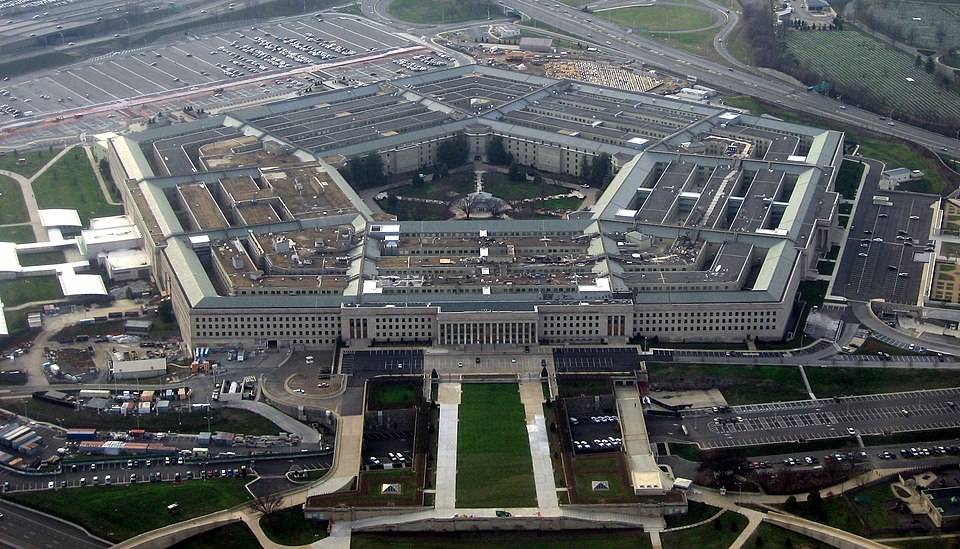
The struggle to secure funding has placed increased attention on Pete Hegseth’s leadership at the Pentagon. A defense secretary must persuade lawmakers that the military has a clear plan, but must also build confidence that taxpayer money will be managed responsibly.
Hegseth has spent significant time meeting with lawmakers and defending the administration’s proposal. However, continued hesitation from senators suggests that the Pentagon has not fully overcome concerns about strategy and transparency.
The challenge represents a critical leadership moment. Defense secretaries often face difficult negotiations with Congress, but large funding requests require more than political support. They require trust between military leaders and elected officials.
The current situation shows how complicated that relationship can become during wartime. Military leaders may focus on operational needs, while lawmakers must consider budgets, public accountability, and long-term consequences.
The senators’ response suggests that many want more than a request for additional resources. They want a detailed explanation of how those resources will support specific objectives and whether the strategy can achieve its intended goals.
As the debate continues, Hegseth must convince lawmakers that the Pentagon’s request is based on careful planning rather than simply reacting to rising costs. The outcome could shape perceptions of his leadership and influence future defense decisions.
The Future of Iran War Funding Depends on Answers Congress Still Wants
The administration faces increasing pressure to build support before Congress moves forward with its budget decisions. The proposed funding package remains tied to broader debates over government spending, military priorities, and America’s role in international conflicts.
Senate Majority Leader John Thune has indicated that lawmakers are working toward agreements, but significant disagreements remain. The Senate must balance competing demands from defense supporters, budget-conscious lawmakers, and members seeking greater oversight.
The Pete Hegseth Iran war funding debate has become a symbol of a larger challenge facing Washington. Governments often find it easier to approve spending during moments of crisis than to explain how those decisions will affect the future.
The question facing Congress is not simply whether the military needs more money. It is whether lawmakers have enough confidence in the plan behind that money. A strong defense requires resources, but it also requires strategy, accountability, and public trust.
As the debate continues, the most important battle may not be fought on a foreign battlefield. It may be fought in committee rooms and Senate meetings, where officials must decide whether the administration has made a convincing case. The final decision will reveal how Congress balances national security demands with its responsibility to carefully examine every major commitment made in the name of protecting the country.