Trump Defends FIFA’s Gianni Infantino as Soccer’s Biggest Power Struggle Raises Questions About Money, Politics, and the Future of the Game
Donald Trump’s defense of FIFA president Gianni Infantino has turned a leadership dispute within world football into a global debate about power, money, political influence, and the sport’s future direction. The FIFA leadership crisis comes at a sensitive moment for the organization, with questions growing over governance, commercial expansion, and whether the world’s most influential sports body can balance financial ambition with public trust.
Trump warned that removing Infantino would be a “terrible mistake,” arguing that FIFA’s success and profitability could suffer without the current president at the helm. His comments arrived as Infantino faced pressure from major football organizations following a controversial plan involving private investment and World Cup commercial rights.
The dispute has quickly moved beyond a disagreement over one business decision. It has become a wider battle over how FIFA should operate, who should influence its decisions, and whether the organization’s growing financial power is creating new governance challenges.
For decades, FIFA has represented the highest level of international football. Yet its history has also shown that leadership decisions, financial deals, and relationships with powerful figures can create intense scrutiny. The current FIFA leadership crisis brings those long-running questions back into focus.
A Presidential Defense That Changed the Conversation Around FIFA
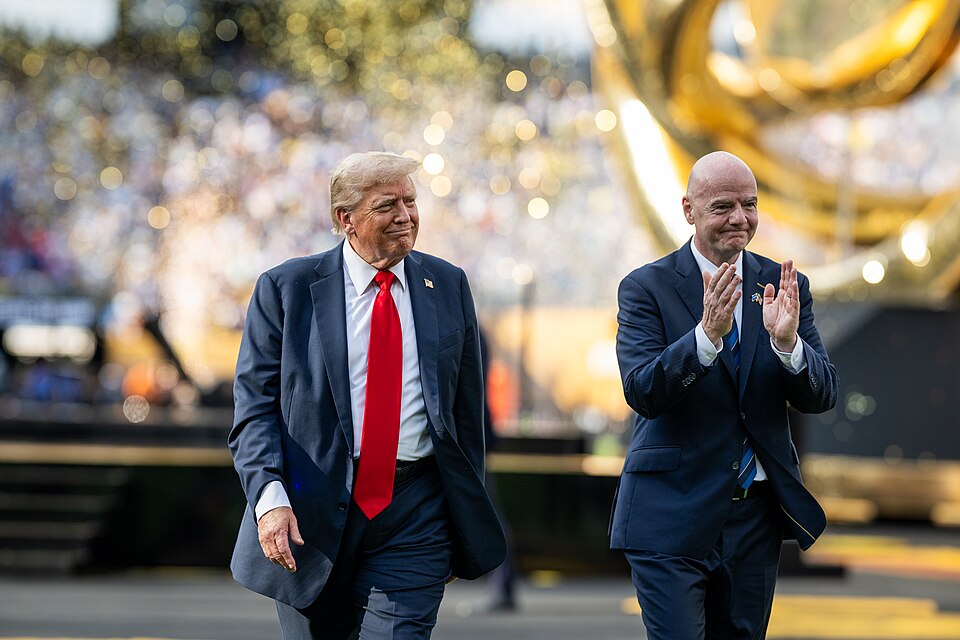
Trump’s public support for Gianni Infantino immediately increased attention on a dispute that was already causing tension inside global football. The FIFA president was facing criticism from several football bodies, but Trump’s intervention transformed the issue into a much larger political and international story.
Infantino has spent years presenting himself as a leader focused on growth and expansion. Since taking control of FIFA, he has promoted a vision of football that reaches more countries, creates more commercial opportunities, and increases FIFA’s influence around the world.
Supporters of Infantino argue that his approach has strengthened FIFA’s financial position. They point to expanded competitions, growing sponsorship interest, and efforts to make football more accessible in regions that have historically received less attention.
However, critics argue that financial growth alone does not determine successful leadership. They believe FIFA’s credibility depends on transparency, accountability, and cooperation between its leadership and the football organizations that represent different regions.
That tension explains why Trump’s support has created both attention and controversy. While his backing provides Infantino with a powerful public ally, it also places greater focus on questions surrounding FIFA’s independence and decision-making process.
The central issue is no longer only whether Infantino remains FIFA president. It is whether FIFA’s current leadership model can satisfy those demanding a different approach to governance.
The Commercial Deal That Turned Into a Leadership Crisis
The controversy surrounding Infantino began after a proposed commercial plan involving private investors and World Cup-related assets triggered strong opposition from football leaders. The proposal was intended to create new financial opportunities, but it quickly became a source of conflict.
Modern football has become one of the most valuable entertainment industries in the world. Television rights, sponsorship agreements, digital platforms, and global partnerships have transformed major tournaments into billion-dollar commercial events.
For FIFA, attracting investment represents an opportunity to expand revenue and increase funding for football development programs. More money could mean more resources for smaller football nations and greater investment in infrastructure.
But critics questioned whether the proposed approach could change the relationship between FIFA and private business interests. They argued that decisions involving the World Cup require careful consideration because the tournament represents more than a commercial product.
The backlash revealed a deeper disagreement about the future of football. One side views FIFA as a global organization that must embrace new business models to compete in a changing sports economy.
The other side believes FIFA must protect football’s traditional structures and ensure that commercial interests do not become more powerful than sporting priorities. The controversy became a leadership issue because it reflected broader concerns about how decisions are made at the highest level of the sport.
Why FIFA’s Trust Problem Has Returned
FIFA has spent years attempting to rebuild its reputation after previous controversies damaged confidence in the organization. Those moments created a lasting expectation that FIFA leaders must maintain stronger standards of transparency.
The current FIFA leadership crisis has revived some of those concerns. Critics argue that major decisions involving the future of football should involve wider consultation and clearer communication.
Infantino’s supporters believe his leadership has modernized FIFA and helped the organization become more financially successful. They argue that difficult decisions are sometimes necessary when managing a global institution with enormous responsibilities.
Critics respond that modernization cannot only be measured by revenue growth. They argue that a successful organization must also maintain trust among its members and supporters.
This disagreement reflects a larger challenge facing international sports organizations. As sports become more commercial, leaders must constantly balance business interests with public expectations.
Football supporters often see the sport as more than entertainment. Clubs and national teams represent history, identity, and culture for millions of people around the world.
That emotional connection makes governance decisions especially important. When fans believe financial priorities are becoming too dominant, confidence in leadership can quickly weaken.
The Trump and Infantino Relationship Under the Spotlight
Trump’s involvement has added a political dimension to the FIFA leadership crisis. The relationship between governments and international sports organizations has always been complicated because major tournaments involve diplomacy, security, economics, and national reputation.
The 2026 FIFA World Cup has increased attention on the relationship between American political leadership and FIFA officials. The tournament represents one of the largest sporting events ever hosted in North America, creating major economic and political interest.
Infantino has developed a highly visible relationship with Trump during preparations surrounding global football events. Supporters view this connection as useful cooperation between influential figures working toward a successful tournament.
Critics, however, question whether close relationships between political leaders and sports executives create concerns about independence.
FIFA has historically emphasized political neutrality. Maintaining that image is important because football brings together countries with different governments, cultures, and political systems.
The debate surrounding Trump’s support for Infantino highlights the challenge FIFA faces. The organization must work with governments while also convincing the football world that decisions are based on sporting principles rather than political relationships.
This issue is not unique to FIFA. Many international organizations face similar questions about how to cooperate with powerful political figures without losing institutional independence.
A Battle Over the Future Identity of Global Football

The FIFA leadership crisis represents a larger debate about what modern football should become. The sport has changed dramatically over recent decades, with increased television revenue, global sponsorships, and international investment reshaping the industry.
FIFA now operates in an environment where football is both a cultural institution and a massive commercial enterprise. Managing those competing identities has become one of the organization’s biggest challenges.
Infantino’s supporters believe FIFA must continue expanding if it wants to remain the most powerful organization in world sport. They argue that growth allows more countries and communities to benefit from football.
Opponents believe expansion must come with stronger safeguards. They argue that FIFA’s future depends on rebuilding trust and ensuring that important decisions receive broad support.
The disagreement reflects a fundamental question: should FIFA behave primarily like a global business organization or remain focused on protecting football’s traditional values?
There may not be an easy answer because both sides represent important parts of the modern game. Football needs financial strength to grow, but it also needs credibility to maintain the loyalty of supporters and stakeholders.
Why Trump’s Support Does Not End Infantino’s Fight
Although Trump’s backing provides Infantino with significant attention, it does not eliminate the challenges facing the FIFA president. The concerns raised by football organizations must still be addressed.
Leadership disputes inside international organizations are rarely solved through public endorsements alone. They require negotiations, institutional reforms, and efforts to rebuild confidence.
Infantino’s challenge is balancing the interests of different groups within football. FIFA must manage relationships with regional confederations, national associations, clubs, players, sponsors, and supporters.
Each group has different priorities. Sponsors want stability and growth. Football associations want influence and representation. Supporters want the sport protected from excessive commercialization.
The FIFA president must find a way to satisfy those competing expectations while maintaining his vision for the organization. The coming months will likely determine whether this crisis becomes a temporary disagreement or a defining moment in FIFA’s history.
The outcome could influence how international sports organizations approach leadership, investment, and governance for years.
The World Cup’s Future Depends on More Than Success on the Field
The importance of this dispute extends beyond FIFA headquarters. The organization’s decisions affect the future of football worldwide. The World Cup remains the most recognized sporting competition on the planet, attracting billions of viewers and creating opportunities for host nations, businesses, and communities.
However, the success of the tournament depends on more than ticket sales, television audiences, and commercial partnerships. It also depends on trust.
Fans want to believe that the sport they love is managed responsibly. Football associations want confidence that their voices matter. Players want assurance that the game’s future is shaped by principles as well as profits.
The FIFA leadership crisis has exposed the difficult balance between growth and accountability. Trump’s defense of Infantino has made the debate more visible, but the underlying questions existed before his intervention.
Who controls the future of football? How much influence should investors have? How can FIFA expand while maintaining credibility? Those questions will continue shaping the conversation around FIFA long after this leadership battle is resolved.
The future of global football will not only be determined by what happens in stadiums. It will also depend on the decisions made behind closed doors by those responsible for guiding the world’s most powerful sport.