Prepping for Outages: The Basic Food Supplies You Should Have Stocked in Case of Emergency
When the power goes out, the best emergency pantry is not necessarily the biggest one. It is the one filled with foods your household will actually eat and can use when the refrigerator, stove, or normal shopping routine is unavailable.
A practical reserve starts with at least three days of food, along with drinking water and a few basic tools. The federal guidance also makes an important point that can save shoppers money: specialized dehydrated emergency foods are not necessary. Ordinary groceries can do the job.
Ready-to-eat canned meat or fish
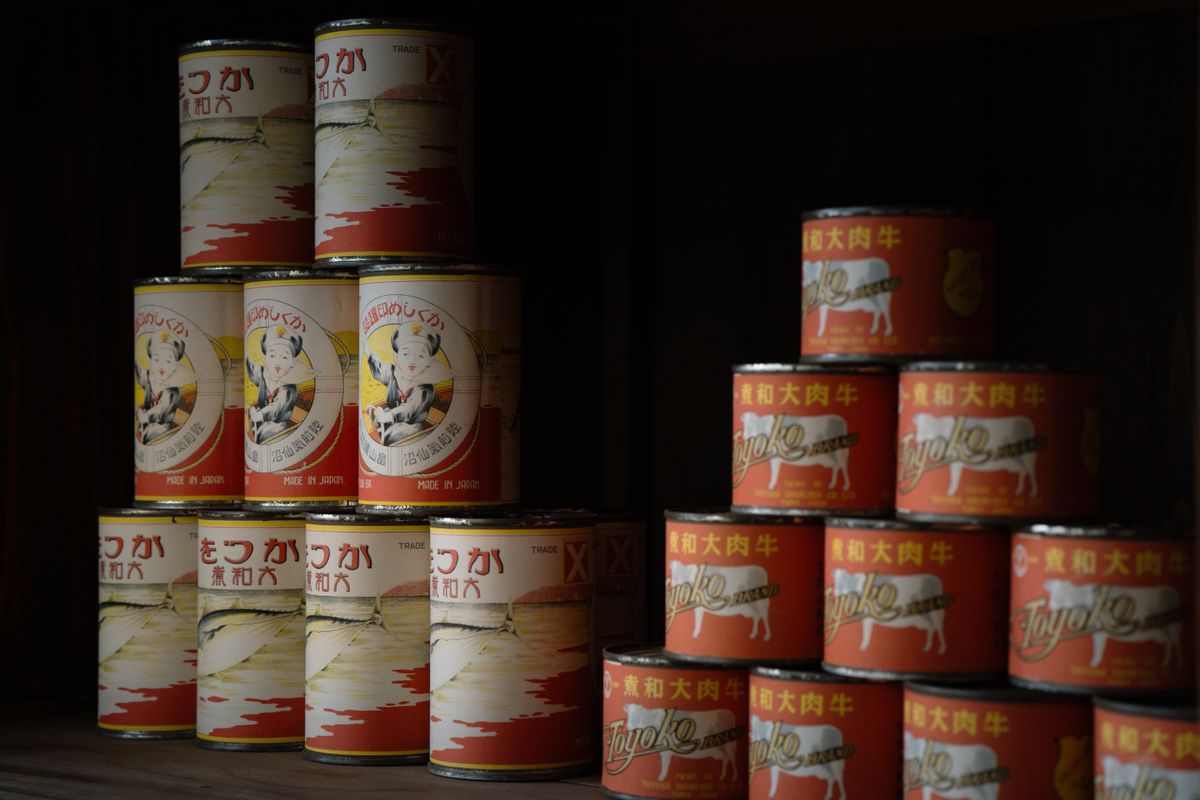
Canned meat and fish give a household something substantial to reach for when cooking is not practical. Canned tuna is specifically among the suggested emergency foods, and commercially canned products can be eaten without warming.
Look for pantry-stable cans rather than assuming every canned product belongs in the cupboard. Some canned foods still carry a “Keep Refrigerated” instruction, and cans without usable pull tabs require a manual opener.
Canned vegetables
Canned vegetables can turn a collection of emergency foods into something closer to a meal instead of leaving the pantry dominated by snack foods.
They also give households another way to add variety without depending on fresh produce remaining available. When choosing among canned options, it is worth paying attention to salt levels because heavily salted foods can increase the amount of drinking water needed.
Canned fruit
Canned fruit is useful for a simple reason: it can stay in the pantry and does not depend on refrigeration to remain part of the emergency food supply.
That makes it particularly practical when an outage lasts long enough for fresh foods in the refrigerator to become a concern. It also gives households an alternative to relying entirely on savory canned foods.
Peanut butter
Peanut butter is one of the more versatile pantry choices because it can be eaten as-is and does not require a stove to become useful.
It is not a universal choice for every household, though. Allergies and the family’s dietary needs should determine whether it belongs in the emergency supply.
Protein or fruit bars
Bars are easy to keep in an emergency supply and can provide something ready to eat when preparing a normal breakfast or lunch is difficult.
They are best viewed as one convenient part of the pantry rather than the entire food plan. Ingredients and suitability vary, so households should choose options that fit the people who will actually be eating them.
Dry cereal or granola
Dry cereal and granola can make breakfast considerably simpler during an outage. There is no need to heat them, and the household does not have to depend on refrigerated milk to use them.
That makes them a particularly straightforward choice for families that want at least one familiar breakfast option in the emergency pantry.
Dried fruit
Dried fruit takes up a useful place between snack food and pantry staple. It can be stored without refrigeration and eaten without preparation.
For a household building a several-day supply, it also provides another option alongside canned fruit, cereal, and packaged bars rather than forcing everyone to eat the same few foods repeatedly.
Shelf-stable milk
Shelf-stable pasteurized milk can be useful for households that want a milk option without relying on the refrigerator during an outage.
It should not be confused with ordinary refrigerated milk. The package instructions determine how the product should be stored and handled after opening.
Shelf-stable canned juice
Canned juice can add another beverage option to the pantry and give the household some variety.
But it should not be counted as the household’s emergency water supply. Water planning needs to be handled separately, because juice does not replace the recommended reserve of water for drinking and sanitation.
Infant food and formula, when needed
Families with infants have a separate set of food-storage considerations. Infant food belongs in the household’s emergency planning when it is needed, rather than being treated as an optional extra.
Ready.gov specifically recommends ready-to-feed formula during an emergency. Unlike powdered formula, it does not require water to be added, although the product’s own feeding and storage instructions still apply.
Familiar comfort foods
An emergency pantry does not have to be built entirely around what looks practical on paper. Familiar comfort foods can make the supply more usable because the household is more likely to actually want and eat the foods it has stored.
They are an addition to the basic food supply, not a replacement for the broader food and water reserve.
Food and water for pets
Pets and service animals need their own place in the emergency plan. Their food and water should be provided in addition to the supplies intended for the people in the household.
Planning for them ahead of time also means their needs do not have to be addressed only after normal shopping becomes difficult.
Don’t forget the water
Food gets most of the attention when people build an emergency pantry, but water requires its own calculation. The baseline is at least one gallon per person per day for several days, covering drinking and sanitation.
For a four-person household using the three-day baseline, that means at least 12 gallons. Pets require additional water, and the guidance calls for considering more in hot climates, during pregnancy, and when someone is sick.
Some pantry staples are better as extras
Rice, pasta, and dried beans can certainly have a place in a household pantry, but they are not the easiest foods to depend on when electricity, cooking equipment, or safe water may be unavailable. They require more preparation than the ready-to-eat foods that form the core of an outage supply.
Frozen food presents another problem. Once the power fails, its usefulness depends on how long the freezer stays cold and what temperature the food actually reaches.
Equipment that makes the food supply usable
A pantry full of cans is not much help if nobody can open them. Keep a manual can opener, along with basic plates, cups, and utensils, with the emergency supplies.
An appliance thermometer is equally useful. The refrigerator should be kept at 40°F (4°C) or below, while the freezer should be at 0°F (-18°C) or below. Coolers, ice, and frozen gel packs can help preserve cold storage if an outage lasts longer than four hours.
Know what happens to refrigerated food
The refrigerator has a limited amount of time to keep perishables cold after the electricity stops. With the door closed, it will generally stay cold for about four hours.
That four-hour figure is not permission to leave food sitting at room temperature. Perishable food exposed to temperatures above 40°F (4°C) for two hours or more should be discarded. If the surrounding temperature is above 90°F (32°C), the limit is one hour. After four hours without power, refrigerated perishables such as meat, poultry, fish, eggs, and leftovers generally need to be discarded unless reliable temperature information shows they remained cold enough.
The freezer gives you more time. A full freezer can hold its temperature for about 48 hours, while a half-full freezer can hold it for about 24 hours when the door remains closed. Food that still contains ice crystals or is at 40°F (4°C) or below can generally be refrozen or cooked.
Never taste food to decide whether it is safe after an outage. Smell and appearance alone cannot reliably answer that question.
Store the supplies properly and rotate them
Emergency food should be kept in a cool, dry, dark location, with FoodSafety.gov identifying 40°F to 70°F (4°C to 21°C) as an ideal range for canned and dried foods. Keep supplies away from heat sources, petroleum products, rodents, insects, and possible floodwater.
Check package dates and use older supplies before they expire rather than letting emergency food sit untouched for years. Household-filled stored water should be replaced every six months, while commercially bottled water follows its own package dating.
Keep emergency cooking equipment outdoors
If cooking becomes necessary, charcoal grills and camp stoves belong outdoors. A pantry built around ready-to-eat foods reduces how much a household has to depend on emergency cooking equipment in the first place.
The smartest emergency supply is not the one with the most food. It is the one that gives a household several days of familiar choices, enough water, the basic tools to use them, and a clear plan for protecting or discarding refrigerated and frozen food when the power goes out.