7 Reasons Meal Prep Can Make Your Refrigerator Harder to Organize
Meal prepping sounds like the perfect way to get ahead of a busy week. You cook several meals, pack everything into containers, and look forward to spending less time in the kitchen. Then you open your refrigerator and realize there’s barely enough room for the milk.
The problem isn’t necessarily meal prep itself. Sometimes, the way you prepare, package, and store food creates more clutter than expected.
Before giving up on your weekly cooking routine, consider these seven common mistakes that can turn an organized refrigerator into a frustrating game of Tetris.
You’re Preparing More Food Than Your Refrigerator Can Hold
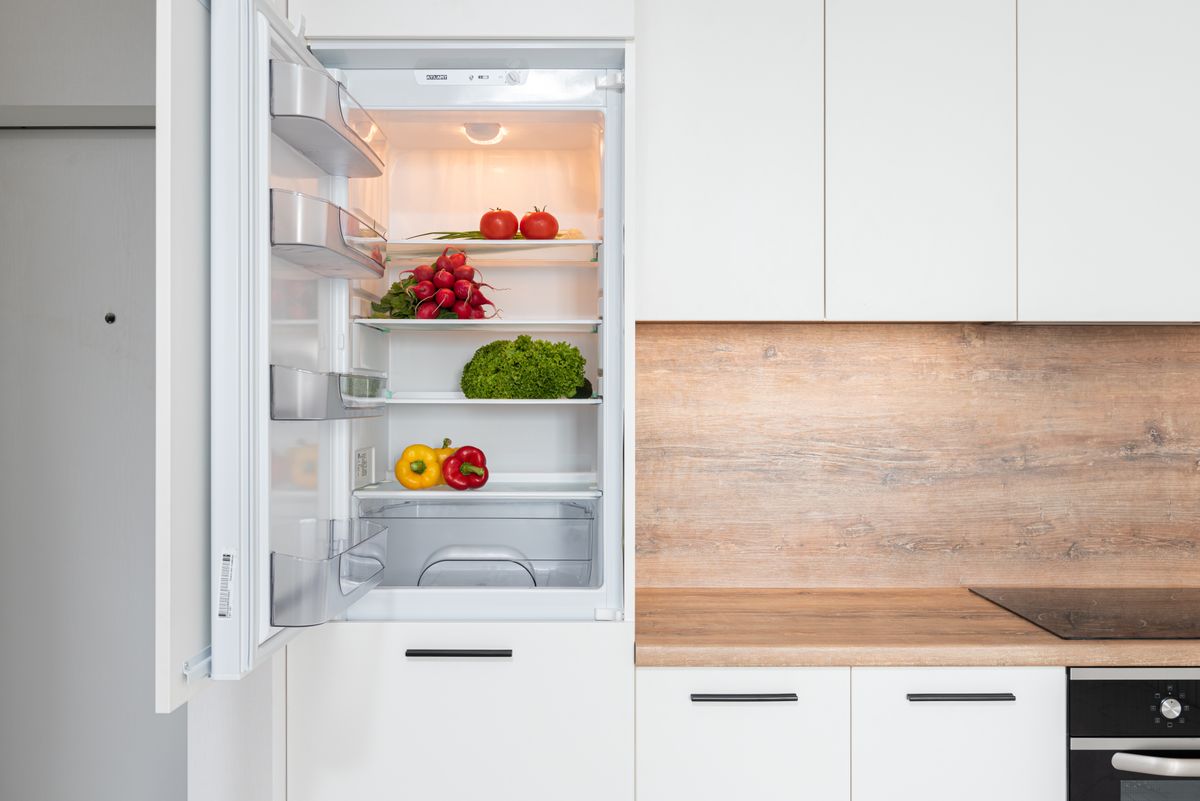
Cooking several meals at once feels productive until you start finding places to store everything.
A large batch of pasta, multiple lunch portions, and containers of chopped vegetables might fit perfectly into your meal plan. Unfortunately, your refrigerator still needs room for everyday groceries, drinks, and other essentials.
Suddenly, you’re rearranging shelves just to squeeze everything inside.
Try this instead: Check your available refrigerator space before deciding how much to cook. Think about how many containers will actually fit alongside your regular groceries.
Remember that packing a refrigerator too tightly isn’t recommended. FoodSafety.gov advises leaving enough space for cold air to circulate around stored food.
Your Food Containers Don’t Fit Together
That collection of food containers you’ve accumulated over the years might be making refrigerator organization more complicated.
One container is tall and narrow, another is wide and shallow, and several have lids that stick out awkwardly. Individually, they’re useful. Together, they can be difficult to arrange.
You might end up with empty gaps between containers while struggling to find a suitable spot for another prepared meal.
Try this instead: Choose containers with compatible shapes and sizes whenever practical. You don’t need to replace everything you own. Simply identify which existing containers fit together comfortably.
Also, consider the food you’re storing. The USDA recommends shallow containers to help cooked leftovers cool quickly.
The goal is to make storage easier without letting convenience interfere with proper food handling.
Related: 7 Foods You Should Never Store in the Fridge Door, According to Food Safety Experts
You’re Buying Groceries Without Checking What You Already Have
Picture this: You’ve planned three meals featuring bell peppers, so you add them to your shopping list.
After returning home, you discover several peppers hiding behind other groceries.
Now you’ve got more ingredients competing for the same limited refrigerator space.
This can happen when meal planning begins with recipe ideas rather than a quick inventory of what’s already available.
Try this instead: Open your refrigerator and pantry before creating your shopping list.
Look for ingredients you can incorporate into upcoming meals. Maybe those vegetables could become part of tomorrow’s stir-fry instead of buying another batch.
FoodSafety.gov specifically recommends checking existing supplies before shopping to avoid purchasing unnecessary duplicates.
It’s a small habit that can prevent your refrigerator from becoming unnecessarily crowded.
You’re Not Labeling Your Prepared Meals
Three containers of rice dishes might look surprisingly similar once they’re packed away.
Was that Tuesday’s lunch or Wednesday’s dinner? Which container holds the pasta sauce? And when exactly did you cook that soup?
When prepared meals aren’t clearly identified, finding the right food becomes an unnecessary guessing game.
You may even find yourself opening several containers before locating what you wanted. Try this instead: Label prepared meals with their contents and preparation dates.
A small piece of tape and a marker can do the job. You don’t need an elaborate labeling system.
Washington State University Extension recommends dating leftovers to make it easier to keep track of stored food.
Clear labels won’t replace proper storage practices, but they can make your refrigerator much easier to navigate.
You’re Stacking Containers Where They Hide Other Food
Stacking containers can be a clever way to use refrigerator space. The trouble starts when those stacks block everything behind them.
You might have a perfectly arranged tower of lunch containers sitting directly in front of yogurt, vegetables, or another meal you intended to use.
The food hasn’t disappeared, but it’s no longer easy to spot or reach. Before long, you’re moving several containers just to retrieve one ingredient.
Try this instead: Arrange containers so frequently used items remain accessible, and labels are easy to read. Keep older food visible rather than consistently pushing it behind newer additions.
Washington State University Extension also suggests creating a designated “Use First” area for food that should be prioritized.
A refrigerator doesn’t need perfectly arranged shelves. It needs an arrangement that works when you’re actually looking for something.
Related: The Lettuce in Our Refrigerators Could Make Us Sick as Cyclospora Outbreak Spreads
You Haven’t Decided Where Your Prepared Meals Belong
Finishing a meal-prep session without planning storage space can create an unexpected problem.
You begin placing containers wherever they’ll fit. Two go beside the milk, another ends up behind the vegetables, and the remaining portions are scattered across different shelves.
Everything technically has a home, but finding your prepared meals becomes unnecessarily complicated.
Try this instead: Reserve a suitable refrigerator section for prepared meals before you begin cooking.
Depending on your refrigerator, that might mean part of a shelf or a designated section shared with other groceries.
Keep the arrangement flexible enough to accommodate changing household needs.
You should also maintain appropriate storage temperatures. The USDA recommends keeping refrigerators at 40°F or below.
Having a regular location for meal-prep containers makes putting food away and finding it later much simpler.
You’re Making New Meals Before Finishing Old Ones
It’s Sunday again, and you’re excited to prepare another round of lunches and dinners. There’s just one problem: Last week’s plans changed, and several cooked meals are still sitting in the refrigerator.
Adding another batch without reviewing those leftovers can quickly fill the available shelves. It’s an easy situation to overlook, especially when your weekly meal-prep routine has become automatic.
Try this instead: Review existing cooked meals before starting another cooking session. Plan to use suitable leftovers first, and adjust how much new food you prepare.
For food intended for later, freezing may be a better option than keeping everything refrigerated.
According to USDA food-storage guidance, most cooked leftovers should be refrigerated within two hours, or one hour above 90°F, and used within three to four days or frozen for longer storage.
That means preparing an entire week’s meals doesn’t necessarily mean every portion belongs in the refrigerator all week.
Make Meal Prep Work With Your Refrigerator
Meal prep should simplify your week, not make opening the refrigerator feel like solving a puzzle.
A little planning before shopping, cooking, and storing food can make a noticeable difference. Start with the containers you already have, give prepared meals a sensible location, and check what’s waiting to be used before making more.
Sometimes, a better-organized refrigerator starts with preparing a little less and planning a little smarter.