Red Lobster’s Young CEO Is Betting on Biscuits, Nostalgia, and AI to Save the Chain After Bankruptcy
Red Lobster is trying to turn one of the most embarrassing restaurant collapses in recent memory into a comeback story.
After bankruptcy, mass closures, leadership problems, and the infamous Endless Shrimp disaster, the seafood chain is no longer just fighting to survive. Under 37-year-old CEO Damola Adamolekun, Red Lobster is trying to win America back with a mix of familiar comfort and modern business tools.
That means Cheddar Bay biscuits remain sacred. Hush puppies are back. Popcorn shrimp has returned. Seafood boils are getting more attention. At the same time, Adamolekun wants artificial intelligence to help the company operate smarter behind the scenes.
It is an unusual combination: biscuits and algorithms, nostalgia and AI, family memories and financial discipline. But for Red Lobster, that may be the whole point.
The chain is not trying to become something completely different. It is trying to remind Americans why they loved it in the first place, while fixing the mistakes that nearly sank it.
A Beloved Chain That Nearly Lost Its Place
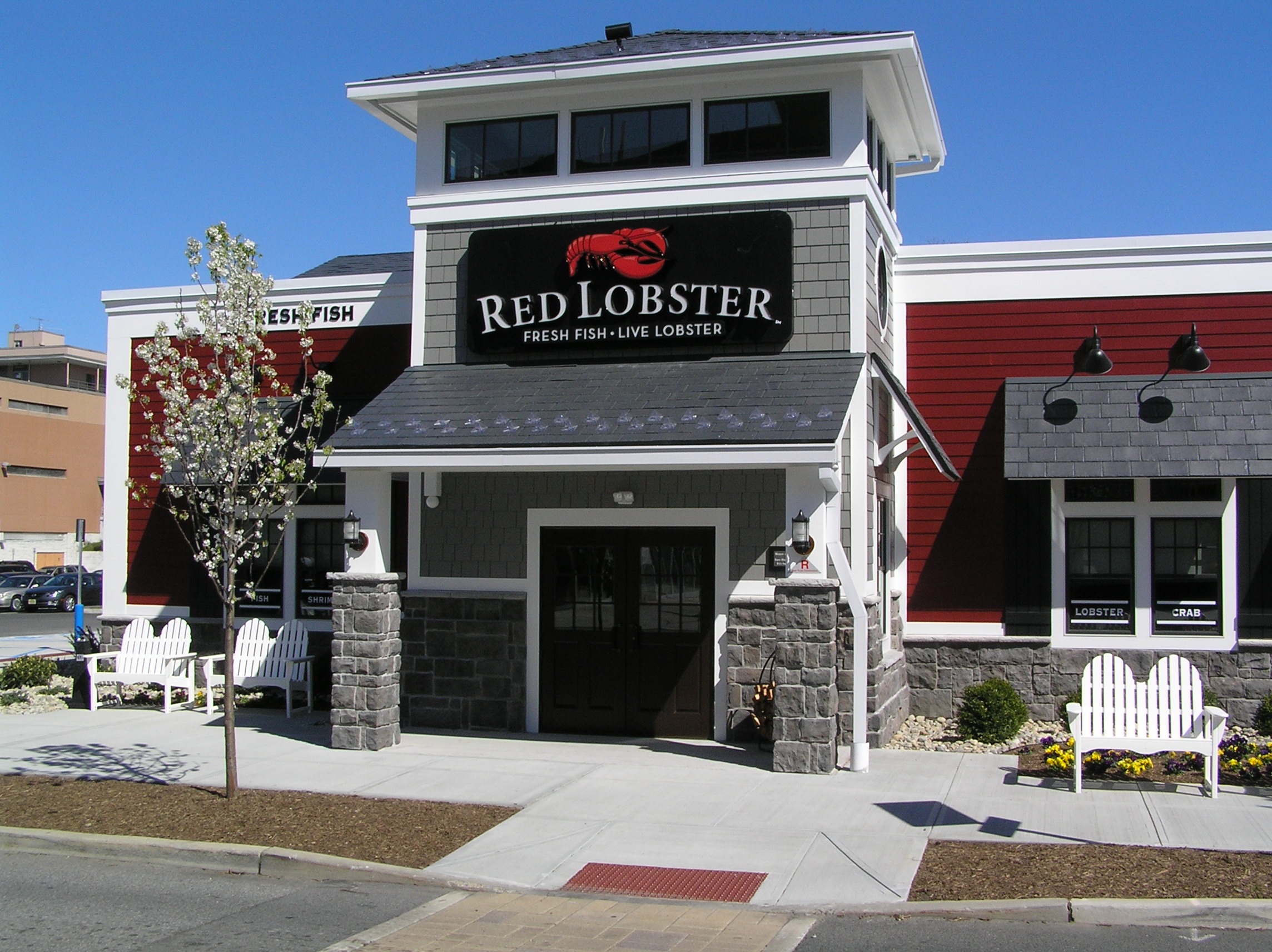
Anthony22 at English Wikipedia, CC BY-SA 3.0, via Wikimedia Commons Licensed Under Red Lobster restaurants in New York (state)
For decades, Red Lobster was more than a seafood restaurant. It was where families went for birthdays, graduations, date nights, Sunday lunches, and celebrations that felt special without becoming too expensive.
In many communities, especially far from the coast, Red Lobster made seafood feel accessible. Customers did not need to understand a fancy menu or live near the ocean. They could order shrimp, lobster, crab, pasta, biscuits, and a drink, and feel like the meal had a little ceremony to it.
That emotional connection is why the bankruptcy felt personal to many customers. Red Lobster was not just another casual dining chain in trouble. For some Americans, it was tied to childhood memories, family traditions, and the comfort of walking into a place that always felt familiar.
But memories do not fix bad business decisions. They do not pay rent, manage debt, control food costs, or rescue a promotion that becomes too expensive to sustain.
By 2024, Red Lobster’s problems had become impossible to ignore. The company closed many locations, filed for Chapter 11 bankruptcy, and became a warning sign for the restaurant industry. The Endless Shrimp promotion, once a fan favorite, became a symbol of how a popular deal can turn into a financial problem when the numbers no longer work.
That was the mess Adamolekun inherited.
A Young CEO With an Old Brand to Save
Adamolekun is young for a job this big, but he is not walking in without experience. He previously led P.F. Chang’s and has a background in private equity. Now he has taken over a brand that still has name recognition, but also carries the weight of public disappointment.
The most interesting part of his approach is that he seems to understand Red Lobster cannot be saved by spreadsheets alone.
Before officially taking the job, Adamolekun reportedly visited Red Lobster restaurants quietly to see what was happening inside the business. What he found was not a company completely drained of spirit. He saw employees who had stayed for years, even decades, and still cared about the brand.
That matters. A turnaround is almost impossible if the workers inside the restaurants have already stopped believing.
His challenge is now clear. Red Lobster has to convince customers that the food is worth coming back for. It has to convince workers that leadership has a real plan. And it has to convince the business world that bankruptcy was not the final chapter.
That is why the comeback talk feels bold. Once a CEO sells a revival story, every closed restaurant, late order, bad review, and disappointing customer experience becomes part of the judgment.
Nostalgia Is the Emotional Hook
The smartest part of Red Lobster’s comeback plan is nostalgia.
The company does not have to introduce itself to America. People already know the red sign, the seafood platters, and the warm biscuits. The task now is to remind customers why they cared.
Bringing back hush puppies and popcorn shrimp is not just a menu move. It is an emotional signal. These are the kinds of items people connect to old visits, family tables, and the version of Red Lobster that felt reliable.
The Cheddar Bay biscuits are even more important. Some restaurant items become bigger than the restaurant itself, and those biscuits are part of Red Lobster’s identity. Changing them too much would be like tampering with the brand’s memory.
Seafood boils, lobster rolls, happy-hour deals, and limited-time promotions also give the chain ways to feel fresh without abandoning its roots. The goal is not to erase old Red Lobster. The goal is to make old Red Lobster feel alive again.
That is a smart play in a restaurant world filled with viral pop-ups, delivery apps, ghost kitchens, and fast-changing food trends. Red Lobster has something many newer brands lack: millions of Americans already know it.
The comeback depends on turning that familiarity into another visit.
AI Could Fix What Nostalgia Cannot

The surprising part of the strategy is the push toward AI.
For Red Lobster, artificial intelligence does not need to mean robot waiters or a cold, futuristic dining room. Its biggest value may be behind the scenes: forecasting demand, improving inventory, understanding customer behavior, planning staffing, supporting marketing, and helping restaurants make better decisions.
That matters because nostalgia alone cannot save a restaurant chain.
Customers may love the biscuits, but if service is slow, food quality is uneven, prices feel too high, or promotions lose money, the emotional story falls apart. A comeback needs more than warm memories. It needs discipline.
That is where AI could help Red Lobster avoid repeating old mistakes. A national restaurant chain has to know what customers want, what each location needs, and how to control costs without making the experience feel cheap.
The risk is that technology must support hospitality, not replace it. Red Lobster’s appeal has never been that it feels high-tech. It was always about comfort, portions, service, and the feeling of being taken care of.
If AI helps deliver that better, it becomes useful. If it makes the restaurant feel colder, customers will notice.
The Comeback Still Has to Work at the Table
Red Lobster has one big advantage: Americans love a comeback.
They like seeing a familiar brand get knocked down, admit mistakes, and fight back. They like the idea that a restaurant people mocked during bankruptcy could still have another act.
But restaurant comebacks are not won in interviews. They are won at the table.
The food has to be hot. The service has to be steady. The prices have to feel fair. The portions have to make sense. The restaurants have to look cared for. And the company has to avoid the kind of reckless promotion that helped turn Endless Shrimp from a customer favorite into a business headache.
Adamolekun’s plan has the right ingredients on paper: nostalgia to bring people back, AI to improve operations, classic menu items to rebuild trust, and enough attention to make Red Lobster feel relevant again.
Still, the real test will be whether customers believe the comeback after the first visit.
A company can sell the dream of revival once. After that, the plate has to do the talking.
Red Lobster is trying to claw its way back into America’s dining routine with biscuits, seafood, memory, technology, and a young CEO who knows the brand still means something to people. The bankruptcy bruised the chain’s reputation, but it did not erase the emotional connection many Americans still have with those red signs and warm baskets of biscuits.
That is why this comeback is more than a business story. It is a test of whether an old American restaurant brand can survive the modern restaurant world by remembering what made people love it, while finally learning from what nearly sank it.