Senators Push Back After Trump Suggests Canada Should Pay for U.S. Wildfire Smoke
When wildfire smoke crossed the U.S.-Canada border and turned skies hazy across parts of the United States, the issue quickly became more than an environmental concern.
It became a political fight.
President Donald Trump’s suggestion that Canada should pay damages or face additional tariffs over wildfire smoke affecting American communities has sparked criticism from several U.S. senators, including members of both political parties who questioned whether Canada could realistically be held responsible for smoke carried by the weather.
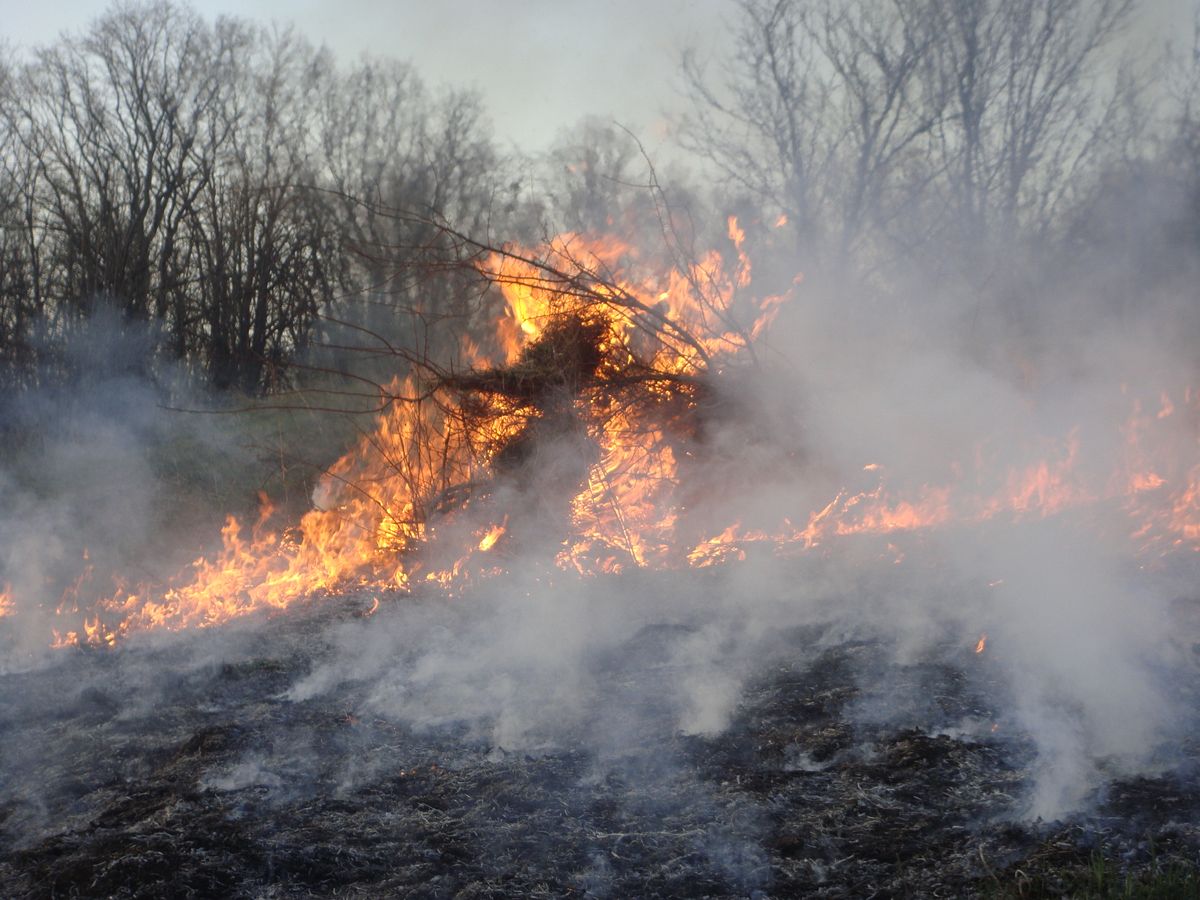
The comments came as smoke from Canadian wildfires affected air quality in parts of the United States, including areas around the Great Lakes, Midwest and Northeast. Trump argued that Canada should face consequences over what he described as harmful pollution entering the U.S.
But several lawmakers pushed back, saying wildfire smoke is a complex issue involving weather patterns, forest conditions and natural forces that cross national borders.
Trump Suggests Canada Should Pay for Smoke Crossing the Border
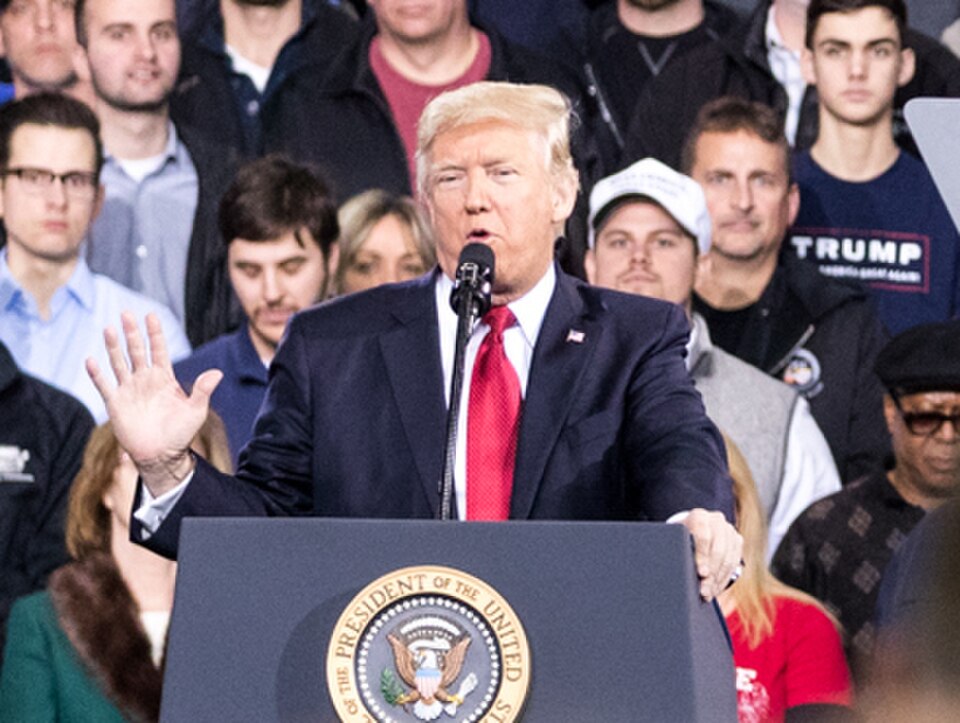
Trump raised the idea of seeking compensation from Canada after criticizing the impact of Canadian wildfires on U.S. air quality.
Speaking about the smoke affecting American cities, Trump said Canada should take responsibility and suggested possible financial penalties, including tariffs or damages.
The comments came during a period when wildfire smoke from Canada had spread into several U.S. states, creating air quality concerns and prompting discussions about the challenges of managing large-scale fires.
Trump has argued that Canada’s forest management practices contributed to the severity of the wildfire situation. He has also framed the issue as one of accountability between neighboring countries.
The proposal immediately drew questions from lawmakers about how such a payment system would work and whether one country could realistically be held financially responsible for smoke carried by wind patterns.
Senators From Both Parties Question the Idea
Several senators rejected the idea that Canada should be charged for wildfire smoke reaching the United States.
Sen. Tammy Duckworth, D-Ill., called the proposal “ridiculous” in an interview with Fox News Digital.
“Nobody can control the direction of the wind,” Sen. Peter Welch, D-Vt., said when responding to the idea. He added that wildfire smoke movement is influenced by weather conditions beyond any government’s control.
Sen. Gary Peters, D-Mich., also pushed back against blaming Canada alone, saying, “I don’t think the Canadians want those fires any more than we do.”
The criticism was not limited to Democrats.
Sen. Roger Marshall, R-Kan., said both countries need to focus on forest management rather than simply assigning blame.
“I’m mostly just interested in active management of the forest, and America is just as guilty,” Marshall said. He argued that the U.S. and Canada both face challenges in preventing large wildfire outbreaks.
A Republican Senator Wants Action Against Canada
While several senators criticized Trump’s proposal, not all lawmakers dismissed the idea of holding Canada accountable.
Sen. Bernie Moreno, R-Ohio, has supported legislation aimed at responding to the effects of Canadian wildfire smoke on U.S. air quality.
According to reports, Moreno proposed measures that would require the administration to evaluate whether Canadian wildfires harmed U.S. air quality and consider actions against those responsible.
The proposal reflects a broader argument among some lawmakers that Canada should do more to prevent wildfire impacts from affecting neighboring countries.
However, other senators argue that multiple factors, including weather, climate conditions and natural events, influence wildfires.
Why Canadian Wildfire Smoke Reached U.S. Cities
Wildfire smoke does not stop at national borders. Smoke particles can travel hundreds or even thousands of miles depending on wind patterns and atmospheric conditions.
During major wildfire seasons, smoke from Canadian fires has repeatedly affected U.S. air quality, especially in northern states and regions near the Canadian border.
This year’s situation renewed concerns for residents who experienced poor air quality, outdoor activity restrictions and disruptions caused by smoky conditions.
The debate, however, has focused on whether cross-border smoke should be treated as a political responsibility or as a natural consequence of a shared environment.
Canada Pushes Back Against the Criticism
Canadian officials have rejected the idea that the country should be blamed for wildfire smoke affecting the United States.
Canadian Prime Minister Mark Carney has emphasized that wildfire challenges are not limited to one country and that both Canada and the United States have faced increasingly difficult fire seasons.
Canada has also provided firefighting assistance internationally, including cooperation with the United States during wildfire emergencies.
Sen. Patty Murray, D-Wash., highlighted that cooperation between the two countries has historically worked both ways, noting that Canadian firefighters have assisted U.S. wildfire responses.
The Bigger Debate Goes Beyond Tariffs
The dispute highlights a larger question about how countries respond when environmental problems cross borders.
Wildfires do not follow political boundaries. Smoke from fires can move across states and countries, creating challenges that are difficult for any single government to control.
Some lawmakers believe stronger forest management policies are needed on both sides of the border.
Others argue that focusing on tariffs or financial penalties does little to address the underlying causes of increasingly severe wildfire seasons.
For communities dealing with smoky skies and unhealthy air conditions, the immediate concern remains public safety.
For politicians in Washington and Ottawa, the issue has become another point of disagreement in the relationship between two closely connected neighbors.
A Cross-Border Problem With No Simple Solution
Trump’s proposal to seek payment from Canada over wildfire smoke has created a new political dispute, but senators from both parties have questioned whether such a response is practical.
While some lawmakers want Canada held accountable for the effects of wildfire smoke, others argue that wind, weather and natural disasters cannot easily be assigned to one country.
As wildfire seasons continue to challenge both nations, the debate over responsibility, prevention and cooperation is likely to continue.
For now, the smoke may have cleared in some areas, but the political storm surrounding it remains.