St. Louis Police Want More Drones in the Sky. The Mayor Says Residents Deserve Answers First
St. Louis is edging closer to a future in which police drones could be a routine presence over its neighborhoods, quietly launching into the sky the moment an emergency call comes in. For law enforcement, the vision is simple and powerful: faster response times, better visibility at chaotic scenes, and safer officers making decisions with real-time aerial intelligence.
But the conversation inside City Hall is far from settled. Mayor Cara Spencer is urging caution, arguing that residents deserve clear answers before any expansion of drone policing moves forward. Her position is not framed as opposition to technology itself, but as a demand for transparency in a moment where surveillance tools are rapidly becoming part of everyday policing across the United States.
At the center of the debate is a question that is growing louder in cities nationwide. When public safety becomes increasingly dependent on airborne technology, who gets to define the rules, and who gets to watch the watchers?
A Rapid Expansion of Aerial Policing Tools
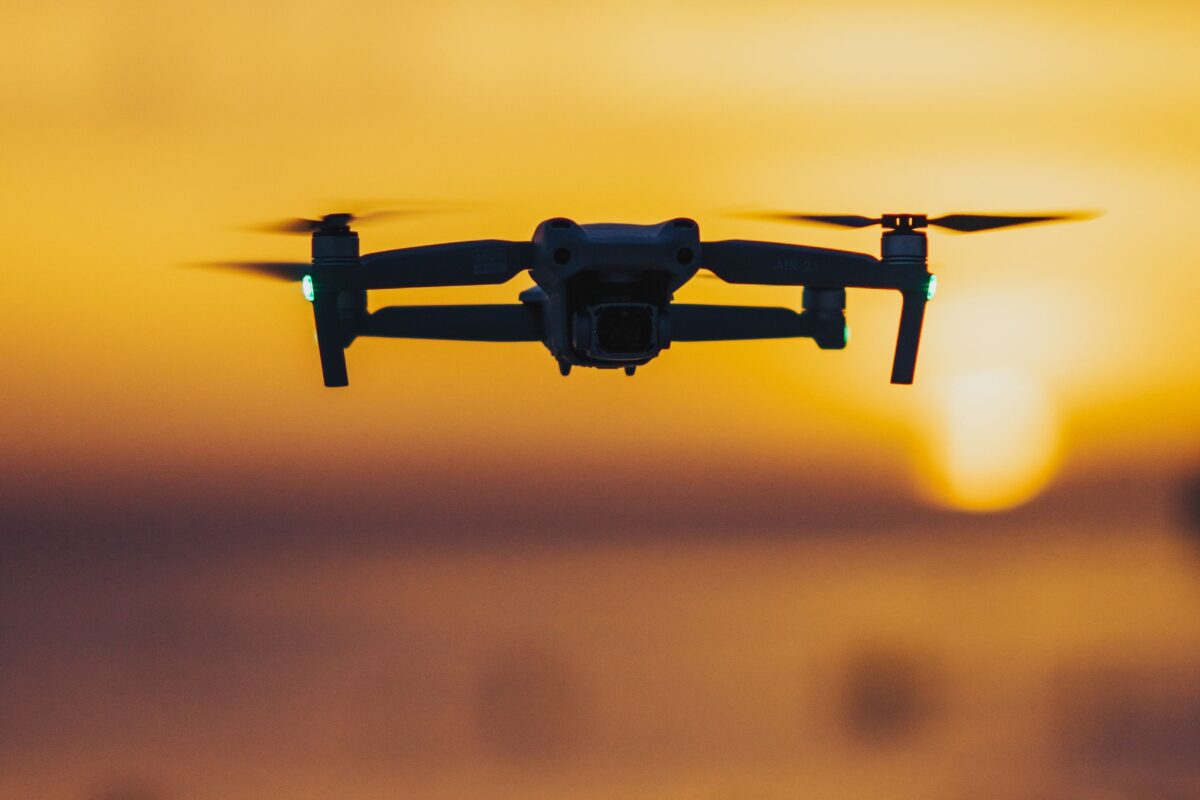
The push to expand drones in St. Louis reflects a broader national shift in policing strategy. Across the United States, law enforcement agencies are experimenting with Drone as First Responder programs, in which unmanned aircraft are stationed at fixed locations and automatically dispatched to 911 calls.
These systems are designed to arrive before officers on the ground, sometimes within minutes, providing live video feeds of unfolding situations. In cities that have adopted similar programs, drones have been used to assess car accidents, locate missing persons, monitor large public gatherings, and observe potentially dangerous scenes before officers enter.
Manufacturers such as BRINC Drones and other public safety technology firms have helped accelerate adoption by promoting systems that integrate directly with dispatch centers. The pitch is efficiency. A drone in the air can cover what would take officers several minutes to reach on the ground, especially in densely populated or high-traffic areas.
St. Louis police have signaled interest in expanding this capability beyond limited use, aiming for a more embedded system that could respond to emergencies citywide. That expansion is what has triggered political caution.
The Mayor’s Central Concern Is Not Just Technology
Mayor Cara Spencer’s hesitation is not centered on whether drones work. Instead, it focuses on whether the city has done enough to understand the consequences before scaling up its use.
Her concern reflects a growing tension in modern governance. Technology often moves faster than policy, and public safety tools tend to enter cities through pilot programs or donor-supported initiatives before long-term rules are fully written.
In St. Louis, the mayor’s office has emphasized the need for clarity around cost structures, operational limits, and oversight mechanisms. Even when initial funding comes from external sources or police foundations, long-term maintenance, staffing, software subscriptions, and data storage typically shift into public budgets.
That transition is where many cities encounter unexpected costs. What begins as a donated system can evolve into a permanent line item that requires ongoing investment and expansion.
Spencer’s message to residents is grounded in that reality. Before drones become part of the city skyline, the public should know what they are paying for, how deployment decisions are made, and what safeguards exist to prevent mission creep.
What Drone Policing Actually Looks Like on the Ground

Image credit: Petty Officer 2nd Class Celia Martin, via Wikimedia Commons
The concept of Drone as a first-responder policing tool is built around speed and situational awareness. When a 911 call is received, a drone stationed on a rooftop or docking station can launch automatically and fly to the scene. Operators at a control center receive live video within seconds.
In theory, this allows dispatchers and officers to determine whether a situation involves a real threat, a misunderstanding, or a false alarm. It can also help coordinate responses during high-risk incidents, such as active disturbances, searches for missing individuals, or reports of armed suspects.
Supporters argue that this reduces unnecessary police deployment and lowers risk for officers entering unpredictable environments. In some pilot programs across the country, departments have reported quicker scene assessments and improved resource allocation.
However, the same capabilities that make drones useful also raise difficult questions. Aerial surveillance can capture far more than a specific incident. It can record surrounding homes, bystanders, and entire neighborhoods in real time. Without strict policy limits, a tool designed for emergencies can easily expand its reach.
Privacy Concerns Are Driving Public Anxiety
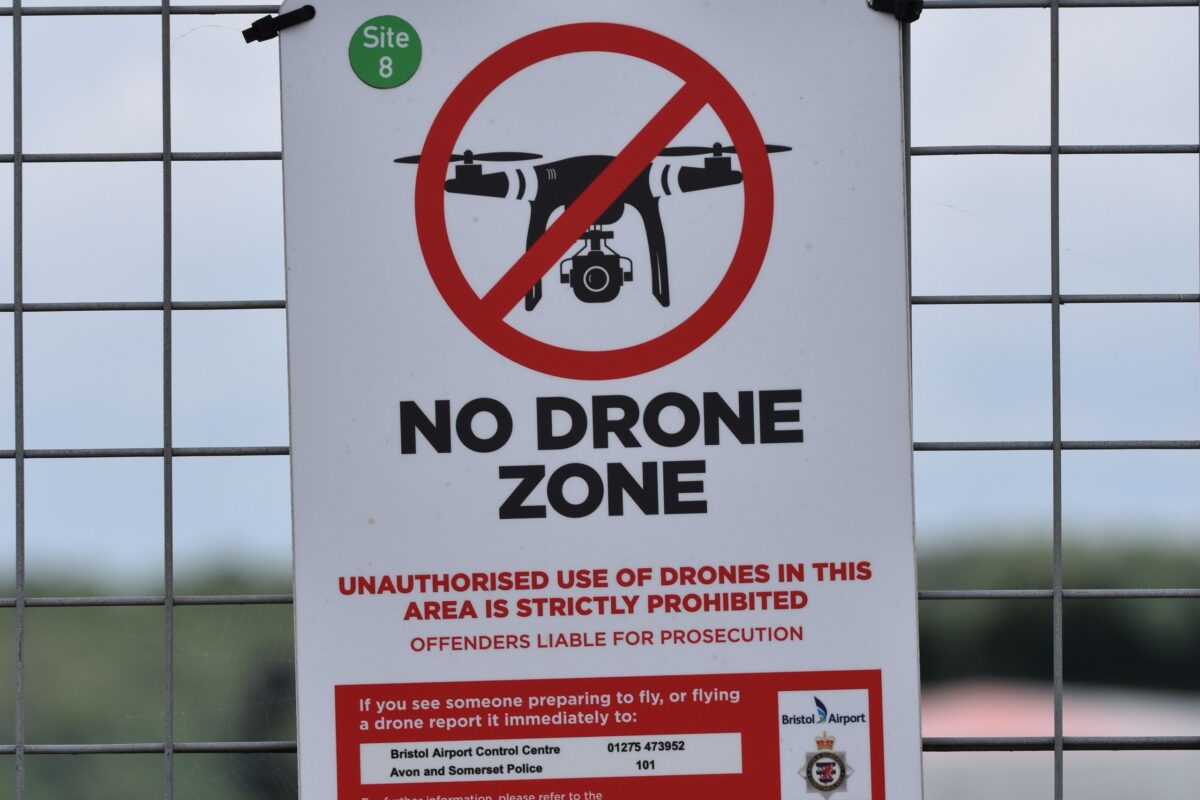
One of the strongest sources of public concern is privacy. Unlike traditional police cameras or body-worn devices, drones operate from above, creating a wide field of view that can include private yards, windows, and gatherings that were never intended for law enforcement scrutiny.
Civil liberties advocates across the country have warned that drone programs require strict guardrails before deployment becomes routine. These typically include limitations on when drones can fly, how long data is stored, who can access footage, and whether recordings can be shared with other agencies.
In cities where drone programs already operate, policies vary widely. Some departments restrict drone use to emergency calls only. Others allow broader deployment, including monitoring public events or supporting traffic enforcement.
This inconsistency is part of what makes St. Louis’ decision significant. Once a system is fully deployed, scaling it back is often politically and operationally difficult.
The Question of Cost and Control
Beyond privacy, cost remains a major point of uncertainty. While initial drone deployments are often supported through grants, partnerships, or police foundations, the long-term financial structure is less visible to the public.
Costs typically include equipment maintenance, software licensing, operator training, data storage systems, cybersecurity protections, and periodic hardware replacement. As programs expand, so do operational demands.
There is also the question of control. If private funding plays a role in launching or expanding drone systems, residents are left to consider how much influence outside donors might have over public safety priorities. Even when no direct interference exists, the perception of privatized policing tools can weaken public trust.
For city leadership, the challenge is balancing innovation with accountability. For residents, the expectation is straightforward. Public safety tools should remain fully under public oversight, regardless of how they are funded.
A National Trend with Local Consequences
St. Louis is not alone in facing this decision. Across the United States, cities are increasingly adopting aerial surveillance technology as part of broader efforts to modernize policing. From suburban departments to major metropolitan areas, drones are becoming a standard part of law enforcement toolkits.
Supporters often describe this shift as inevitable. They argue that if technology can improve response times and reduce officer risk, it should be adopted with appropriate safeguards.
Critics counter that the pace of adoption is outpacing public understanding. They warn that once surveillance infrastructure is normalized, it becomes harder for communities to question its expansion later.
This tension is now playing out in real time in St. Louis, where the debate is not just about whether drones should be used, but about how quickly they should be introduced and under what conditions.
What Happens Next Matters More Than the Launch
The decision facing St. Louis leaders is not simply about approving or rejecting drones. It is about defining the rules before the technology becomes embedded in daily policing.
Residents are being asked to consider a future where emergency response includes an aerial layer of observation that can arrive within minutes of a call. That future may offer clear benefits in speed and safety, but it also raises new questions about the boundaries of surveillance, data control, and public trust.
Mayor Spencer’s call for answers before expansion reflects a broader governance principle. Public safety systems gain legitimacy not only through effectiveness but through transparency and accountability.
As St. Louis weighs its next steps, the most important question may not be whether drones can improve policing. It may be whether the city has built enough trust to let them fly in the first place.
The sky above St. Louis is no longer just empty space. It is becoming a policy decision, a boundary in privacy, and a test of how modern cities balance innovation with the rights of the people who live beneath them.