Surveys suggest that people who sleep on the left side of the bed may have different habits than those who sleep on the right.
When it comes to choosing sides of the bed, the decision can become quite permanent. One person will take the left, the other the right, and pretty soon you find yourself in a situation where switching sides is as awkward as sleeping in a completely strange bed.
But could that little nightly preference tell us something about personality?
Several surveys have indicated that people who sleep on their left side may describe themselves differently than those who sleep on their right. Some surveys have found a link between left-side sleepers and a more optimistic disposition; others have found a link between right-side sleepers and different tastes in entertainment, and so on.
The concept is certainly fun. There’s just one caveat, though: the study is based entirely on self-reported surveys and provides no scientific proof that choosing one side of the bed affects your personality.
Still, the results give us a fascinating insight into how people think about sleep.
Left-Side Sleepers Were More Likely to Describe Themselves as Optimistic
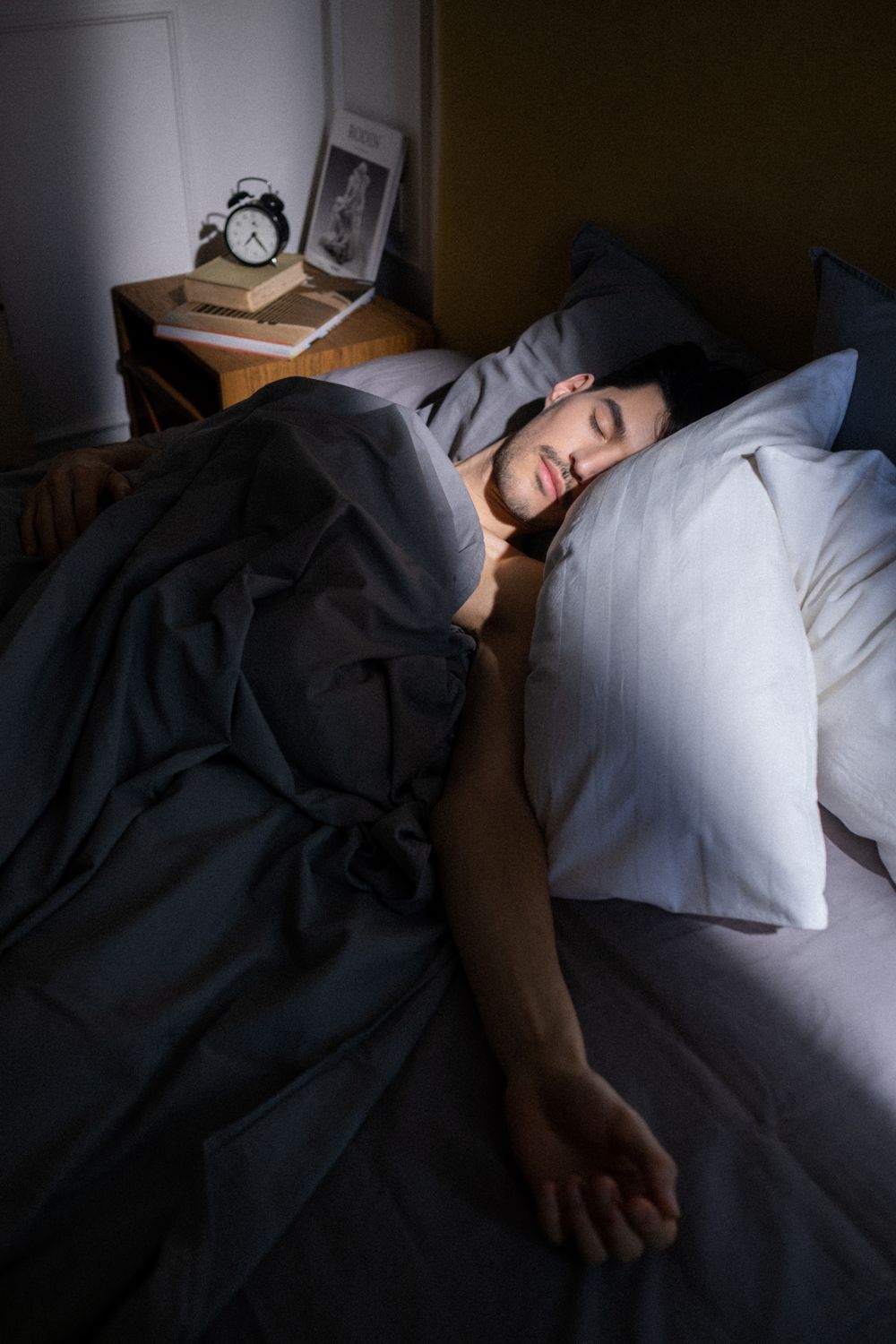
A 2022 survey by British Wool of 1500 people on their sleeping habits and attitudes.
As per the Independent’s report, 66% of those who slept on their left side described themselves as glass half full. For those who slept on their right side, the figure was 60%.
That’s a difference, but it doesn’t establish that left sleepers are in fact naturally more optimistic.
The survey was based on the participants’ own descriptions. It didn’t show that selecting the left side led to a more positive view of life or that those who slept on the right were less happy.
Nevertheless, it’s an interesting result for couples who have spent years on one side or the other.
Related: 7 Behaviors That Appear Romantic but Are Manipulative in Relationships
Right-Side Sleepers Reported Different Entertainment Preferences
A separate 2019 survey of 2000 Americans examined the link between bedside preferences and everyday habits.
The Fox News report found that left sleepers were more likely to prefer older music and older drama films. Right sleepers were more likely to prefer rock music and action films.
These differences make for an entertaining chat, but they shouldn’t be taken as personality tests.
The survey doesn’t establish that sleeping on one side makes you enjoy certain music or films. It just shows the differences between the people who responded.
Your film tastes are probably better understood by asking what you actually like to watch than by working out which side of the bed you’re on.
Many People Choose Their Side for Practical Reasons
Personality may not be the most compelling explanation as to why people stay on one side of the bed.
The 2019 American survey found that 40% of people picked their preferred side simply because it was easier to get out of bed from.
Another 31% said their partner preferred the other side and 25% said it was just a better view of the TV.
These are far more practical explanations.
Someone may choose the side of the room closest to the bedroom door, while another chooses the side nearest the bathroom or the window. You can quite easily end up with a routine where you stay in the same place. Changing places would break the routine.
In other words, a person’s preferred side has more to do with the bedroom layout and the way the house is arranged than with their personality.
Some People Become Surprisingly Attached to Their Side
Anyone who’s shared a bed for years will know this scenario.
One partner will go straight into bed and immediately head for their usual side even if the other side is just as comfortable. If they’re spending the night in a hotel, they’ll still quite instinctively go for the same side.
A 2020 Premier Inn survey of 3,000 adults found that many were reluctant to switch sides. The report also spoke of a very strong attachment to the sleeping arrangements you’re used to.
This doesn’t prove that people have some psychological need to stay on one particular side. Familiarity and routine are perfectly normal parts of everyday life.
For couples, it can become part of the house rules (unwritten) that one person has the left and one has the right, and neither one is going to go back on it.
The Personality Claims Are Not Strong Scientific Evidence
The biggest caveat is that surveys of bedside preferences aren’t a reliable indicator of personality.
The Sleep Foundation points out that there’s little scientific evidence that any particular sleeping position is linked to a particular personality. The research in this area has been hampered by small sample sizes, differing definitions, and findings that haven’t been consistently replicated.
There’s also a difference between choosing the left or right side of a shared mattress and sleeping on the left or right side of your own body.
The first is a bedroom preference. The second is a physical sleeping position.
Studies on body position during sleep generally look at sleep quality, movement, and the like. They don’t establish that those who sleep on their left side are one personality type and those who sleep on their right side are another.
That distinction is important because the two habits are frequently conflated in online discussions.
Your Partner’s Side of the Bed May Say More About Your Household Routine
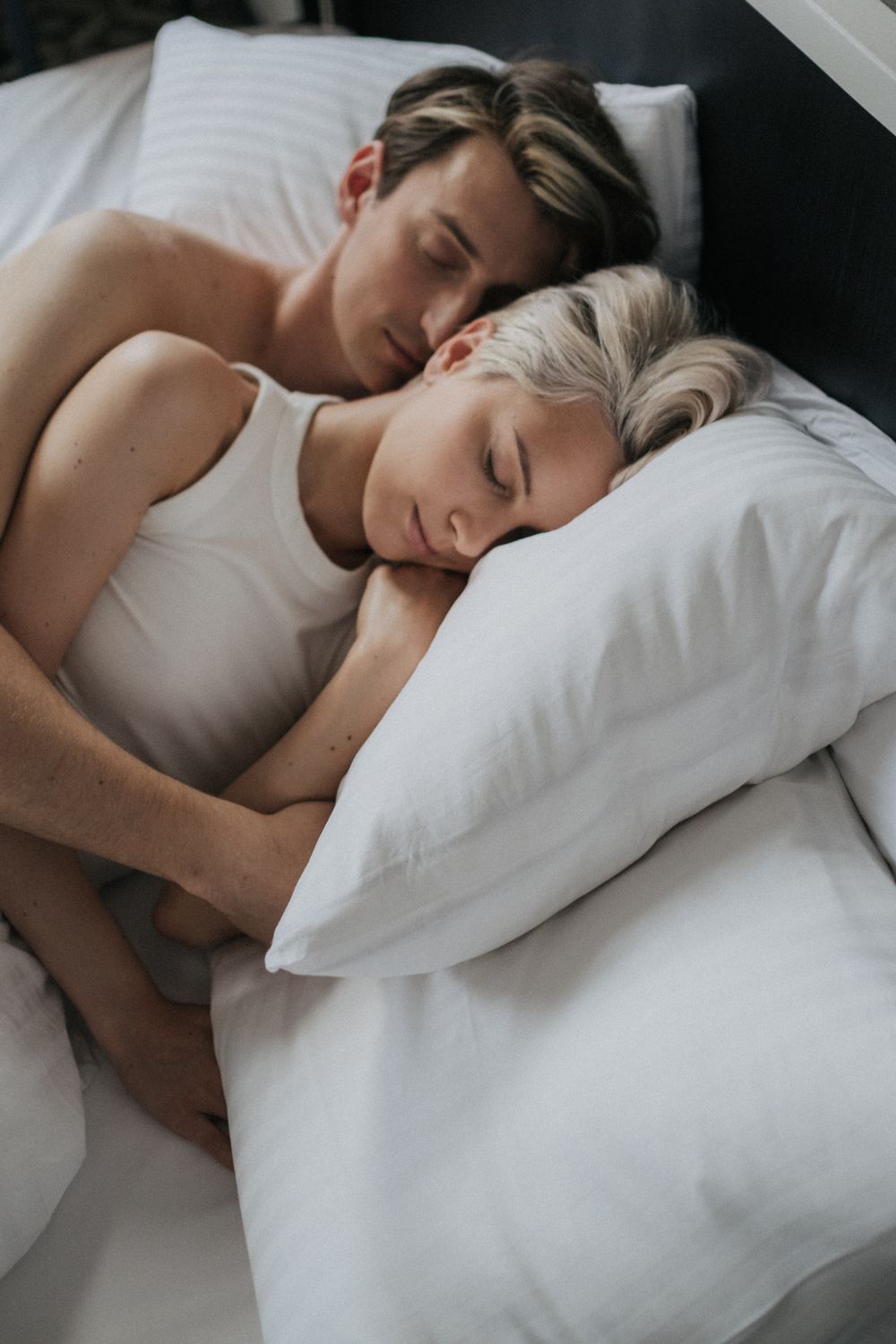
Another theory is that people tend to sleep together.
A couple may have agreed on their respective sides when they first moved in together (one wanted to be closer to the door, the other to the bedside table).
Over time, those practical decisions can become habits. This also accounts for why someone might keep the same side even when they’ve moved into a different house. The same side feels more natural. You don’t need to attach a personality label to every preference. A routine is just a routine.st a routine.
Related: 7 Signs You’re Settling for the Wrong Partner
The Fun Question Is Whether You Recognize Yourself in the Findings
The survey results are interesting because they give couples something lighthearted to discuss.
A left-side sleeper might proudly claim to be the optimistic one. A right-side sleeper might disagree and point out that their partner complains about getting up early.
But the findings shouldn’t be a reason to judge someone. A person’s character cannot be reliably determined by their position on a mattress.
The more interesting question may be how couples develop these little habits and why they become so difficult to change.
After all, some people will happily change their bedroom furniture, mattress, or entire house, but ask them to switch sides of the bed and suddenly negotiations begin.
Which side of the bed do you sleep on: left or right? And if someone asked you to switch tonight, would you agree or insist on keeping your usual side?