10 Political Shows That Make Real Government Look Even Worse
Politics already feels exhausting before television gets involved. The speeches, scandals, leaks, media spin, backroom favors, broken promises, and emergency briefings can make public life feel like a scripted drama that forgot to end. That is exactly why political TV shows keep pulling viewers in.
The best political dramas do more than entertain. They expose how power behaves when cameras leave the room. Some shows turn Washington into a comedy of ego and incompetence. Others turn government into a battlefield where truth, loyalty, security, and ambition collide. These are the political shows that hit too close to real life because they understand one uncomfortable truth: power rarely looks clean from the inside.
Veep Shows Politics as a Brutal Game of Ego
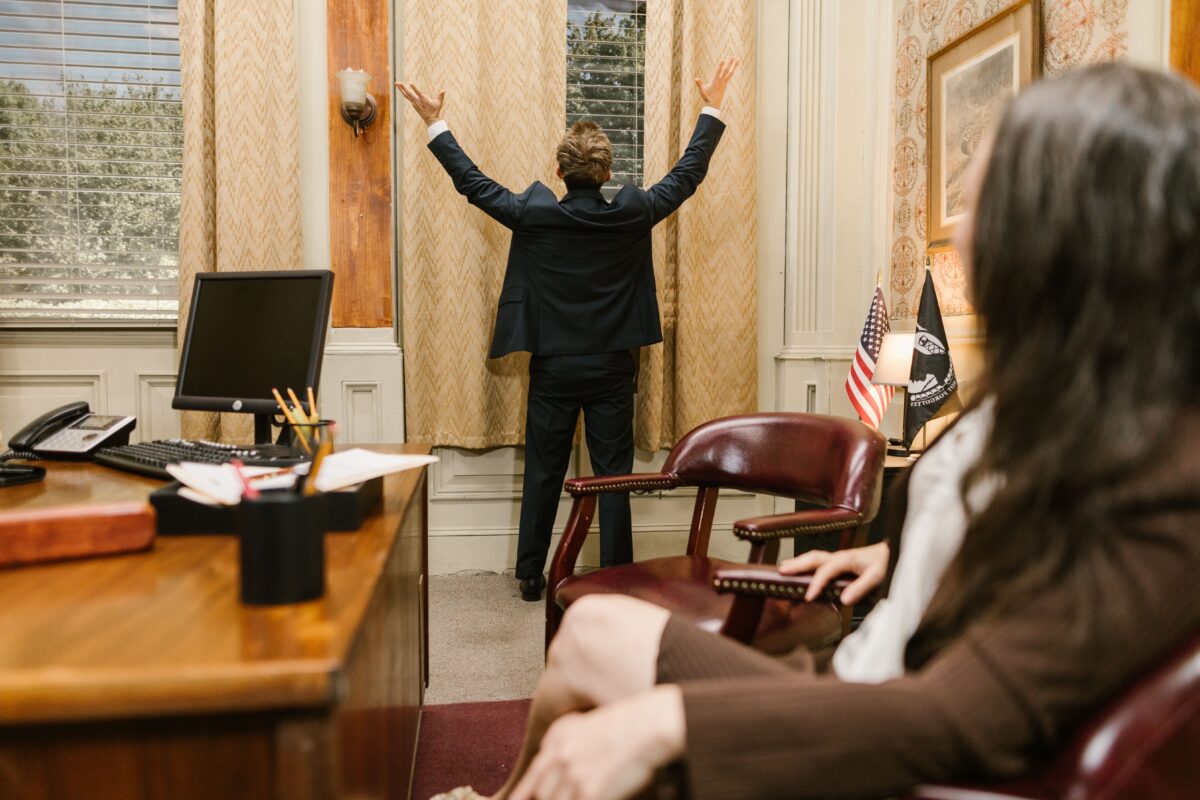
Veep remains one of the sharpest political comedies because it strips public service down to vanity, damage control, and survival. Selina Meyer wants power, respect, legacy, and applause, but the show keeps showing how quickly those goals turn into panic. Every meeting feels like a scramble to fix a problem created by someone trying to look important.
What makes Veep sting is its lack of romance about government. There are no grand speeches saving the country every week. There are staffers chasing headlines, politicians dodging blame, and decisions made because someone needs a win before the next news cycle. It is funny because it is exaggerated, but it feels uncomfortable because the exaggeration never feels impossible.
House of Cards Turns Ambition Into a Warning Sign
House of Cards made political ruthlessness feel stylish, cold, and terrifying. Frank Underwood does not simply want influence. He wants control, revenge, and obedience. The show turns Washington into a chessboard where loyalty is temporary, and morality is treated like a weakness.
The darker appeal of the series comes from how it exposes ambition without shame. Every favor has a price. Every alliance can collapse. Every public statement hides a private calculation. That may be extreme television, but the emotional truth feels familiar to viewers who already suspect that political power often rewards the people most willing to bend rules.
Scandal Makes Washington Look Like a Coverup Machine

Scandal understands the modern obsession with image. Olivia Pope is not just solving problems. She is managing public perception, burying disasters, protecting reputations, and cleaning up messes before they destroy powerful people. The show makes politics feel less like leadership and more like crisis branding.
Its real-world bite comes from the idea that truth rarely arrives untouched. In Scandal, every controversy passes through handlers, lawyers, media teams, fixers, and political allies before the public sees it. The show may lean into soap opera intensity, but its core question remains sharp: how much of what citizens hear has already been polished, softened, or twisted?
Succession Exposes the Media Power Behind Politics
Succession is not a traditional political drama, yet it belongs in any serious conversation about power. The Roy family controls a media empire, giving them influence that extends far beyond boardrooms. They do not need to hold office to shape elections, public anger, and national conversation.
The show’s most disturbing idea is that politics can be pushed by people who never appear on a ballot. Wealth, media access, family loyalty, and corporate pressure all become political tools. Succession works because it shows how democracy can be influenced by private rooms, inherited wealth, and people who treat public opinion as a product.
Homeland Turns National Security Into a Moral Trap

Homeland pulls viewers into the tense world of intelligence, terrorism, surveillance, and suspicion. Its political force comes from the constant clash between safety and civil freedom. The show asks what people are willing to excuse when they are afraid, and how easily fear can reshape public policy.
Carrie Mathison’s work often takes place in a gray zone where clear answers disappear. That is what makes the series feel so connected to real security debates. Governments must protect people, but the methods can become troubling fast. Homeland keeps reminding viewers that fear can make extreme decisions look reasonable in the moment.
The West Wing Shows the Government People Wish They Had
The West Wing is often remembered as idealistic, and that is exactly why it still matters. It imagines a White House filled with sharp minds, moral arguments, serious policy debates, and people who still believe government can solve problems. The show gives viewers a version of politics where intelligence and public duty still carry weight.
Its real-life mirror is not cynicism. It is longing. Many viewers return to The West Wing because it represents the kind of politics they wish felt more common: thoughtful, principled, urgent, and human. The show can feel overly polished, but its deeper power lies in showing how hungry people are for leaders who act as if the job matters.
The Newsroom Reveals How Politics Warps the News

The Newsroom focuses on journalism, but its political relevance is obvious. The show examines what happens when newsrooms chase truth in an environment shaped by ratings, corporate pressure, partisanship, and public outrage. It presents journalism as both a public service and a daily fight against distraction.
The series feels relevant because viewers already know news is not created in a vacuum. Editors choose priorities. Anchors frame stories. Executives worry about audience reaction. Politicians try to control the narrative. The Newsroom works best when it shows how democracy depends on information, and how fragile that information can become.
Designated Survivor Turns Crisis Leadership Into a Nightmare
Designated Survivor begins with a terrifying political fantasy: a low-profile cabinet member suddenly becomes president after a catastrophic attack wipes out much of the government. The premise works because it taps into a fear people rarely say aloud. What happens if the system is hit harder than anyone expected?
The show uses crisis to explore legitimacy, trust, security, and leadership under pressure. Tom Kirkman is not a typical power-hungry politician, which makes his rise unusual. He must lead before the country fully knows him. That tension makes the series compelling because real politics often tests leaders before voters feel ready to trust them.
The Morning Show Shows Power Protecting Itself
The Morning Show may begin in television news, but its politics are everywhere. It examines workplace misconduct, corporate silence, public image, gender dynamics, media loyalty, and the machinery that protects profitable people. The show understands that power does not always shout. Sometimes it smiles on camera and hides the damage off-screen.
Its connection to real life comes from how institutions respond when the truth becomes inconvenient. Executives worry about liability. Publicists worry about optics. Colleagues worry about careers. Victims worry about being believed. The Morning Show captures a painful truth about modern power: accountability often arrives only after silence becomes too expensive.
Bodyguard Makes Public Service Feel Dangerous
Bodyguard turns politics into a pressure cooker. The series follows a protection officer assigned to a powerful government figure while dealing with trauma, suspicion, terrorism threats, and institutional distrust. It is tense because the personal and political dangers keep feeding each other.
The show feels real because public life has become physically and emotionally volatile. Leaders face threats. Security officials carry impossible pressure. Citizens question institutions. Governments respond with secrecy and force. A bodyguard does not treat politics as a debate stage. It treats politics as a high-risk environment where a single mistake can trigger national chaos.
Conclusion
Political shows stay popular because they make power feel personal. They turn closed-door decisions, public scandals, media pressure, security fears, and ambition into stories viewers can understand. The best ones do not simply copy real politics. They reveal the patterns people already recognize from real life.
That is what makes these shows so uncomfortable and so addictive. They remind us that politics is rarely just about speeches, elections, or party slogans. It is also about ego, loyalty, fear, money, image, and the people who know how to use those forces. Maybe that is why fictional Washington often feels less like fantasy and more like a warning.