Texas Shopper Raises Alarm After H-E-B Ground Beef Turns Gray Overnight
A package of ground beef that changed color overnight has sparked online discussion, but experts say the appearance alone does not show whether meat is spoiled.
A TikTok creator who posts as @jessunscripted23 shared a video saying she purchased a $14.62 package of ground beef from H-E-B and noticed it looked gray after sitting in the refrigerator overnight. The post led to comments from viewers offering advice, including suggestions to buy beef from local farmers, butcher shops, or ranches.
However, the available information does not show that the package was spoiled, contaminated, or connected to a larger issue involving H-E-B ground beef. There is no confirmed recall, health alert, inspection finding, or documented illness tied to the individual package or to a broader H-E-B ground beef problem.
The situation highlights a common question for shoppers: when does a change in meat color matter, and when is it simply part of how fresh beef looks during storage?
Why ground beef can change color
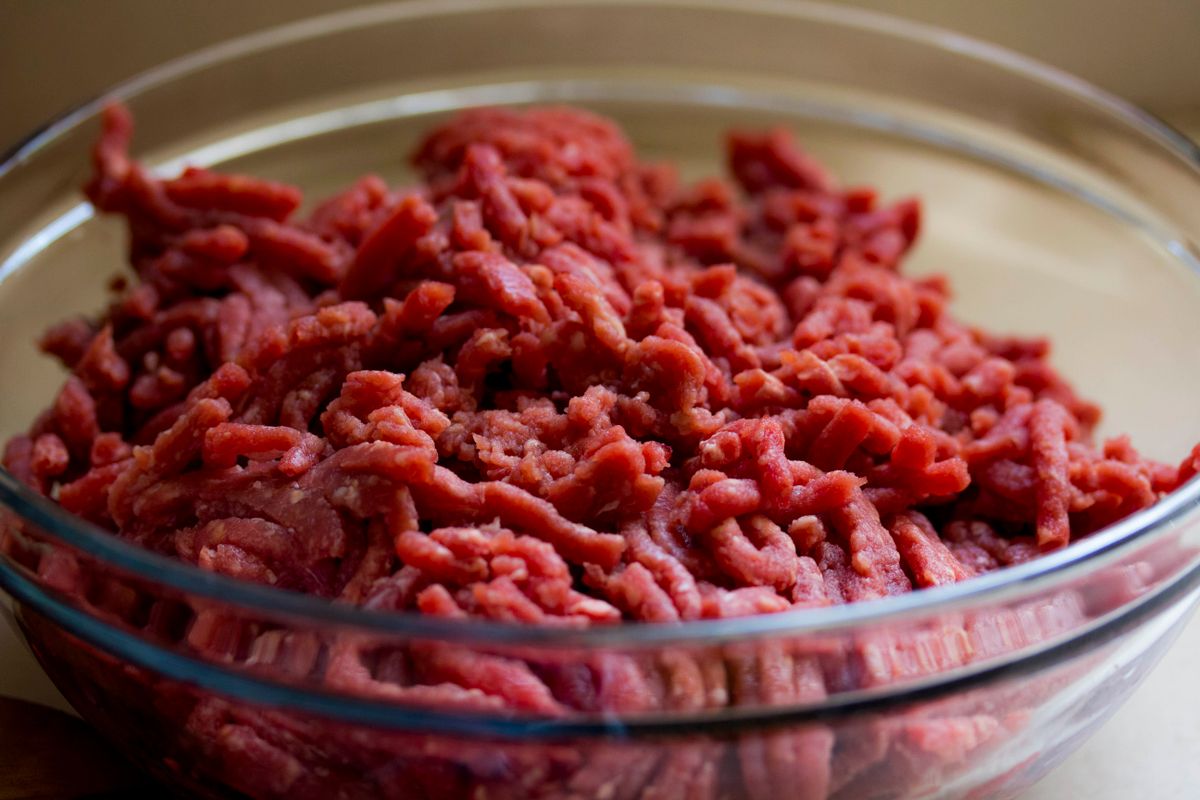
Ground beef color can be confusing because the shade of the meat can change depending on oxygen exposure. USDA guidance explains that myoglobin, a protein involved in meat color, reacts differently depending on how much oxygen reaches the meat.
Because of that, beef can naturally appear in different shades, including bright red, purplish-red, brown, or grayish tones. A gray area by itself does not automatically mean the meat has spoiled.
For shoppers, the appearance of the package is only one part of the picture. Other signs can provide more useful information when deciding whether meat should be used.
Related: The 7 Shocking Truths Behind Beef
What shoppers should check instead of color alone
Food-safety guidance points to several things consumers should pay attention to when evaluating ground beef.
A sour or unusual odor can be a warning sign, as can a sticky or slimy texture. Damaged or leaking packaging and improper temperature storage are also concerns that go beyond color.
Ground beef should be kept refrigerated at 40 degrees F or lower. USDA guidance recommends using or freezing ground beef within one to two days of purchase and cooking it to 160 degrees F.
Those steps apply whether the beef comes from a supermarket, butcher shop, or local ranch.
The “buy local” conversation needs context
After the TikTok post, some commenters encouraged the shopper to purchase beef from local farmers, butcher shops, or ranches instead. Those comments reflect personal opinions, but they are not expert evidence that farm-direct beef is automatically safer.
Buying local can give shoppers more information about sourcing, but it does not remove the need for proper food handling. Beef from any source still depends on safe slaughter and processing, cold storage, careful handling, and thorough cooking.
The practical takeaway is that where beef comes from is only one part of the food-safety picture. Storage conditions and preparation habits remain important.
What is still unknown about the package
The exact H-E-B store involved, the package date, storage temperature, smell, texture, and final outcome of the customer’s complaint have not been independently confirmed.
That means the social-media post should be viewed as an individual customer experience rather than evidence of a retailer-wide problem.
For shoppers who see a similar color change, the best approach is to consider the full condition of the meat rather than relying on appearance alone.
A reminder for the grocery aisle
Ground beef often creates questions because different parts of the same package may not look identical. Oxygen exposure can create visible changes, and those changes are not always a sign that something is wrong.
The bigger lesson from this viral concern is simple: whether beef comes from H-E-B, a butcher counter, or a nearby ranch, safe storage and proper cooking practices matter.
A gray color may catch a shopper’s attention, but it is only one detail in deciding whether meat is suitable to use.