The Hidden Risk Behind Cannabis Edibles That Makes Smoking Safer
The biggest mistake people make with cannabis edibles is treating them like smoked marijuana in food form. They are not the same experience with a different delivery style. They move through the body differently, reach the brain on a different timeline, and can leave people feeling trapped in an intense high long after they expected it to fade.
When we smoke cannabis, THC moves quickly from the lungs into the bloodstream, then travels to the brain within minutes. When we eat cannabis, the body must digest it, process it through the liver, and convert part of the THC into other compounds before the strongest effects arrive. That slower pathway is the reason edibles can feel strangely quiet at first, then suddenly overwhelming later.
That delay creates the classic edible problem. A person eats a brownie, gummy, cookie, drink, or infused snack, waits for a while, assumes nothing is happening, then takes more. By the time the first serving finally begins to peak, the second one may already be moving through digestion, setting up a longer and more intense experience than expected.
Smoking Works Fast Because the Lungs Give THC a Shortcut
Smoking cannabis creates a fast path into the body. The lungs are built for rapid gas exchange, so inhaled THC crosses into the bloodstream quickly. From there, it reaches the brain and binds to cannabinoid receptors that affect mood, perception, memory, coordination, pleasure, appetite, and the sense of time.
That fast onset is one reason smoking feels more predictable to many users. The effect usually announces itself quickly, making it easier to recognize that intoxication has begun. The person may feel relaxed, giggly, slowed down, hungry, anxious, or mentally foggy within minutes.
The speed also creates risk. Impairment can arrive before someone fully respects it. Reaction time, attention, coordination, and judgment can shift quickly, which matters for driving, cooking, walking in unsafe places, working with tools, or making decisions in public.
Smoking also carries a respiratory tradeoff. Cannabis smoke contains irritating compounds and combustion byproducts. Even when people avoid tobacco, frequent cannabis smoking can still irritate the airways, trigger coughing, worsen bronchitis-like symptoms, and expose the lungs to heated smoke.
Edibles Take the Long Road Through Digestion
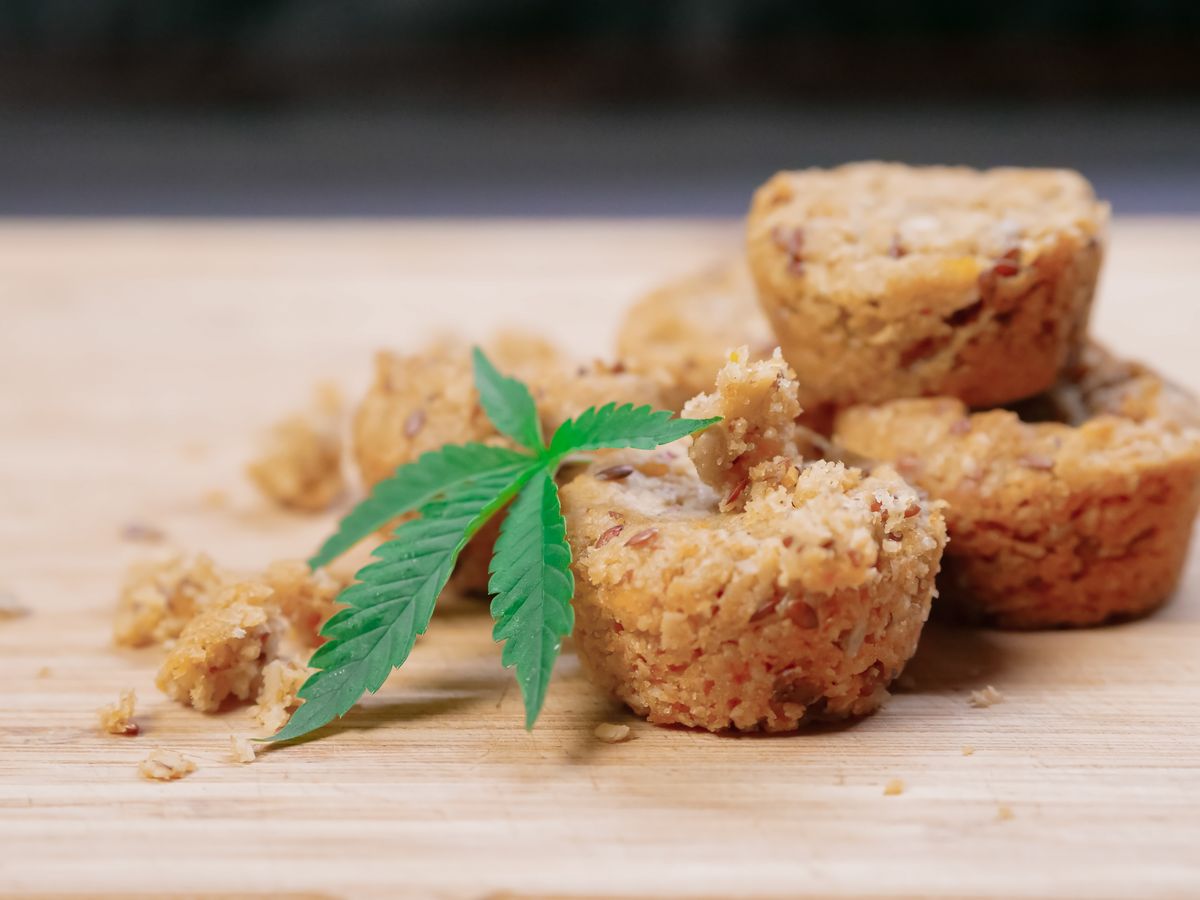
Edibles follow a slower route. After a person eats a THC-infused product, it has to pass through the stomach and small intestine. Absorption depends on the product, the person’s metabolism, recent meals, body size, tolerance, and other substances in the body.
This is why edibles can feel unpredictable. Two people can eat the same product and have very different experiences. One may feel noticeable effects in under an hour, while another may wait much longer before the high becomes obvious.
Food also matters. A full stomach can slow the arrival of effects, but fatty foods may influence cannabinoid absorption because THC is fat-soluble. That means timing and intensity can shift based on what someone ate earlier, not just what the edible label says.
The slow timeline is the trap. With smoking, the body gives feedback quickly. With edibles, the body stays quiet first.
The Liver Changes THC Into a More Complicated Experience
The liver plays a major role in why edibles can feel stronger than smoking. When THC is swallowed, the digestive system sends it through the liver before much of it reaches the wider bloodstream. During that process, the liver converts some delta-9-THC into 11-hydroxy-THC.
This metabolite matters because it is psychoactive and is believed to contribute to the strong, long-lasting effects many people associate with edibles. The common online claim that 11-hydroxy-THC is “five times stronger” oversimplifies the science. The better explanation is that oral cannabis creates a different mix of active compounds in the bloodstream, and that mix can feel heavier, deeper, and longer than inhaled cannabis.
That difference helps explain why someone who tolerates smoked cannabis may still feel overwhelmed by edibles. Tolerance does not always translate cleanly across methods. A person may understand how their body responds to inhaled cannabis, then misjudge how the same person responds to oral THC.
The “Nothing Is Happening” Window Is Where Many Bad Edible Experiences Begin
The most dangerous part of an edible experience often happens before the person feels high. That waiting period can feel harmless, especially in a social setting. People snack, laugh, check the clock, and decide they must not have taken enough.
The problem is that digestion does not care about impatience. An edible can still be moving through the body long before the person feels the full effect. Taking more during that waiting window can stack the total amount of THC in the system.
When the effects finally arrive, they may not arrive gently. The person may suddenly feel too high, too aware of their heartbeat, too slow to speak normally, or too anxious to relax. Some people experience panic because they cannot make their heart stop on command.
Why Edibles Can Last So Much Longer
Smoked cannabis usually rises quickly and fades more predictably. Edibles often build slowly, peak later, and linger. That long duration can surprise people who expected a short high and instead feel impaired for much of the day or night.
The reason comes back to digestion, metabolism, and active compounds. Oral THC enters the body in a staggered way. The stomach and intestines absorb it over time; the liver processes it; and the bloodstream carries both THC and metabolites throughout the body.
Edibles Are Not Automatically Safer Than Smoking
Many people assume edibles are the safer choice because they do not involve smoke. That assumption is only partly true. Edibles avoid inhaling combusted plant material, but they introduce different risks that can be easier to miss.
The biggest edible risks are delayed intoxication and overconsumption. A gummy, cookie, drink, or chocolate does not feel like a drug delivery system. It feels like food. That familiar format lowers people’s guard and makes accidental overuse more likely.
Edibles can also be difficult to judge. Even in regulated markets, people may misunderstand serving sizes, eat more than one portion, mix products, or underestimate potency. Outside regulated markets, labeling can be unreliable, and homemade products may contain uneven THC distribution.
Smoking Is Not Automatically Safer Than Edibles
Smoking has its own problems. The faster onset may make the experience easier to read, but it also means impairment can happen quickly. It can affect coordination, reaction time, memory, judgment, and decision-making within minutes.
The respiratory issue is also hard to ignore. Smoke irritates the lungs. People who smoke cannabis regularly may develop coughing, wheezing, phlegm, or chronic bronchitis-like symptoms. Holding smoke in the lungs does not make the body safer. It increases exposure to irritating compounds.
Smoking cannabis can also affect the heart. THC can increase heart rate and may affect blood pressure. For people with heart disease, anxiety disorders, panic symptoms, or certain medication routines, that sudden body shift can feel frightening or risky.
So the honest comparison is not “edibles are safe and smoking is dangerous” or “smoking is manageable and edibles are dangerous.” The better comparison is this: smoking carries faster and more respiratory-centered risks, while edibles carry slower and more overdose-like intoxication risks.
Panic, Rapid Heartbeat, and “I Think I’m Dying” Moments
One reason edibles send some people to emergency rooms is the intensity of the mental and physical reaction. A person may feel detached from reality, unable to track time, unable to calm down, or convinced that something is medically wrong. The experience can be terrifying even when it is not life-threatening.
A rapid heartbeat can make the panic worse. THC can cause the heart to beat faster, and anxiety can amplify that sensation. The person notices the heartbeat, becomes scared; the fear raises the heart rate, and the loop keeps feeding itself.
Edibles can make this loop harder to escape because the high lasts longer. With smoking, the peak may pass sooner. With edibles, a person may feel stuck in the experience and fear it will never end.
This is one of the strongest reasons we should treat edibles with caution. The danger is not only the THC amount. It is the combination of delayed onset, long duration, panic, confusion, and the inability to quickly reverse the experience.
Cannabis Drinks Add Another Layer of Confusion
Cannabis drinks sit in a confusing middle space. They are edibles because they are swallowed, but they may feel different from brownies or gummies because liquids can move through the digestive system differently. Some drinks are marketed as social alternatives to alcohol, which can make them seem casual.
That framing can be misleading. A THC drink can still impair coordination, judgment, attention, and reaction time. It can still interact badly with alcohol, sedatives, sleep aids, anxiety medications, or other substances that affect the central nervous system.
Drinks can also create serving confusion. A bottle or can may contain more than one serving, and a person may drink it like soda or flavored water. That can turn a small intended amount into a larger exposure without the person noticing.
Cannabis drinks should not be treated like harmless refreshments. The liquid format may feel lighter, but the active ingredient still matters. THC remains THC, even when it arrives with bubbles, fruit flavor, or stylish packaging.
Driving After Edibles Is Especially Risky
Driving after cannabis use is dangerous because THC can affect attention, coordination, tracking, reaction time, and judgment. Edibles make the timing problem worse because the peak can arrive much later than expected.
Someone may feel normal when they leave home, then become impaired after getting behind the wheel. That delayed peak is one of the most important differences between smoking and edibles. The driver may not realize the edible is still climbing.
The long duration also matters. A person may sleep, wake up, and still feel foggy or slowed down after a strong edible experience. That leftover impairment can be easy to dismiss, especially when the person no longer feels intensely high.
The safest rule is to avoid driving or operating equipment after any cannabis use. With edibles, people should be even more cautious because the timeline can be harder to predict and the effects may last much longer than planned.