The IRS Says Your Tax Returns, Birth Certificates and Other Vital Papers Need Fireproof, Waterproof Storage and Digital Backups
Important paperwork is easy to ignore until the moment you desperately need it. The IRS is urging households to take a closer look at how they store tax returns, birth certificates, Social Security cards, insurance policies, property titles, and other records that can be difficult to replace.
The agency’s September 3, 2026, preparedness guidance recommends protecting original documents in waterproof and fireproof containers while also creating electronic copies. It is preparedness advice, not a new tax requirement or a rule that taxpayers must purchase a particular type of safe.
The basic idea is simple: keep the originals protected, but do not rely on a single copy sitting in one place.
Start With the Papers That Matter Most
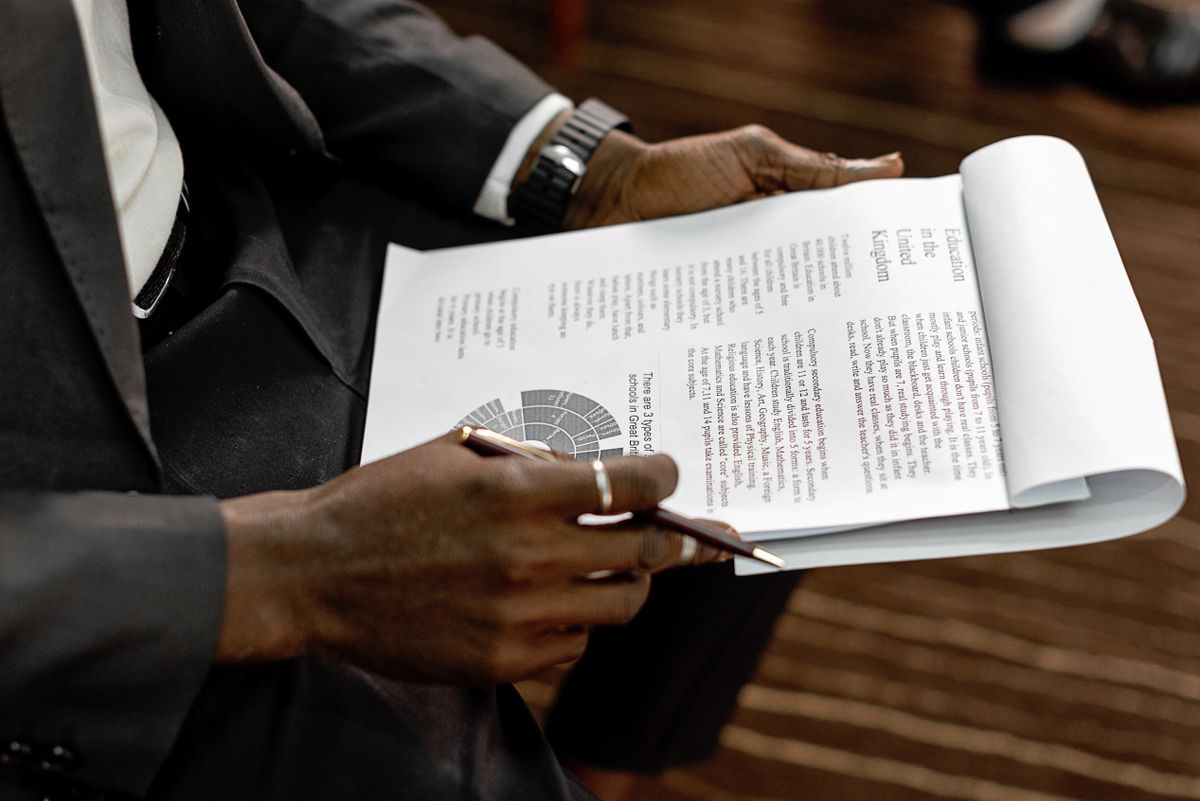
A useful document collection goes beyond tax returns.
The IRS specifically highlights tax returns, birth certificates, Social Security cards, insurance policies, and property titles. Earlier IRS guidance also mentions deeds and other critical original documents.
FEMA’s document checklist expands the list to include mortgage and lease paperwork, vehicle titles and registrations, bank and retirement-account information, wills, trusts, powers of attorney, and important contact information.
That can look like a huge pile, so it helps to think about what each document does. Identity records prove who you are. Property documents establish ownership. Financial records provide information about accounts and obligations. Insurance paperwork identifies the coverage connected to your property and possessions.
The goal is not simply to have everything in one folder. It is to make sure important information remains accessible when normal household files cannot be reached.
Keep Original Documents Protected
The IRS recommends keeping important original records in waterproof and fireproof containers.
FEMA identifies several possible locations for protected paper copies, including a home fireproof and waterproof box or safe, a bank safe-deposit box, or a trusted friend or relative.
There is an important practical detail here: protection and access are connected. If documents are stored somewhere outside the home, the household still needs to understand who can retrieve them.
For example, FEMA recommends checking with a bank or reviewing applicable state law to understand who can access a safe-deposit box if the person who rented it dies or becomes incapacitated.
A protected document is useful only if the right person can eventually get to it.
Make Digital Copies Too
Physical protection is only part of the plan.
The IRS recommends scanning paper records and keeping electronic copies on a secure device or in the cloud. FEMA adds that electronic copies should be password-protected, with encryption providing another layer of protection.
Copies can be stored on removable devices such as a flash drive or external hard drive, or through a secure cloud-based service.
The agencies do not identify one particular storage company, scanning application, or device as the required choice.
Digital copies also need to be handled carefully because these files may contain Social Security numbers, financial-account information, and other sensitive details. Ready.gov cautions people about sharing personal financial information such as account and credit-card numbers.
Keep a Backup Away From Home
There is another useful layer: location.
The IRS recommends considering copies with a trusted contact outside an area that could be affected by the same disaster. FEMA similarly emphasizes having important information stored somewhere that remains accessible if the original location cannot be reached.
That means a household does not have to depend entirely on one safe, one computer, or one physical location.
The point is redundancy. The original records can remain protected at home while another copy provides access to the information from elsewhere.
Photograph Your Property
The paperwork is not the only thing worth documenting.
The IRS recommends photographing or recording video of homes, businesses, vehicles, and other property. FEMA recommends adding descriptions, including the year, make, and model when appropriate, and keeping the inventory somewhere accessible after a disaster.
These records can help document possessions for insurance claims and property-loss tax purposes.
An inventory does not guarantee that a particular insurance claim or tax deduction will qualify. It simply creates a record of what was owned and can help organize information when documentation is needed.
The IRS also provides Publication 584, Casualty, Disaster, and Theft Loss Workbook (Personal-Use Property), and Publication 584-B, Business Casualty, Disaster, and Theft Loss Workbook, for organizing loss information.
Check the Plan Every Year
Document protection is not a one-time project.
The IRS recommends reviewing and updating emergency plans annually. That review can include checking whether important records are still current, whether contact information is accurate, and whether backup arrangements can actually be accessed.
A scan that cannot be opened or a backup that nobody knows how to retrieve does not provide much practical help.
An annual check also gives households an opportunity to add new property documents, financial records, or other important paperwork that has accumulated.
Lost Tax Records May Be Recoverable
Losing tax paperwork does not necessarily mean starting from nothing.
The IRS says taxpayers can access transcripts through an Individual Online Account, request them by mail, call the automated transcript service at 800-908-9946, or submit Form 4506-T. Mailed transcripts typically arrive within five to 10 calendar days.
There is a difference between requesting a transcript and requesting a complete copy of a previously filed return. The IRS identifies Form 4506 for return copies and Form 4506-T for transcripts.
For qualifying disaster requests, IRS guidance also describes expedited assistance and a return-copy fee waiver.
Other financial records may be reconstructed through banks and credit-card companies, which can provide past statements. That recovery process does not replace every document in a household’s collection, however. A tax transcript, for example, is not a replacement for a birth certificate or property title.
Keep Disaster Relief Separate From Document Storage
The IRS may postpone certain tax filing and payment deadlines after a qualifying disaster, but those announcements are specific to the affected areas and deadlines.
Simply following document-storage guidance does not establish eligibility for a filing extension, tax relief, or a particular loss deduction.
For people affected by a qualifying disaster, the IRS identifies the covered areas, deadlines, and actions in separate relief announcements. Relief is often automatic when the taxpayer’s IRS address of record is within the covered area. People outside the covered area whose necessary records are located there may need to contact the IRS Special Services Hotline at 866-562-5227.
The practical takeaway is straightforward: protect the originals, create secure digital copies, keep a backup somewhere separate, and review the collection every year. It is much easier to organize important records before they are needed than to rebuild them after they are gone.