The Next Quake in California Could Be Catastrophic… Here’s Why
California has a beautiful way of making danger look harmless. The beaches glow, the freeways hum, the mountains sit in the distance, and millions of people move through daily life as though the ground beneath them is perfectly loyal. But under all that sunshine, the San Andreas Fault is still doing what it has always done, storing pressure, shifting slowly, and reminding scientists that California’s calm surface can be misleading.
The frightening part is not that a major earthquake might happen someday. The frightening part is that the state already knows it will face more damaging earthquakes, even though no one can name the exact day, hour, or location. That uncertainty is what makes the San Andreas Fault feel less like a science lesson and more like a warning label stretched across California.
The Fault Is Too Big to Ignore

The San Andreas Fault is not a tiny crack hiding in the desert. It runs for hundreds of miles through California, slicing across landscapes, counties, communities, and transportation routes that millions of people depend on every day. Its size alone makes it one of the most watched fault systems in the world, because a major rupture would not be a small local inconvenience.
That is what makes the fault so unsettling. A big earthquake in the wrong section could send shaking across wide areas, damage older buildings, break roads, disrupt water systems, and leave neighborhoods cut off when they need help most. The danger is not just the shaking itself, but the chain reaction that follows when modern life depends on fragile connections.
Southern California Has a Serious Target on Its Back
Southern California carries one of the most worrying earthquake risks because the southern San Andreas has been quiet for a long time. Quiet does not always mean safe in earthquake country. Sometimes it means stress is still building underground, waiting for the fault to release energy in a violent burst.
A major rupture in Southern California could affect areas far beyond the fault line. Los Angeles, San Bernardino, Riverside, Palm Springs, and desert communities could all experience varying levels of impact depending on where the rupture begins and how seismic waves travel. That is why experts treat the southern San Andreas as one of the state’s most serious earthquake threats.
Scientists Can Forecast Risk, But They Cannot predict the Date.

One of the most dangerous myths about earthquakes is the belief that experts will somehow know right before the big one hits. They will not. Scientists can estimate long-term probabilities, study past ruptures, map active faults, and model shaking scenarios, but they cannot predict the exact date and time of a major earthquake.
That truth makes preparation more urgent, not less. Waiting for a perfect warning is like waiting for smoke before buying a fire extinguisher. California’s earthquake risk is already clear enough to act on, even without a countdown clock.
The Big One May Not Look Like the Movies
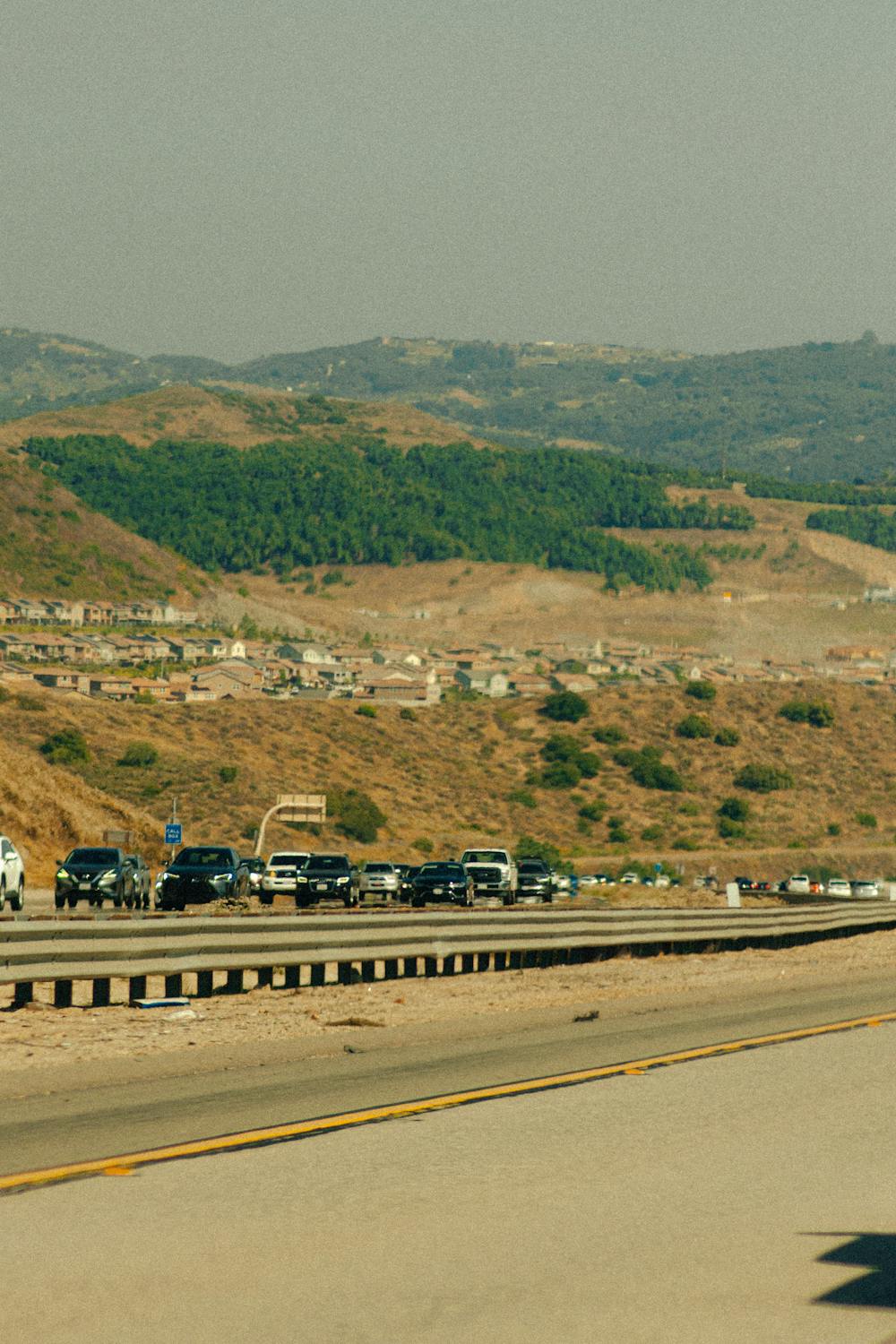
Hollywood loves the idea of streets splitting open, skyscrapers folding like paper, and people outrunning cracks in the ground. Real earthquakes are usually more complicated and, in many ways, more frightening. The ground does not need to open like a movie scene to destroy homes, buckle roads, damage bridges, or shut down utilities.
The real threat is shaking. Strong shaking can throw heavy furniture, crack foundations, rupture gas lines, trigger fires, break glass, and turn ordinary rooms into dangerous spaces in seconds. The most realistic earthquake disaster is not a giant hole swallowing a city. It is thousands of small failures happening at once.
Infrastructure Could Struggle Under the Pressure
A major San Andreas earthquake would not only test buildings. It would test highways, rail lines, power grids, water pipelines, cell towers, hospitals, schools, ports, and emergency services. California runs on systems that cross fault zones and depend on one another, meaning one failure can quickly trigger another.
The hardest part of a major quake may come after the shaking stops. People could face blocked roads, fuel shortages, power outages, damaged water lines, overloaded hospitals, and disrupted communication networks. In a state built around movement, delay can become its own disaster.
Older Buildings Could Become a Major Weak Spot
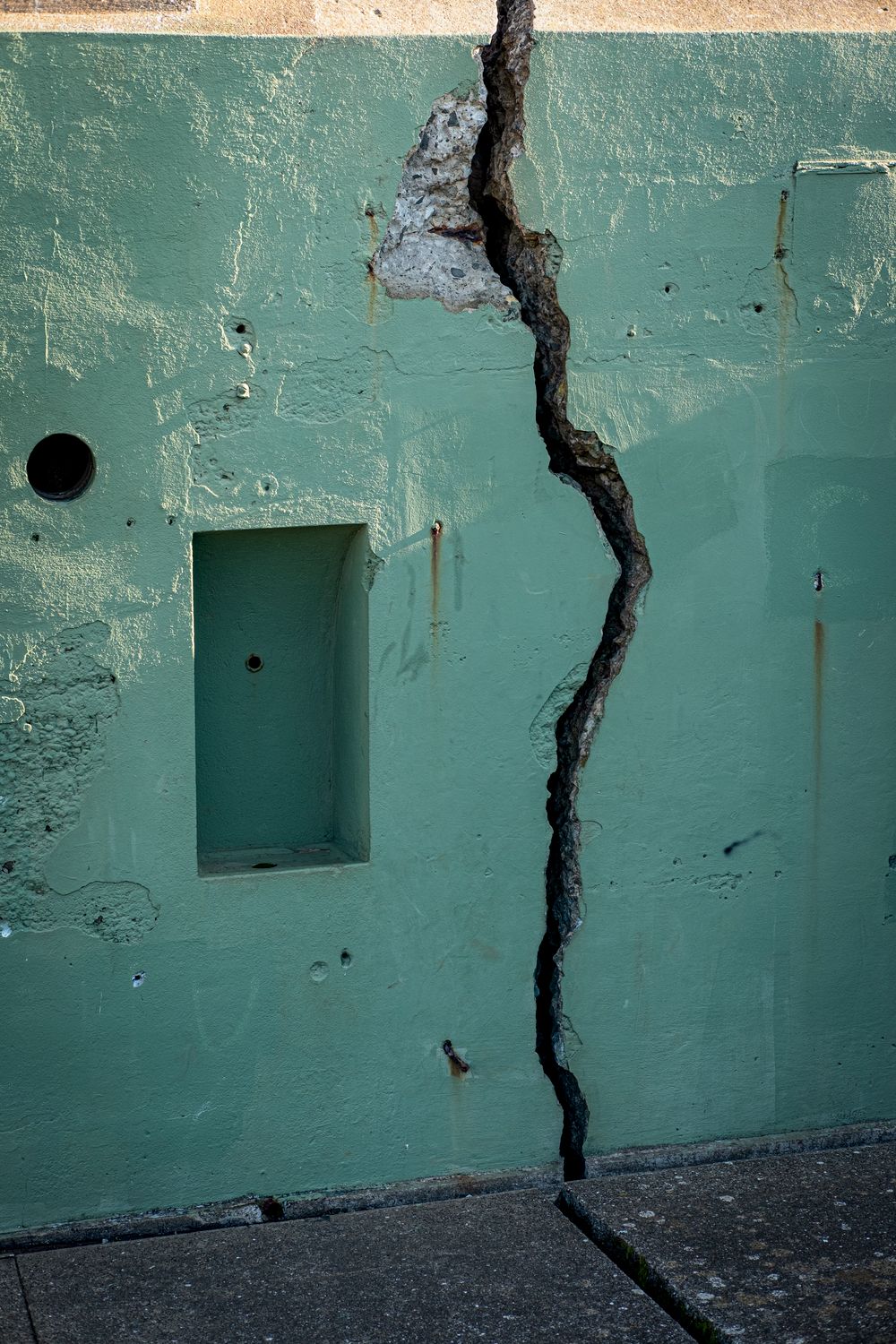
California has stronger building standards than many places, but not every structure was built with modern earthquake science in mind. Older homes, soft-story apartments, unreinforced masonry buildings, weak foundations, and poorly secured water heaters can all become serious risks during strong shaking. A building does not have to collapse completely to become unsafe.
This is where preparation becomes personal. Retrofitting, bracing, anchoring, and securing heavy objects may sound boring, but those steps can decide how well a home survives. The fault may be impossible to control, but the vulnerability inside a house can often be reduced before the shaking begins.
The Bay Area Has Its Own Dangerous Fault Problems
The San Andreas gets the famous name, but it is not California’s only concern. The Bay Area has other dangerous faults, including the Hayward fault, that run through dense urban areas and carry a serious risk. That matters because a damaging earthquake does not need to come from the most famous fault to cause massive trouble.
This is one reason Californians should avoid focusing only on the San Andreas. The state’s earthquake danger is a network, not a single line on a map. A smaller quake on a heavily populated fault can still be devastating if it strikes near homes, offices, schools, bridges, and transit systems.
The Real Question Is Not If California Will Shake Again
California’s earthquake future is not a mystery in the broad sense. The state will continue to have earthquakes because the forces beneath it have not gone away. The real question is how ready people, cities, and systems will be when the next damaging one arrives.
That is why the San Andreas Fault still deserves attention without turning the conversation into panic. Fear alone does nothing. But informed fear can push people to bolt the bookshelf, check the foundation, pack the emergency kit, review insurance, and stop treating earthquake safety like a chore for another day.
The San Andreas Fault is not a monster lurking beneath California, but a powerful reminder that the state’s beauty comes at a high geologic price. No one can predict the exact moment of the next major earthquake, and anyone claiming otherwise is selling false certainty. Still, the science is clear enough to make one thing obvious: California cannot afford to be casual about the ground beneath it.
The smartest response is not panic. It is preparation. The fault will keep moving, the pressure will keep building, and the next damaging earthquake will eventually make headlines. The only choice Californians truly control is how ready they are before that headline arrives.