The Simple Trick That Keeps Shrimp Plump, Juicy, and Snappy Every Time
Shrimp is one of the easiest proteins to cook, but it is also one of the easiest to overcook. A few extra moments in the pan can completely change the texture, turning tender and juicy shrimp into something tough, rubbery, or unpleasantly soft. Because shrimp cook so quickly, even experienced cooks can struggle to balance firmness and tenderness. The goal is shrimp that feels satisfying to bite into, with a plump texture, natural sweetness, and just enough resistance without becoming chewy.
A simple preparation technique can help improve shrimp texture before cooking even begins. A dry brine made with salt and baking soda can help shrimp retain moisture, keep their shape, and develop a more appealing texture during cooking. This method works by changing how shrimp proteins behave when exposed to heat, reducing moisture loss and tightening that often makes shrimp dry or rubbery.
The technique is easy, affordable, and uses ingredients commonly found in most kitchens. With a short rest before cooking, this simple step can make a noticeable difference in the final result.
Why Shrimp Becomes Rubbery or Mushy
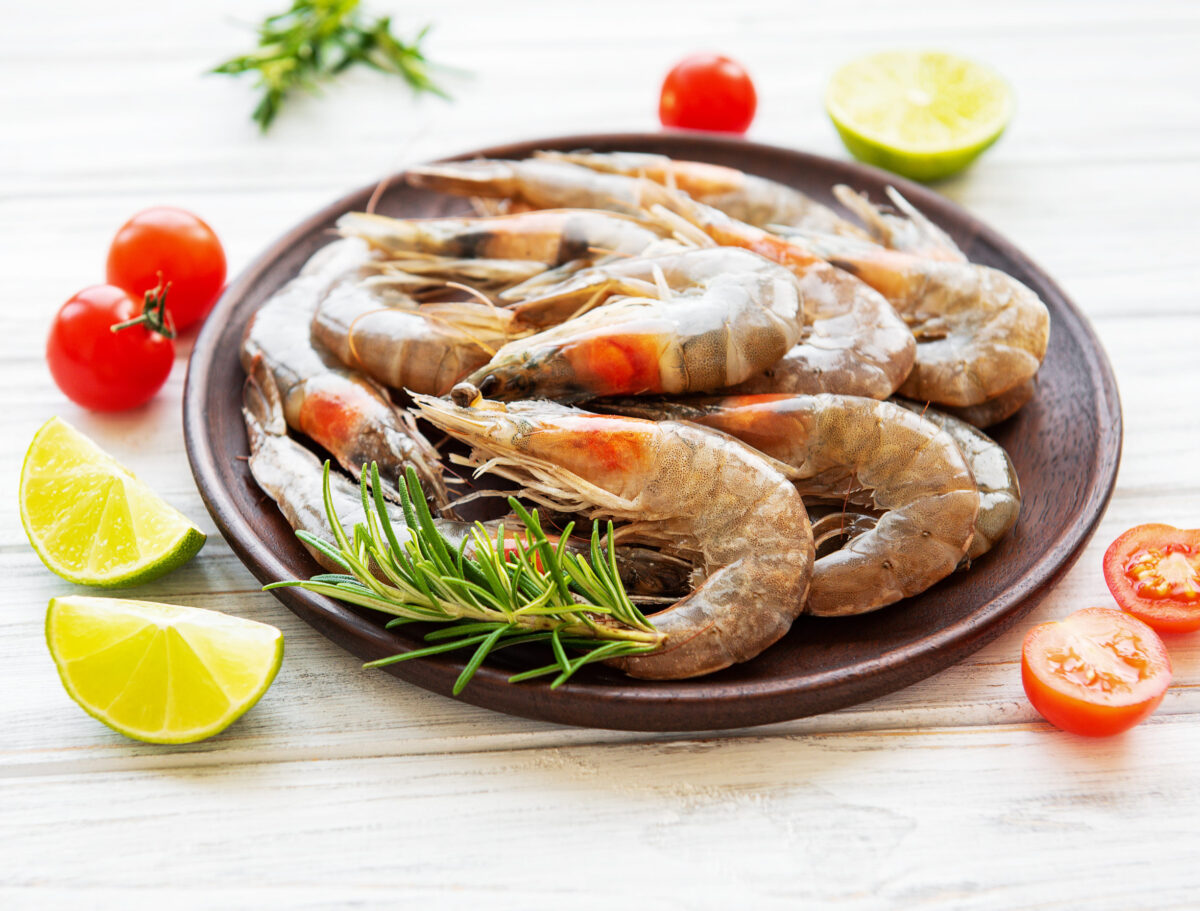
To understand why dry brining works, it helps to understand what happens to shrimp during cooking. When heat is applied to proteins, the structures inside the food begin to change. This process, known as denaturation, causes proteins to unfold and form new connections. As cooking continues, these connections become tighter, causing the muscle fibers to contract and push out moisture.
In shrimp, this process can quickly lead to a firm but unpleasant texture. Because shrimp are small and have delicate muscle tissue, they cook quickly. When exposed to heat for too long, the proteins contract more strongly, resulting in shrimp that feel tight, dry, or rubbery. Cook them even longer, and the texture can become less desirable as the shrimp’s structure begins to break down.
The challenge with shrimp is that the cooking window is very small. Even a short time difference can separate perfectly cooked shrimp from shrimp that have lost their natural juiciness. This is why techniques that help shrimp retain moisture during cooking can be valuable.
How a Salt and Baking Soda Dry Brine Works
The dry brining method uses two simple ingredients: salt and baking soda. For every pound of shrimp, a common ratio is about one teaspoon of kosher salt combined with one-quarter teaspoon of baking soda. Coat the shrimp with the mixture and let them rest before cooking, giving the ingredients time to interact with the proteins.
Unlike a traditional wet brine, which involves soaking food in a liquid solution, a dry brine applies seasoning directly to the shrimp’s surface. This allows the salt and baking soda to work without adding extra water that could affect cooking and browning.
A short resting period is usually enough to make a difference. Letting the shrimp sit for about 15 minutes before cooking gives the ingredients time to affect the texture. If the shrimp need to rest longer, keep them refrigerated to maintain freshness.
How Salt Helps Shrimp Stay Juicy
Salt plays an important role in improving both flavor and texture. When salt comes into contact with shrimp, it interacts with the muscle proteins. One effect is that it reduces how tightly those proteins contract during cooking.
Without this preparation, heat can cause shrimp proteins to tighten quickly, forcing moisture out of the meat. By changing how these proteins behave, salt helps shrimp hold more of their natural moisture, creating a fuller, more succulent texture.
This same principle applies to other meats and seafood. Dry brining is a common cooking technique because it lets salt improve seasoning while also affecting the food’s final texture. With shrimp, the effect is especially noticeable because the cooking process happens so quickly.
How Baking Soda Improves Shrimp Texture
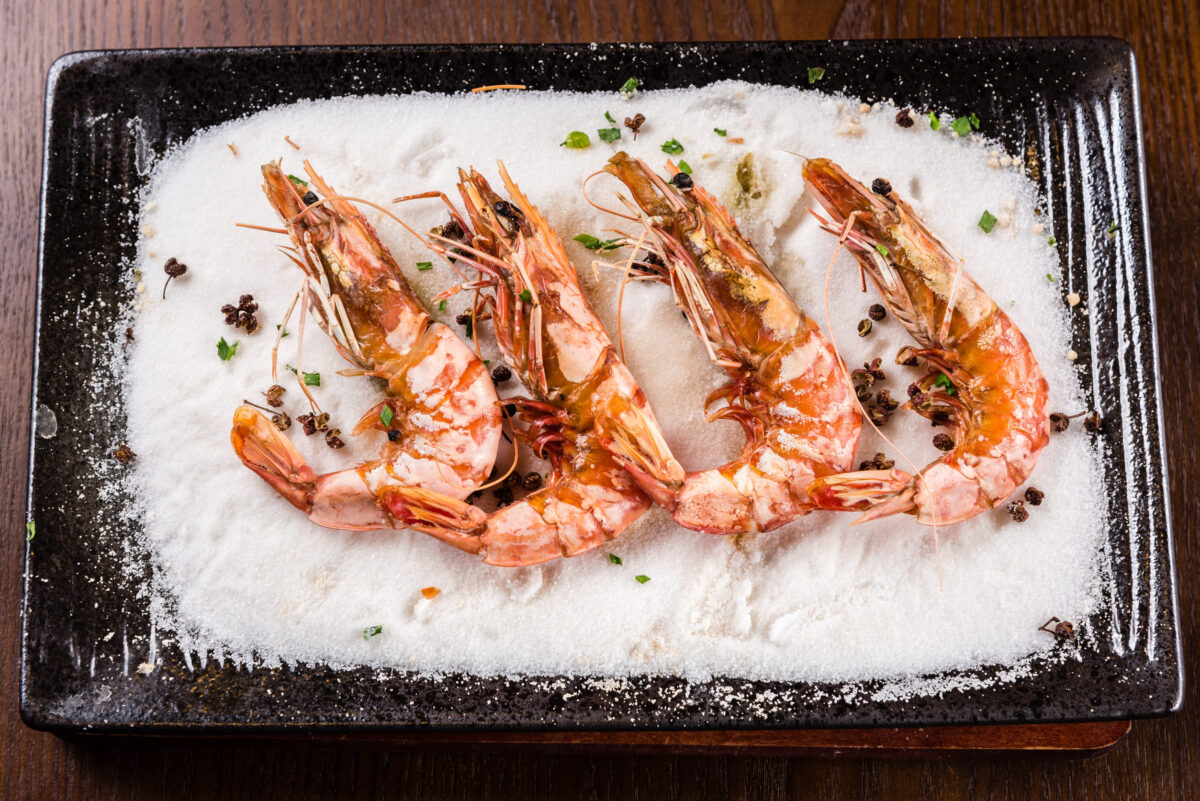
Baking soda contributes by increasing the shrimp’s pH. Since baking soda is alkaline, it changes the environment around the proteins and affects how they bond together during cooking.
A higher pH makes the proteins less likely to tighten as aggressively when heated. This helps the shrimp retain more moisture and gives them a firmer, springier texture rather than one that feels dry or compressed.
Baking soda also has another advantage when cooking shrimp: it can encourage better browning. The Maillard reaction, which creates the flavorful browning associated with cooked proteins, happens more readily in higher-pH conditions. This means properly cooked dry-brined shrimp may develop better color and more complex flavors.
Why You Still Need to Avoid Overcooking Shrimp
Although dry brining can improve shrimp texture, it does not prevent overcooking. Shrimp will eventually become tough if they are exposed to heat for too long, even after being treated with salt and baking soda.
View the technique as a way to improve texture and offer a little more protection against moisture loss. It extends how long shrimp can stay pleasantly plump, but it doesn’t remove the need for careful cooking.
The best results come from combining preparation with proper timing. Cook shrimp until opaque and firm, while still maintaining a slight springiness. When shrimp curl tightly and become very firm, they’ve often cooked past their ideal texture.
When Dry Brining May Not Be the Best Choice
While many people enjoy the firm, juicy texture dry brining creates, it may not be the best method for every shrimp dish. The technique creates a noticeably plump, slightly taut texture that works well for many preparations but may not match every cooking style.
Some recipes may benefit from shrimp with a softer, more delicate texture. In these cases, a cook may choose not to use the dry brine because the final texture they want doesn’t require the added firmness.
Cooking is ultimately about choosing the techniques that best suit the dish. Dry brining is a useful tool, but it isn’t required for every shrimp recipe. Understanding how the technique changes texture helps cooks decide when it will deliver the best results.
A Small Step That Makes a Big Difference
The appeal of the salt-and-baking-soda dry brine is that it is simple, inexpensive, and effective. It doesn’t require special equipment or complicated prep, yet it can significantly improve how shrimp feel and taste after cooking.
By taking a few minutes to prepare shrimp before they reach the heat, you can help them stay juicy, flavorful, and pleasantly firm. The technique works especially well for dishes where shrimp are the star ingredient and where texture plays an important role in the overall experience.
Dry brining will not replace careful cooking, but it offers an added advantage that can help prevent one of the most common shrimp problems: disappointing texture. With just salt, baking soda, and a little patience, you can give your shrimp a better chance of turning out plump, tender, and full of flavor every time.