Trump’s $3 Billion Plan to Buy Cheap Oil Was Blocked. Now the U.S. Reserve Has Fallen to a 1983 Low
America’s emergency oil stockpile has fallen to its lowest level in more than four decades, reopening a heated debate over whether Washington missed a rare opportunity to strengthen the nation’s energy defenses when crude prices collapsed during the COVID-19 pandemic. The Strategic Petroleum Reserve (SPR), created to protect the country during major energy emergencies, now holds roughly 311 million barrels, a dramatic decline from the levels maintained during previous decades.
The shrinking reserve has turned an old political dispute into a fresh national conversation about energy security, government decisions and the cost of acting too late. At the center of the debate is a $3 billion proposal from former President Donald Trump’s administration in 2020 that would have purchased millions of barrels when oil prices were near historic lows. Supporters argue the plan could have saved billions and rebuilt America’s emergency supply, while critics maintain the decision involved complicated economic and political risks.
Strategic Petroleum Reserve Falls to Lowest Level Since 1983

The Strategic Petroleum Reserve was created in response to the oil crises of the 1970s, when global supply disruptions exposed America’s vulnerability to sudden energy shortages. The federal stockpile was designed as an emergency shield, giving the government access to millions of barrels of crude during wars, natural disasters and major disruptions in global markets. Unlike commercial oil supplies, the reserve was never intended to manage everyday fuel prices but instead serve as a national energy insurance policy.
For decades, the SPR represented one of the world’s largest emergency oil supplies and a key part of America’s national security strategy. The reserve eventually grew beyond 700 million barrels, stored in underground salt caverns along the Gulf Coast that were designed for long-term protection. Today, the stockpile has fallen to approximately 311 million barrels, marking its lowest point since the early 1980s and raising questions about whether the country still has enough protection against another major energy shock.
Trump’s $3 Billion Oil Plan Emerged During a Historic Market Collapse.
The controversy surrounding the Strategic Petroleum Reserve began during one of the most unusual moments in modern energy history. In early 2020, the COVID-19 pandemic brought global travel and economic activity to a sudden slowdown, causing oil demand to collapse at a speed rarely seen before. Producers were left with excess crude, storage facilities faced pressure, and oil prices plunged to levels that created an extraordinary buying opportunity.
The Trump administration responded by proposing a plan to spend roughly $3 billion to purchase up to 77 million barrels of oil for the reserve. Supporters viewed the proposal as a strategic move because the government could purchase crude cheaply, support a struggling energy sector and rebuild the nation’s emergency supply before prices recovered. They argued that buying during a historic market crash was similar to taking advantage of a major discount on a critical national resource.
Supporters Say Washington Missed a Rare Chance to Buy Cheap Oil
Those who supported the 2020 purchase plan argue the decision should be viewed through the lens of long-term energy security rather than short-term politics. They point out that oil prices were dramatically lower than normal, creating a rare situation where the federal government could add millions of barrels to the reserve at a relatively small cost. Their argument is that emergency supplies are most valuable when they are purchased before a crisis, not after one begins.
The economic calculation remains at the center of the debate. Buying 77 million barrels at prices near $20 to $30 per barrel would have required billions less than replacing the same amount when oil prices rise significantly. Supporters believe the government had a historic opportunity to strengthen the reserve while spending far less taxpayer money than it may require today.
Democrats Raised Concerns Over the Oil Purchase Proposal
The proposed purchase faced opposition from Democratic lawmakers who questioned whether taxpayer money should be used to buy oil during a market collapse. Critics argued that the plan risked becoming a government bailout for oil producers rather than a necessary emergency investment. They believed federal resources should be focused on broader economic recovery efforts instead of directly supporting one industry.
The lack of political support prevented the Department of Energy from completing the large-scale purchase. Years later, the disagreement remains one of the biggest examples of how energy policy decisions can look very different when viewed from another moment in history. Supporters see a missed opportunity, while critics argue officials made a reasonable decision based on the uncertainty surrounding the pandemic.
Biden’s Emergency Releases Reduced America’s Oil Cushion
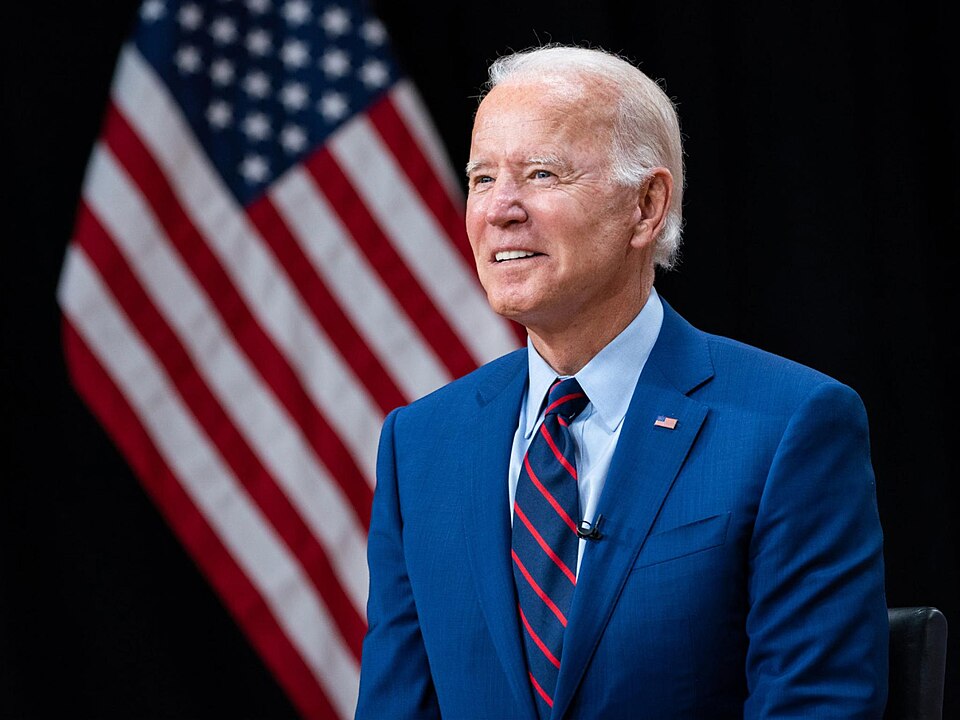
The decline of the Strategic Petroleum Reserve accelerated during another major global energy disruption following Russia’s invasion of Ukraine. The conflict created uncertainty across international oil markets, sending prices higher and increasing pressure on governments to reduce the impact of rising fuel costs. The Biden administration responded by approving one of the largest emergency releases in the reserve’s history.
The move was designed to increase supply and provide relief during a period of extreme market volatility. Supporters argued that using the reserve was exactly why it was created, while critics warned that releasing such a large number of barrels weakened America’s ability to respond to future emergencies. The result was a significant reduction in the country’s emergency oil supply at a time when geopolitical risks remained high.
America’s Oil Reserve Dropped Sharply After Major Releases
At the beginning of 2021, the Strategic Petroleum Reserve held approximately 638 million barrels of oil, providing the country with a much larger emergency cushion. Over the following years, government-authorized releases reduced that inventory significantly, with the reserve falling near 350 million barrels by 2023. The current level of around 311 million barrels represents a major change from the stockpile maintained before recent energy crises.
The decline has created a difficult challenge for future administrations that must decide how aggressively to rebuild the reserve. Purchasing large quantities of oil requires careful timing because prices can change quickly depending on global conflicts, economic conditions, and production levels. The government must now balance the need for stronger protection with the financial cost of replacing millions of barrels.
Refilling the Strategic Petroleum Reserve Could Become Expensive
Rebuilding the Strategic Petroleum Reserve is not as simple as replacing empty storage space with new barrels. Large government purchases can influence oil markets by increasing demand, potentially making crude more expensive at the exact moment officials are trying to buy. The process also requires planning around storage capacity, delivery schedules and long-term energy needs.
The biggest challenge is timing. A government purchase made during the 2020 oil collapse could have secured millions of barrels at much lower prices than today’s market conditions may allow. Waiting until a crisis creates urgency often means paying a premium, which is why supporters of the original plan argue that early action could have saved taxpayers significant money.
The Oil Reserve Debate Is About National Security and Consumer Costs
The argument over the Strategic Petroleum Reserve extends beyond politics and gasoline prices. Some policymakers believe the reserve should be used when energy costs threaten American families and businesses because fuel prices affect nearly every part of the economy. Others believe the stockpile should remain protected for extreme emergencies where national security is directly threatened.
The disagreement reflects a larger question about how America prepares for uncertainty. Using emergency resources can provide immediate benefits during difficult periods, but reducing those resources too far can create vulnerability when another crisis arrives. The challenge is finding the right balance between helping consumers today and protecting the country tomorrow.
Global Energy Competition Is Changing How Nations Prepare
Energy security has become a major priority for countries around the world as governments face growing uncertainty in global markets. Nations such as China and other major economies have invested in strategic reserves because they view stored energy supplies as protection against geopolitical disruptions. The ability to maintain fuel access has become closely connected to economic stability and national strength.
The United States remains one of the world’s largest energy producers, but production alone does not eliminate the need for emergency reserves. Global events can disrupt supply chains, transportation networks, and international markets even when domestic production remains strong. Maintaining a strategic reserve provides another layer of protection when unexpected challenges emerge.
The Next Energy Crisis Will Reveal America’s Level of Preparedness
The debate over the Strategic Petroleum Reserve is ultimately a debate about preparation. Supporters of Trump’s 2020 proposal believe the current reserve level shows that America missed a valuable opportunity to buy cheap oil and build a stronger emergency supply. They argue that decisions made during periods of low prices can determine how well a country survives future disruptions.
Critics maintain that energy decisions cannot be judged only through hindsight because policymakers faced extraordinary uncertainty during the pandemic. However, the current reality remains clear: America has fewer emergency barrels available than it did several years ago. The next major energy crisis will reveal whether the country rebuilt its safety net in time or whether the warning signs were ignored.