U.S. Offers $25 Million Reward for Capture of Alleged CJNG Leader in Major Cartel Crackdown
The United States has dramatically increased pressure on one of Mexico’s most powerful criminal organizations by offering a $25 million reward for information leading to the capture of Juan Carlos González, a U.S. citizen who authorities say has emerged as the leader of the Jalisco New Generation Cartel (CJNG).
The reward marks one of the largest financial incentives ever offered for a cartel figure and comes as U.S. officials intensify efforts to disrupt CJNG’s leadership network, financial operations and international trafficking routes.
González, also known by the alias “El Pelón,” is reportedly a dual U.S.-Mexican citizen and the stepson of longtime CJNG leader Nemesio Rubén Oseguera Cervantes, better known as “El Mencho.” U.S. officials say González took a larger role in the organization after El Mencho was killed in a Mexican military operation earlier this year.
U.S. Escalates Pressure on CJNG Leadership
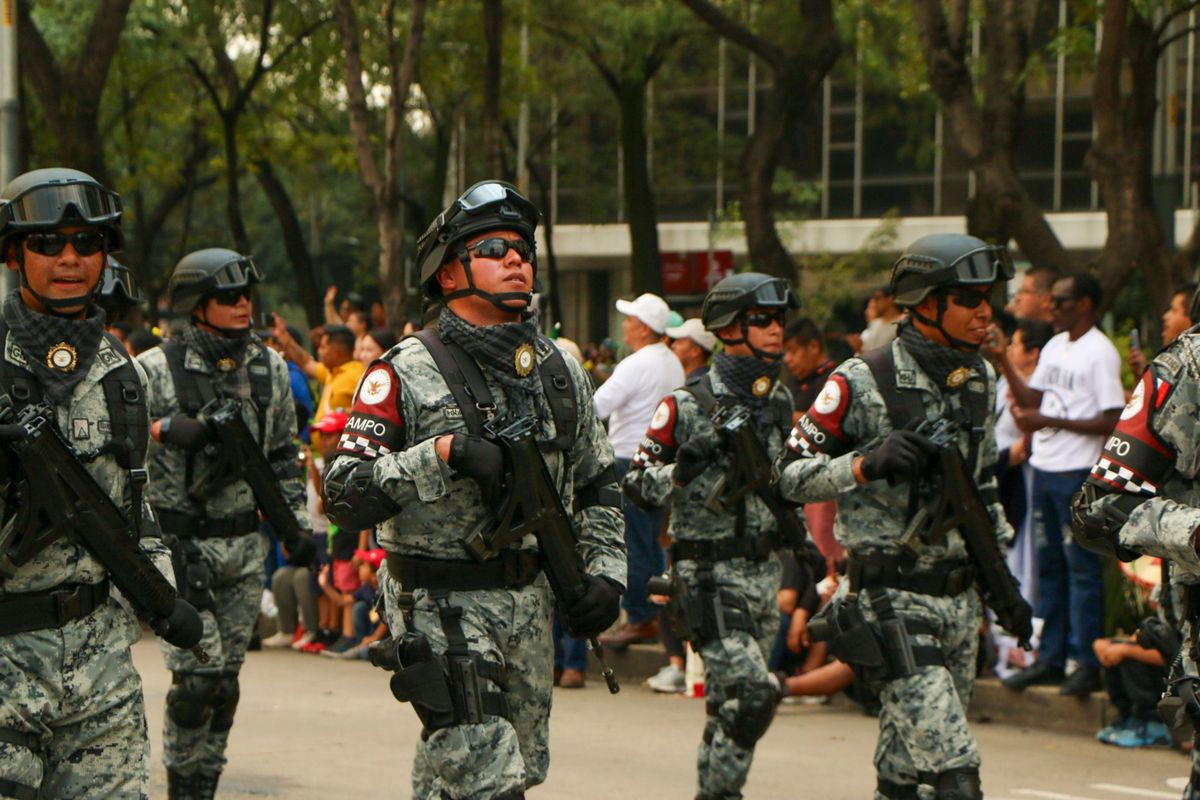
The new reward is part of a broader campaign by U.S. authorities aimed at weakening CJNG, which Washington considers one of the most influential and dangerous drug-trafficking organizations operating across North America.
The cartel has built a reputation for its extensive drug distribution network, violent enforcement tactics and ability to operate across multiple regions. Authorities say CJNG has maintained a presence throughout much of Mexico while extending operations into international markets, including the United States.
The State Department and other U.S. agencies have combined financial sanctions, criminal indictments and reward offers as part of an effort to target the group’s leadership structure. Recent actions have included sanctions against dozens of individuals and businesses allegedly connected to CJNG operations.
The reward for González was increased from a previous $5 million offer, reflecting the importance U.S. officials place on locating him.
Who Is Juan Carlos González?
According to U.S. authorities, González is closely connected to the former CJNG leadership structure through his family ties to El Mencho. After El Mencho’s reported death, officials say González became one of the figures believed to be competing for control of the cartel’s future direction.
The leadership transition comes at a critical moment for CJNG. The death of a longtime cartel leader often creates uncertainty inside criminal organizations, sometimes triggering internal disputes, territorial battles or attempts by rival factions to seize influence.
Despite years of law enforcement operations targeting cartel leadership, organizations such as CJNG have repeatedly demonstrated the ability to replace fallen leaders and continue operations.
Officials argue that targeting senior figures remains an important strategy because cartel networks depend heavily on leadership, financial systems and distribution channels.
A Wider Crackdown on Cartel Figures
The reward announcement was accompanied by additional legal action against several other alleged CJNG leaders. U.S. authorities recently announced indictments against five high-ranking figures accused of involvement in drug trafficking operations connected to the cartel.
Those cases include allegations involving the trafficking of cocaine and methamphetamine into the United States. None of the individuals named in those indictments are currently in U.S. custody, according to officials.
The moves reflect a broader U.S. strategy that combines law enforcement pressure with financial disruption. Authorities have increasingly focused on following cartel money, restricting access to financial systems and targeting businesses allegedly used to support criminal activity.
CJNG’s Growing Role in the Drug Trade
CJNG has become one of Mexico’s most powerful criminal organizations, expanding its influence through drug trafficking, intimidation and control of territory.
U.S. officials have repeatedly identified the group as a major supplier of illegal narcotics entering American communities, including fentanyl, methamphetamine and cocaine.
The cartel’s growth has contributed to increased tensions between Washington and Mexico City over how aggressively organized crime should be confronted.
The Trump administration has pushed for stronger action against cartels and has used sanctions, criminal cases and diplomatic pressure to encourage Mexico to intensify enforcement efforts.
Mexican officials have faced their own challenges combating powerful criminal groups, including concerns about violence, corruption and the difficulty of dismantling organizations that operate through decentralized networks.
The Political and Security Impact
The $25 million reward sends a clear message that U.S. authorities view CJNG leadership as a major national security priority.
For American officials, targeting González is not only about capturing one individual. It is part of a larger effort to disrupt the financial and operational systems that allow criminal organizations to continue functioning even after major arrests or killings.
However, history has shown that removing cartel leaders does not always end criminal activity. In many cases, leadership changes can create new conflicts as rival groups compete for control.
The coming months will reveal whether the U.S. pressure campaign can significantly weaken CJNG’s structure or whether another leadership transition will allow the organization to adapt once again.
For now, the $25 million reward places Juan Carlos González at the center of one of the largest international law enforcement efforts targeting a Mexican cartel leader in recent years.