USS Abraham Lincoln Has Been at Sea for Nine Months, and Families Raise Concerns Over Food and Supply Shortages
For the families of sailors aboard the USS Abraham Lincoln, months at sea have brought a growing sense of frustration and concern. After an unusually long deployment lasting roughly nine months, some relatives say their loved ones have reported shortages of certain food items and basic supplies, raising questions about the challenges crews face while operating far from home.
The Nimitz-class aircraft carrier USS Abraham Lincoln (CVN 72) has spent an extended period conducting naval operations across key regions, supporting U.S. military objectives and maintaining a forward presence. Long deployments are a routine part of Navy life, but families say the length of this mission has created additional pressure on sailors who have spent months away from their homes, families, and normal support systems.
Concerns about food availability, personal supplies, and living conditions have drawn attention because aircraft carriers depend on complex logistics networks to support thousands of sailors for extended periods. Even small disruptions can become significant when a crew remains at sea for months without the ability to easily resupply.
A Long Deployment Tests Sailors and Their Families
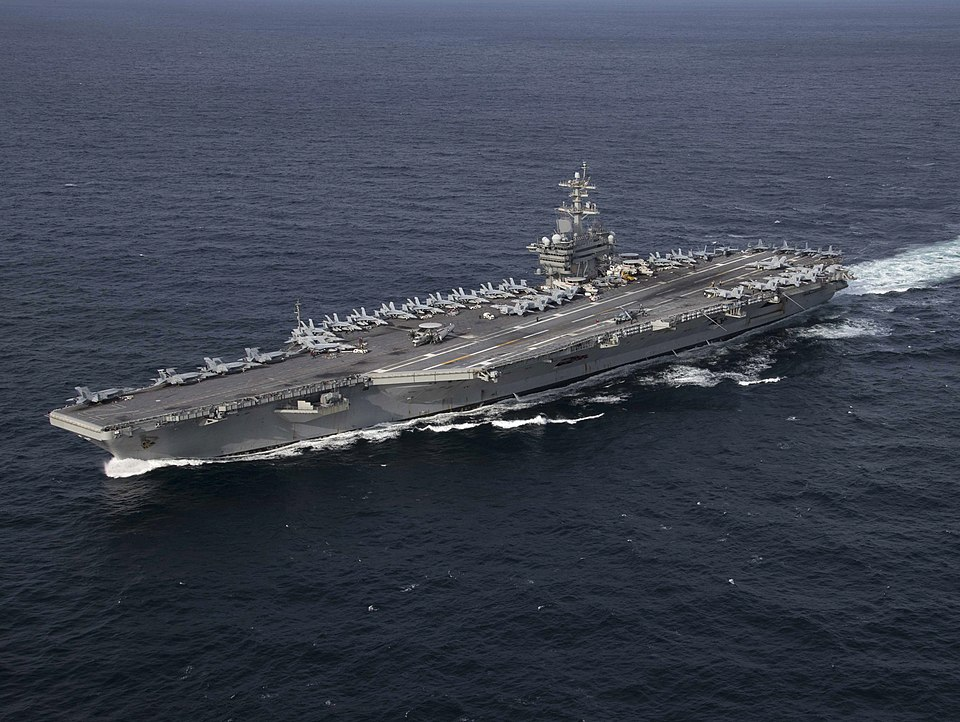
Extended deployments are among the most demanding experiences in the U.S. Navy. Sailors aboard aircraft carriers often work long hours, operate in high-pressure environments, and spend months separated from their families.
The USS Abraham Lincoln carries thousands of sailors and operates like a floating city. The ship requires constant deliveries of food, medical supplies, equipment, and maintenance materials to continue functioning effectively.
However, when deployments stretch longer than expected, maintaining supplies becomes more complicated. The Navy must coordinate replenishment missions, logistics operations, and supply transfers across vast distances.
For families waiting at home, the challenge is not only the physical separation but also hearing concerns from loved ones who are facing difficult conditions onboard.
Some relatives have said sailors described shortages involving certain food choices and everyday necessities. The reports have increased attention on how the Navy manages extended missions and whether crews receive the resources needed during prolonged operations.
USS Abraham Lincoln’s Mission Requires Massive Logistics Support
The USS Abraham Lincoln is one of the Navy’s largest warships and serves as the centerpiece of a carrier strike group. Its mission involves supporting aircraft operations, maritime security, and regional deterrence efforts.
Operating a carrier strike group requires extensive planning. Thousands of meals must be prepared daily, aircraft must be maintained, and critical equipment must remain operational.
Unlike a traditional military base, a carrier cannot simply drive to a nearby store or warehouse when supplies become limited. Every item used onboard must be carefully planned, transported, and stored.
Food supplies are especially important because sailors rely on regular meals to maintain the physical stamina required for demanding operations. A shortage of preferred items may not always mean a complete lack of food, but it can affect morale during a long deployment.
Military officials have historically emphasized that maintaining sailor readiness remains a priority. The Navy uses supply ships and logistical operations to support vessels operating far from shore.
Still, families say the length of the current deployment has made the situation more difficult for sailors and those waiting for them at home.
Families Speak Out About Life During Extended Deployments
Behind every military deployment are families managing months of uncertainty. Spouses, parents, and children often experience the emotional strain of limited communication and long periods apart.
When sailors report problems onboard, family members may feel a responsibility to bring attention to their concerns.
For some families, the issue is not simply about a missing item or a temporary inconvenience. It represents the broader challenge of keeping sailors supported during missions that require extraordinary sacrifices.
Long deployments can affect sleep schedules, mental health, and overall morale. Sailors must continue performing their duties despite fatigue and the emotional challenges of being away from home.
Family members have increasingly used public platforms to discuss concerns, hoping to highlight the conditions service members face and encourage solutions.
The Navy has previously faced similar concerns during periods of extended operations, including questions about maintenance schedules, crew fatigue, and quality-of-life issues.
Why Food and Supply Issues Matter on a Navy Carrier
Food and supplies may seem like small details compared with military operations, but they play a major role in maintaining readiness.
Aircraft carriers depend on sailors performing thousands of tasks every day. From aircraft maintenance to engineering operations and security duties, every department requires personnel who are physically and mentally prepared.
Adequate nutrition and access to basic necessities directly affect morale and performance.
The Navy’s supply system is designed to prevent shortages, but unexpected circumstances can create challenges. Weather disruptions, operational demands, scheduling changes, and extended missions can all affect when and how supplies reach a ship.
A carrier deployment that lasts several months requires careful balancing of available resources.
For sailors, the ability to receive familiar foods or personal items can also provide a sense of normalcy during a stressful mission.
Navy Faces Growing Pressure to Support Sailors During Longer Missions
The concerns surrounding the USS Abraham Lincoln come at a time when the U.S. military is relying heavily on forward-deployed forces around the world.
Global tensions have increased demand for American naval presence, requiring ships and crews to remain operational for extended periods.
However, longer deployments also create challenges for service members. Maintaining equipment, preventing burnout, and supporting families have become increasingly important issues for military leadership.
The Navy has repeatedly highlighted efforts to improve sailor quality of life, including better food services, improved living conditions, and expanded family support programs.
But for families watching loved ones spend nearly a year at sea, questions remain about whether current systems are prepared for increasingly demanding missions.
The Human Cost Behind America’s Naval Presence
The USS Abraham Lincoln represents American military power on the world stage, but behind the aircraft, technology, and operations are thousands of sailors carrying out difficult assignments far from home.
Their work requires discipline, endurance, and sacrifice. For the families raising concerns, the issue is about ensuring those sacrifices are matched with proper support.
As the deployment continues to receive attention, the focus remains on the sailors living and working aboard the carrier and the systems designed to keep them safe, healthy, and prepared.
The experience of the USS Abraham Lincoln highlights a larger reality of modern naval operations: maintaining global presence requires not only advanced ships and aircraft but also a commitment to the people who operate them.