Why Boomers Miss the Fast-Food Restaurants of Their Youth
For baby boomers, fast food was once an adventure. They remember the first time a McDonald’s or a Burger Chef opened in their town, when families piled into the station wagon to try something new. A burger, fries, and a shake felt like a special treat, not an everyday convenience.
Today’s fast-food restaurants are very different. Menus are longer, prices are higher, and many orders are placed through apps or touchscreen kiosks rather than with a friendly person behind the counter. For boomers, something important has been lost along the way.
It is not just nostalgia talking. The fast-food experience has changed in real and noticeable ways since the 1950s and 1960s. Here is a look at why so many boomers miss the fast-food restaurants of their youth.
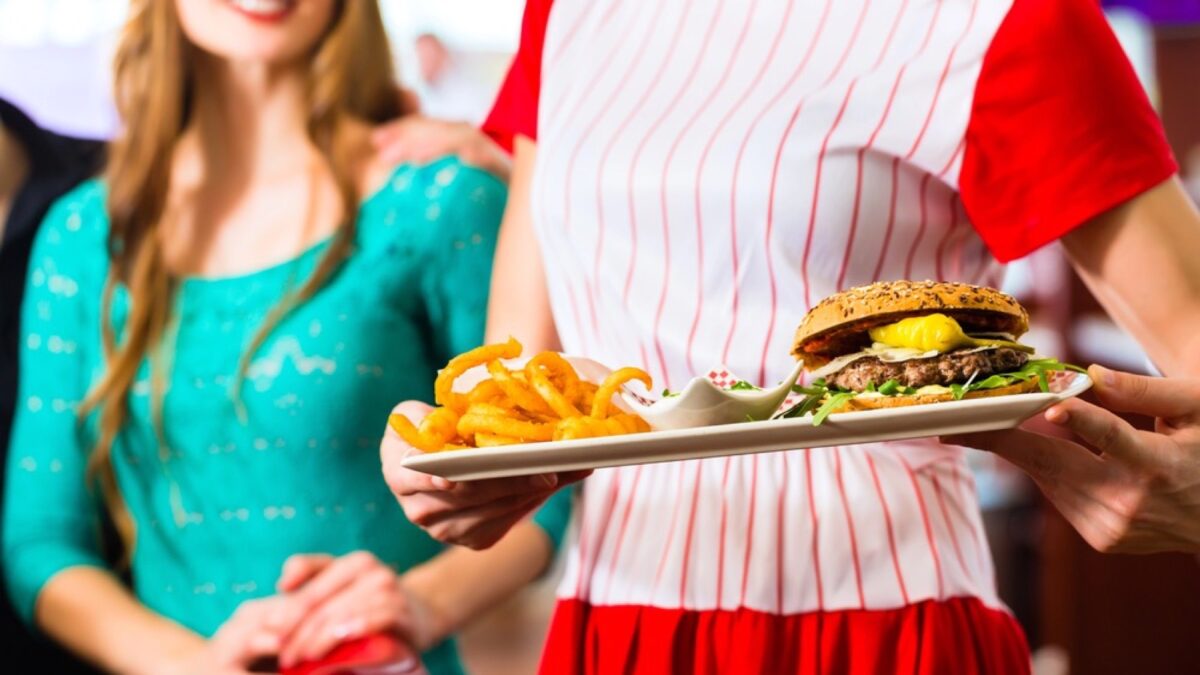
The Prices Were Unbelievably Low
Boomers often marvel at how cheap fast food used to be. When Ray Kroc opened his first McDonald’s franchise in 1955, a hamburger famously cost just 15 cents, a detail often noted in histories of the chain such as Britannica’s. A family could eat well for just a few dollars.
Of course, wages were lower back then too, and inflation has changed the value of money. But many boomers still feel that fast food was a better deal in their youth. Today, a meal for a family of four at a fast-food restaurant can easily cost more than a home-cooked dinner.
Carhops and Drive-Ins
In the 1950s and 1960s, many fast-food restaurants were drive-ins with carhops. Waitresses, sometimes on roller skates, brought trays of food right to customers’ car windows. A&W root beer stands and Sonic drive-ins were famous for this style of service.
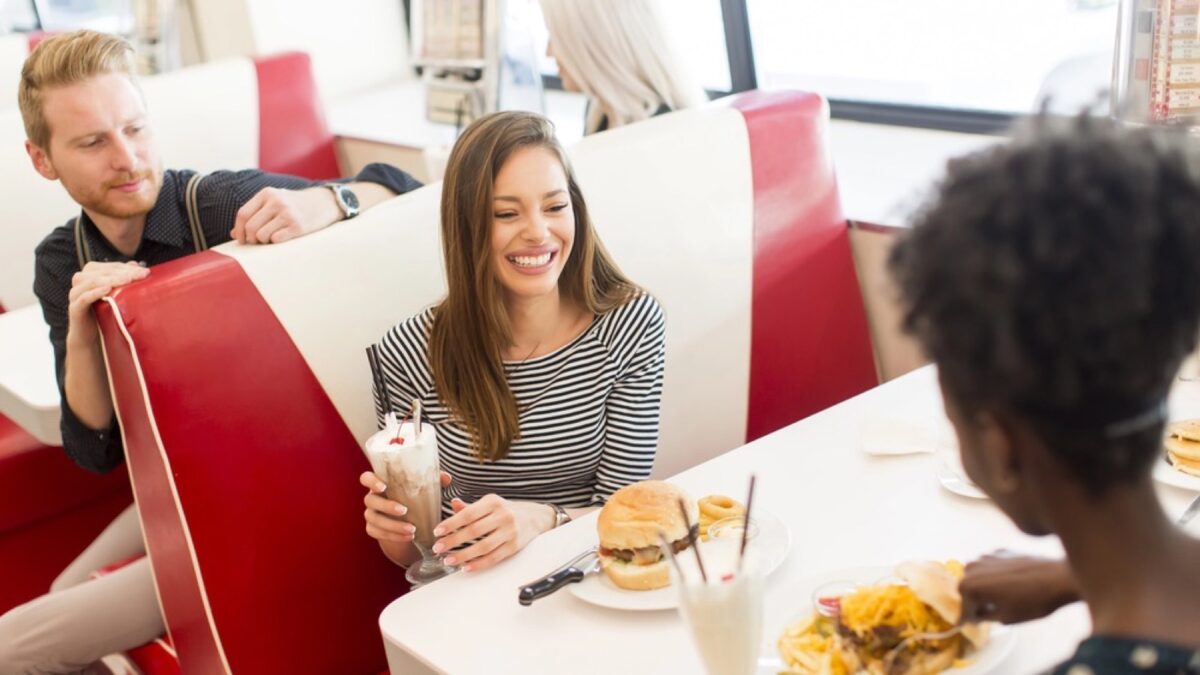
Teenagers loved hanging out at drive-ins on Friday and Saturday nights. It was a social scene as much as a place to eat. While Sonic still offers carhop service, most fast-food restaurants have replaced it with drive-thru windows.
The Menus Were Simple
Early fast-food menus were short and simple. McDonald’s originally offered hamburgers, cheeseburgers, fries, shakes, and soft drinks. There was no need to spend time deciding what to order.
Today’s menus are packed with dozens of items, limited-time offers, and customizable options. Many boomers find the choices overwhelming. They miss the days when you could walk up to the counter and order without a second thought.
Real People Took Your Order
Boomers remember walking up to a counter and ordering from a person who smiled and said thank you. The staff often knew regular customers by name. It was a friendly, personal experience.
Today, many restaurants use touchscreen kiosks and mobile apps. While these can be convenient, many boomers find them impersonal and confusing. Some chains, as Crafting Your Home has reported, are now bringing the human touch back, and customers are noticing.
Restaurants Were Destinations
In the early days, fast-food restaurants were destinations, not just quick stops. Families went out for dinner at a burger stand, and teenagers gathered there with friends. Restaurants like Howard Johnson’s, with its famous orange roof and 28 ice cream flavors, were landmarks along highways.
Howard Johnson’s was once one of the largest restaurant chains in America. Its last remaining restaurant, in Lake George, New York, closed in 2022, ending an era. For many boomers, it represented the excitement of family road trips.
The Food Tasted Different
Many boomers believe fast food simply tasted better in their youth. McDonald’s fries, for example, were cooked in a blend that was mostly beef tallow until 1990, giving them a rich flavor. Burgers were made fresh on the grill, and shakes were made with real ice cream.
Changes in ingredients, cooking methods, and food production have altered the taste of many fast-food items. While some changes were made for health reasons, many boomers still miss the original flavors.
Fast Food Was a Treat
Perhaps the biggest difference is how often people ate fast food. For many boomer families, eating out was a special occasion, not a daily habit. A trip to the burger stand was something to look forward to.
Today, fast food is part of everyday life for many Americans. The novelty has worn off, and with it, some of the magic. Boomers remember when a simple burger felt like a celebration.
Can Fast Food Feel Like That Again?
Some restaurants are trying to recapture the magic of the past. Retro-themed diners and drive-ins have popped up in towns across the country, serving classic burgers, fries, and shakes with a nostalgic atmosphere. Some even feature carhops and vintage décor.
Many fast-food chains have also leaned into nostalgia. They bring back old logos, retro packaging, and limited-time menu items to appeal to customers who remember the early days. These efforts often generate excitement, especially among boomers.
For many boomers, though, the real magic was never just the food. It was the feeling of being young, spending time with friends, and enjoying a treat that felt special. That feeling is part of what makes the things only people who grew up in that era understand so meaningful to them. Sharing those stories with younger family members is one way to keep those memories alive, and it can make a trip to a modern drive-thru feel a little more special.
Many boomers also remember fast food as a place where they earned their first paycheck. Flipping burgers, running the register, or serving as a carhop taught responsibility and teamwork, and those first jobs often come up when they talk about the restaurants of their youth.
The Memories Live On
The fast-food restaurants of the 1950s and 1960s may be gone, but the memories remain. Boomers remember the drive-ins, the carhops, the cheap burgers, and the excitement of eating out with family and friends. Those memories are a big part of why they feel nostalgic today.
Next time you pass a retro drive-in, stop for a burger and a shake. It is one of the easiest ways to taste a little of the past.