Why McDonald’s Fries Tasted Different Before 1990
If you’re over 45, you may have said it yourself: McDonald’s fries just don’t taste like they used to. Maybe you’ve wondered if it’s simply nostalgia playing tricks on you, the way every childhood treat seems better in memory. But in this case, there’s a real reason behind that feeling.
The fries really did change. In 1990, McDonald’s quietly altered the recipe for one of the most famous foods in the world, and people who grew up eating the originals have been talking about it ever since. Even one of America’s most beloved chefs went on television to complain.
The story involves a secret blend of fat, a determined businessman who spent a fortune on newspaper ads and a lawsuit that surprised millions of customers. Here’s why McDonald’s fries tasted different before 1990, and what happened to the original recipe.
The Original Recipe
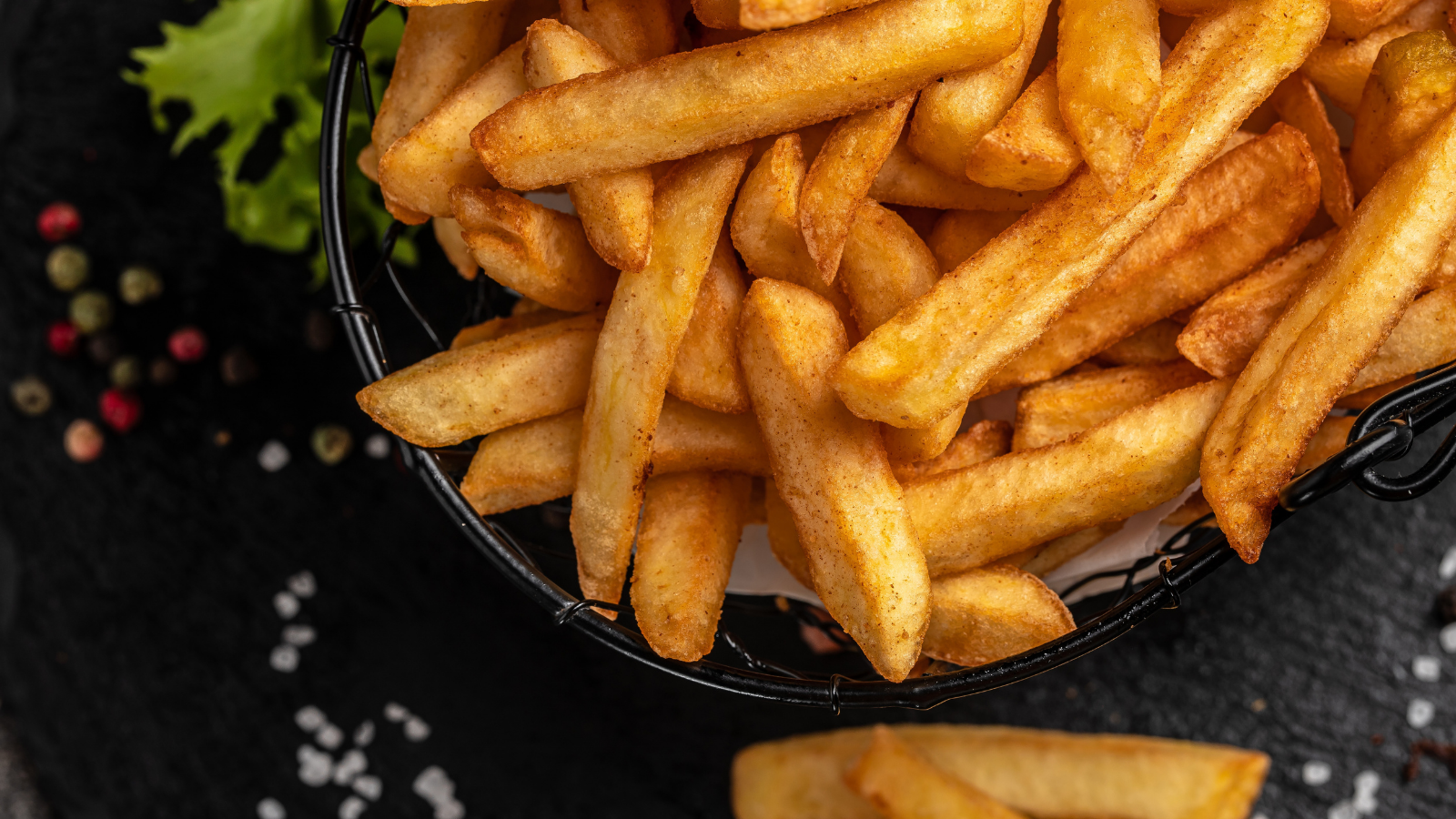
From the early days of the chain, McDonald’s fries were cooked in a blend that was mostly beef fat, also known as beef tallow. According to Food Republic, the mix was about 93% beef tallow and 7% cottonseed oil, a recipe that became known as Formula 47.
That beef tallow is what gave the fries their distinctive flavor. It added a rich, savory taste and a crisp exterior that many people still describe as the best fry they ever had. The fat also helped the fries brown beautifully, giving them that golden look that became part of the McDonald’s brand.
Why the Fries Became Famous
Ray Kroc, the businessman who built McDonald’s into a national chain, was obsessed with the fries. He wanted them to taste the same in every restaurant, and the company developed careful methods for storing, cutting and cooking potatoes. Fries became one of the chain’s biggest draws.
For generations of baby boomers and Gen Xers, those fries were the highlight of a trip to McDonald’s. Kids ate them in the back seat of the station wagon, salty fingers and all. Many people say no other fast-food chain could match them, and that reputation helped make McDonald’s the giant it is today.
The Man Who Took On McDonald’s
The change started with a Nebraska businessman named Phil Sokolof. After a heart attack in his 40s, he became passionate about cutting saturated fat in American food. He spent millions of dollars of his own money on a public campaign targeting fast-food companies and food manufacturers.
Sokolof ran full-page newspaper ads across the country criticizing the fat content of popular foods. One of his targets was McDonald’s, with ads blasting the chain for its high-fat menu, including the beef tallow used to cook its fries. The ads generated enormous attention, and McDonald’s faced growing pressure to respond.
The Switch in 1990
In 1990, McDonald’s announced it would stop cooking its fries in beef tallow and switch to vegetable oil. The move was presented as a response to customer concerns about fat and cholesterol at the time. Other fast-food chains made similar changes around the same period.
Customers noticed almost immediately. Many said the new fries tasted blander, less crispy and less satisfying. To try to recapture some of the old taste, McDonald’s added a “natural beef flavor” to the oil used to prepare its fries. But for many longtime fans, the fries were never quite the same.
Julia Child Weighed In
Some of the most famous criticism came from Julia Child, the legendary cook and TV personality. Food Republic notes that in 1995, she said on television that McDonald’s fries had become “kind of limp” since the change. Coming from Julia Child, that was quite a statement.
She wasn’t alone. Food writers, chefs and ordinary customers have long argued that the beef tallow version was superior. Some restaurants and home cooks have even returned to frying in beef fat in recent years, partly out of nostalgia for that classic McDonald’s flavor.
The Lawsuit That Surprised Customers
The story took another twist in 2001. Many vegetarians and Hindus, who avoid beef for religious reasons, had assumed McDonald’s fries were vegetarian after the switch to vegetable oil. Then they learned about the natural beef flavoring added during processing.
Lawsuits followed, and McDonald’s eventually paid about $10 million in settlements, according to Food Republic. The company apologized for not being clearer about the ingredients. The episode surprised a lot of customers who had no idea there was any beef connection left in the fries at all.
Another Oil Change
The fries changed again in the 2000s. The vegetable oil McDonald’s had switched to in 1990 was partially hydrogenated, and concern grew over trans fats. As cities like New York moved to ban them in restaurants, McDonald’s switched to a new oil blend without trans fats.
Each change nudged the flavor and texture a little further from the original. That’s part of why people who remember the pre-1990 fries say today’s version doesn’t compare. Of course, younger customers who never tasted the tallow version simply know McDonald’s fries as they are today.
Is It All Just Nostalgia?
Some of the difference people remember is surely nostalgia. Food eaten in childhood, during road trips and family outings, tends to carry a special glow. Memories of a happy day can make a simple box of fries taste better than it actually did.
But this is one case where the memory has a real basis. The fries were cooked in a different fat, and fat has a big impact on flavor. People who say the old fries tasted richer and more savory aren’t imagining it. There are plenty of other reasons people have soured on the chain over the years, too, as this look at why some Americans dislike McDonald’s shows.
Could the Old Fries Ever Return?
Every so often, fans start campaigns asking McDonald’s to bring back the beef tallow fries. Some chains and independent burger joints have returned to frying in beef fat to set themselves apart. The biggest example came in early 2025, when Steak ‘n Shake switched its shoestring fries to 100% beef tallow at its locations, a move QSR Magazine described as part of a wider tallow comeback in restaurants.
That change got plenty of attention, and it reopened the old debate about whether McDonald’s should follow. So far, McDonald’s has stuck with its current recipe, and the company hasn’t announced any plans to return to the original formula.
For now, the original fries live on in memory. Do you remember McDonald’s fries from before 1990? Do you think they really tasted better, or is it just nostalgia talking?