Why More Women Are Choosing Life on Their Own: 15 Reasons Behind the Shift
There was a time when many women were raised to believe marriage was one of life’s most important milestones. Finding a husband, starting a family, and building a home together were often treated as natural steps toward adulthood. Today, however, that picture looks different for many women.
Some are delaying marriage, others are leaving relationships that no longer make them happy, and many are discovering that living independently can offer a sense of freedom they genuinely enjoy.
This doesn’t mean women have stopped believing in love or companionship. Many still want meaningful relationships, but they are increasingly unwilling to sacrifice their happiness simply to avoid being alone.
Some women never intended to remain single but found themselves navigating changing circumstances, disappointing relationships, and shifting priorities as they grew older.
So why do some women end up living on their own? The explanations are rarely identical, but these 15 perspectives offer a closer look.
They No Longer Feel Pressured to Marry
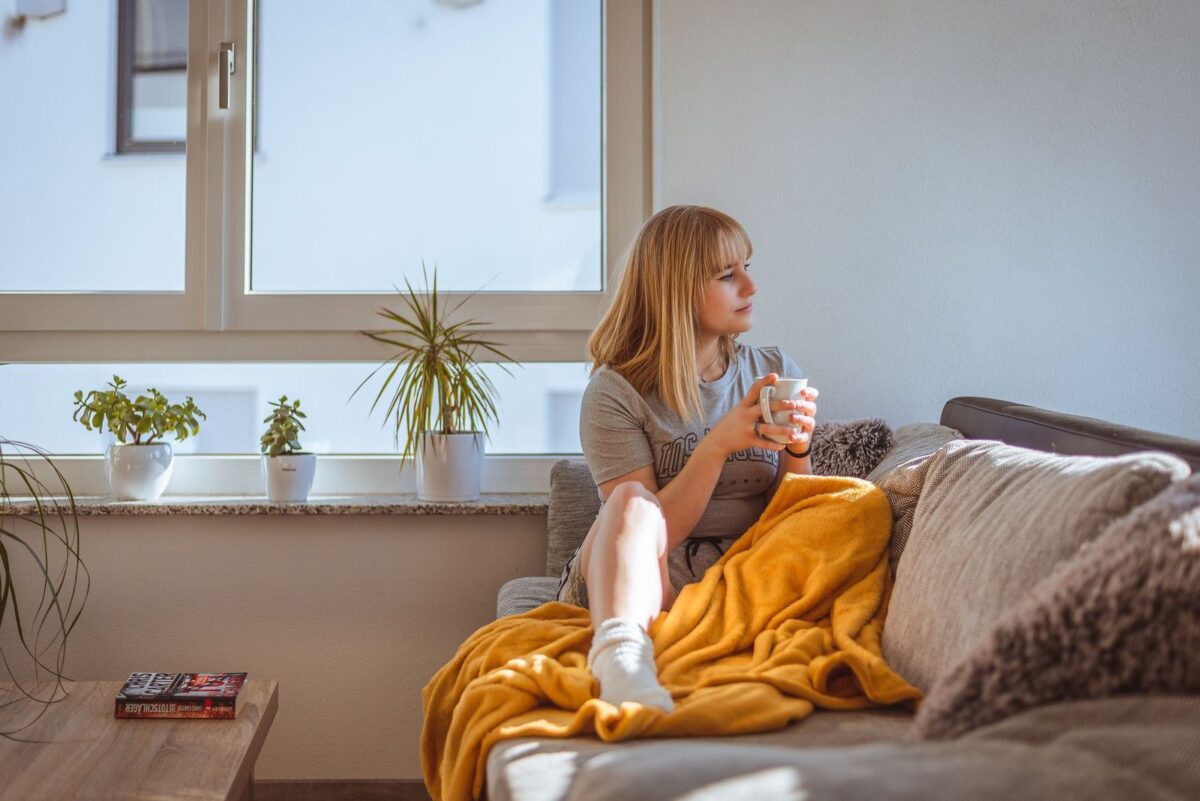
For generations, marriage was often presented as an expected part of a woman’s future.
Remaining unmarried could attract uncomfortable questions from relatives, friends, and even strangers.
That pressure has changed for many women. They increasingly feel comfortable making personal decisions about relationships without following a predetermined timeline.
Some would rather remain single than marry simply because everyone around them expects it.
Related: 9 Reasons Men Don’t Approach Women They Like
Financial Independence Has Changed Their Choices
Being able to support themselves gives many women greater control over their personal lives.
A woman with a stable income can decide where she lives, how she spends her money, and what kind of relationship she wants.
Marriage may still appeal to her, but financial security means she doesn’t necessarily need a partner to maintain her lifestyle.
This can make her more selective about the relationships she enters.
They Have Experienced Disappointing Relationships
Past relationships can influence how people approach future commitments.
A woman who has experienced repeated dishonesty, broken promises, or emotional disappointment may become more cautious about dating.
She might decide that taking time away from relationships is better than repeatedly entering situations that leave her unhappy.
This doesn’t mean she has given up on love. Sometimes, it means she’s become more careful about who she lets into her life.
They Are Unwilling to Carry an Unequal Share of Household Responsibilities
For some women, marriage becomes less attractive when they expect to manage most household responsibilities.
Cooking, cleaning, childcare, scheduling appointments, and remembering everyday family needs can become exhausting when responsibilities aren’t shared fairly.
Some women would rather live alone than enter a relationship where they feel they must take care of another adult in addition to themselves.
An equal partnership can significantly change how people view marriage.
They Value Their Personal Freedom
Living alone can offer a level of independence that some women genuinely enjoy.
They can organize their schedules, decorate their homes, travel, pursue hobbies, and make everyday decisions without coordinating everything with another person.
This doesn’t mean they dislike companionship.
It simply means they appreciate having control over their personal space and daily routines.
For some, the freedom of independent living is something they are reluctant to give up without finding a relationship that genuinely adds to their lives.
Their Expectations About Relationships Have Changed
Many women no longer judge a relationship solely by whether someone is willing to get married.
They may also consider emotional availability, communication, shared values, financial responsibility, and mutual respect.
A relationship can look attractive from the outside but feel exhausting behind closed doors.
As expectations change, some women become less willing to overlook incompatibilities simply to maintain a relationship.
Related: 11 Little Things Couples Fight About That Are Never Really Little
They Have Become Comfortable Spending Time Alone
Being alone and feeling lonely are not necessarily the same experience.
Some women discover that they genuinely enjoy their own company.
They might enjoy reading, cooking, watching movies, traveling, or spending quiet evenings at home without feeling that something is missing.
Becoming comfortable with solitude can reduce the pressure to enter relationships simply for companionship.
Dating Can Feel Emotionally Exhausting
Modern dating offers more ways to meet people, but it also creates new challenges.
Dating applications, inconsistent communication, unclear intentions, and repeated disappointments can make finding a compatible partner feel difficult.
Some women become tired of conversations that never develop into meaningful relationships.
Taking a break from dating can become an appealing alternative to constantly navigating uncertainty.
They Are Prioritizing Their Careers and Personal Goals
Career development can influence when and whether someone chooses to settle down.
Some women dedicate significant time to education, professional advancement, business ownership, or personal projects.
Their priorities may not align with the traditional expectation of marrying at a particular age.
Others simply prefer to establish a stable personal and professional life before considering a serious relationship.
For these women, being single is not necessarily a temporary problem. It may be a deliberate lifestyle choice.
They Have Seen Unhappy Marriages Up Close
Family experiences can influence how people view long-term relationships.
A woman who grew up watching constant arguments, unresolved conflicts, or an unhappy marriage may approach commitment cautiously.
She might worry about repeating patterns she witnessed during childhood.
Of course, not every person from an unhappy household develops the same attitudes toward marriage. Some build very healthy relationships themselves.
Still, early experiences can shape expectations about what a partnership should look like.
They Are Less Willing to Ignore Disrespect
Some women become more selective after experiencing relationships where their boundaries were repeatedly ignored.
They may decide that dishonesty, controlling behavior, humiliation, or persistent disrespect are unacceptable.
Rather than remaining in an unhealthy relationship because of social expectations, they may choose to leave.
This can sometimes mean spending a considerable period alone while rebuilding confidence and deciding what they want from future relationships.
They Want Emotional Compatibility, Not Just a Wedding
Getting married and building a fulfilling marriage are two different things.
Some women want a partner they can communicate with openly, share responsibilities with, discuss difficult subjects with, and feel emotionally supported by.
They may have opportunities to marry but choose against relationships where those qualities seem missing.
For them, the goal isn’t simply to become someone’s wife. It is to build a partnership that feels meaningful and sustainable.
Their Social Lives No Longer Depend on Romantic Relationships
Friendships, family connections, professional networks, and community activities can provide meaningful companionship.
Some women have built strong social circles that let them enjoy life without relying entirely on a romantic partner.
They can celebrate milestones, travel with friends, attend events, and find support during difficult periods.
A romantic relationship may still be welcome, but it is no longer the only source of connection in their lives.
They Have Become More Selective With Age
As people grow older, their understanding of relationships often changes.
A woman in her 40s or 50s may approach dating differently from how she did in her twenties.
She may have a clearer understanding of her values, lifestyle preferences, financial expectations, and emotional needs.
She may also have established routines and responsibilities that make certain relationships less appealing.
Rather than accepting a partnership simply because someone is available, she may prefer to wait for genuine compatibility.
They Have Discovered That a Fulfilling Life Doesn’t Require Marriage
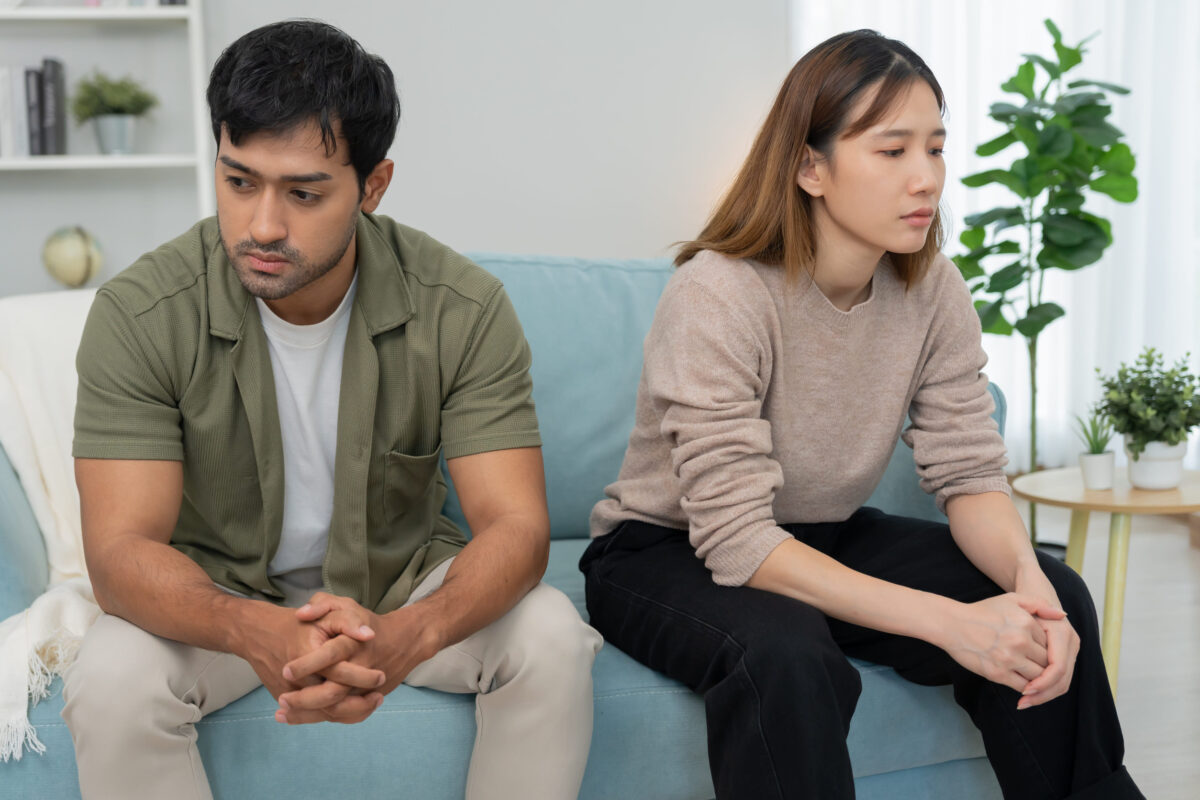
Perhaps the biggest change is that more women are questioning the idea that marriage is necessary for a complete and meaningful life.
Some find fulfillment through raising children, building careers, maintaining friendships, supporting relatives, pursuing interests, or simply enjoying their independence.
Others remain open to marriage but refuse to treat it as the ultimate measure of personal success.
Being single can come with challenges, including loneliness, financial responsibilities, and the absence of a romantic partner’s support. However, those challenges don’t automatically make marriage the better choice for everyone.
For some women, living independently is a satisfying decision rather than a situation they need to escape.
Related: 8 Hidden Habits That Quietly Push Your Wife Away
Is Being Single Becoming a Choice Rather Than a Circumstance?
The reasons women remain single are more complicated than simply not finding someone.
Some are enjoying their independence. Others are recovering from difficult relationships, focusing on their careers, raising children, or waiting for a compatible partner.
Some women would genuinely love to marry but haven’t met someone they want to build a life with.
Perhaps the most important distinction is that being single doesn’t tell us whether someone is happy, lonely, successful, disappointed, or hopeful about the future.
Marriage can be wonderful when built on mutual respect and commitment. Living alone can also be fulfilling when it reflects someone’s preferences and circumstances.
Neither path should automatically be treated as a failure.
Do you think more women are genuinely choosing to remain single, or have changing expectations made it harder to find a compatible partner?