Your Favorite Comfort Foods Are Getting a Fun Makeover, and Restaurant Menus Are Better for It
That grilled cheese, burger, bowl of noodles, or plate of fries may look familiar, but restaurants are increasingly giving comfort-food staples a more playful, chef-driven twist. The result is a wave of menus that lean into nostalgia without simply repeating the meals diners already make at home.
Comfort Food Is the Starting Point, Not the Whole Story
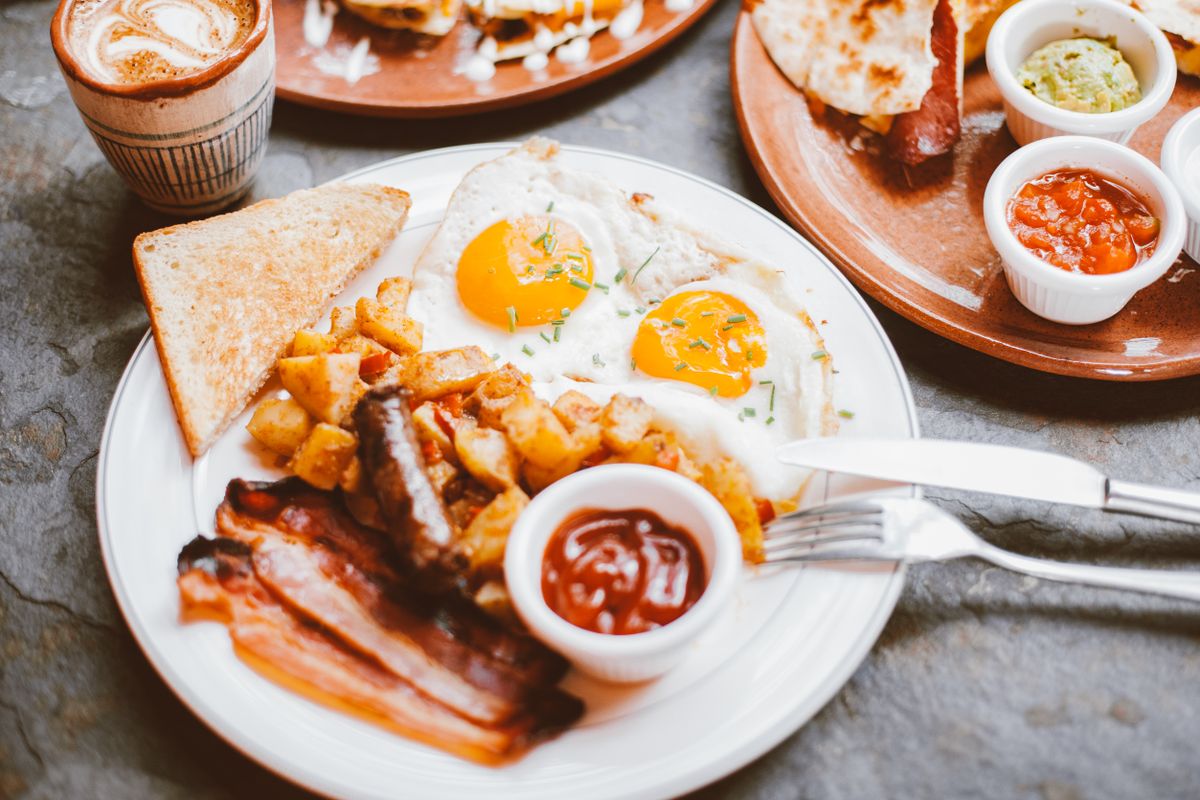
Restaurant menus are becoming more playful because familiar foods offer an easy emotional entry point for diners. A burger, a bowl of soup, chicken and waffles, fries, or instant noodles already comes with built-in recognition, giving chefs room to add unexpected flavors, different textures, and more polished techniques without asking guests to take a total leap of faith.
The National Restaurant Association’s 2026 culinary forecast puts comfort foods, value and nostalgia at the center of the restaurant conversation. Its survey of hundreds of culinary professionals identified familiar classics such as soups, stews and burgers as major menu drivers, alongside global comfort foods, smash burgers and elevated instant noodles. The association describes the larger mood as a mix of nostalgia, comfort and “flavor escapism.”
“Comfort and value are the twin pillars shaping America’s menus right now,” Dr. Chad Moutray, chief economist for the National Restaurant Association, said in the organization’s forecast. “Consumers are seeking meals that deliver joy and familiarity without breaking the bank, and operators are meeting that ask with creative takes on comfort classics and sourcing local ingredients that make healthy choices easy.”
That helps explain why a restaurant can put a smashed-burger taco, Caribbean curry bowl, or upgraded ramen on a menu and still make the dish feel approachable. The names may sound more adventurous than a basic diner lunch, but the core idea stays the same: a crispy burger, a warming bowl, or a quick noodle meal that feels satisfying after a long day.
Familiar Foods Give Chefs Permission to Have Fun
The appeal is not only about looking backward. Familiarity gives chefs a framework for building something new, whether that means adding a regional flavor profile, using a less expected cut of meat, changing the presentation, or applying fine-dining technique to a casual favorite. A playful comfort-food dish works best when the reference point is clear enough that diners understand the joke, or at least the craving, before the first bite.
Alex Harrell,chef and owner of Angeline in New Orleans, described the formula as bringing diners back to flavors they know while raising the level of care behind them. “It’s bringing people back to things they ate at home and flavors they know,” Harrell said. “But you’re seeing the ideas of tacos, hot pockets, and fried bologna sandwiches being elevated. There’s more care and craft going into them, yet there are elements people can recognize.”
That balance is crucial. Restaurants are not necessarily trying to make every classic unrecognizable; they are using the emotional shorthand of comfort food to introduce a surprise. At Angeline, Harrell cited a dish built around braised oxtail, rye-flour gnocchi, pickled onion, and marinated cabbage that nods to Reuben flavors while becoming something entirely different from a deli sandwich.
Other chefs are getting similarly inventive without abandoning what made the original dish appealing. Ross Pangilinan, chef and owner of Mix Mix Kitchen Bar in Santa Ana, California, has used pork cheek in an adobo preparation, topping it with chimichurri and crispy shallots. His menu has also featured fries reimagined with Asian barbecue short rib, grilled kimchi, and whipped cheese sauce.
The playful part, then, is not random. It can come from a crunchy topping, a punchier sauce, a global ingredient, or a new format for a familiar dish. The diner still gets the comfort of fries, braised meat, or a sandwich-inspired flavor combination, but the meal gives them a reason to talk about it once it lands on the table.
Related: McDonald’s Plans $8.5 Billion Push to Modernize Restaurants Through 2036
Nostalgia Now Comes With Passport Stamps
Today’s comfort food is also more globally aware than the old meat-and-potatoes definition. The National Restaurant Association lists global comfort foods among its leading 2026 trends, describing them as reinterpreted homestyle dishes that combine authenticity with local influence. Its forecast points to Caribbean curry bowls, globally inspired smash burgers and elevated instant noodles as examples of comfort taking a more expansive, flavor-forward form.
That shift reflects a diner who may want the ease of a familiar format but also wants a meal to feel special enough to justify going out. A bowl can be comforting, but it can also be built around Caribbean spices. A burger can still be crisp-edged and juicy, while the toppings take inspiration from another cuisine. Instant noodles can evoke a pantry staple while becoming a restaurant dish with more complex broth, customized ingredients, and a chef’s point of view.
At Saltine in Jackson, Mississippi, chef Enrique Diaz told Forbes he sees Southern comfort food being remixed through global influence, pointing to fried green tomatoes topped with blackened shrimp étouffée. Nocturno founder Arron Cappello summed up the consumer appetite: “Guests want familiar dishes executed with skill and a sense of fun.”
Menus are also leaning into this kind of creative reassurance for practical reasons. Diners are more mindful of value, according to the National Restaurant Association, so restaurants have to make a meal feel worth the price. A dish that is both comforting and clever can do some of that work: it feels dependable enough to order, interesting enough to remember and shareable enough to create buzz beyond the dining room.
The Best Versions Still Respect the Original
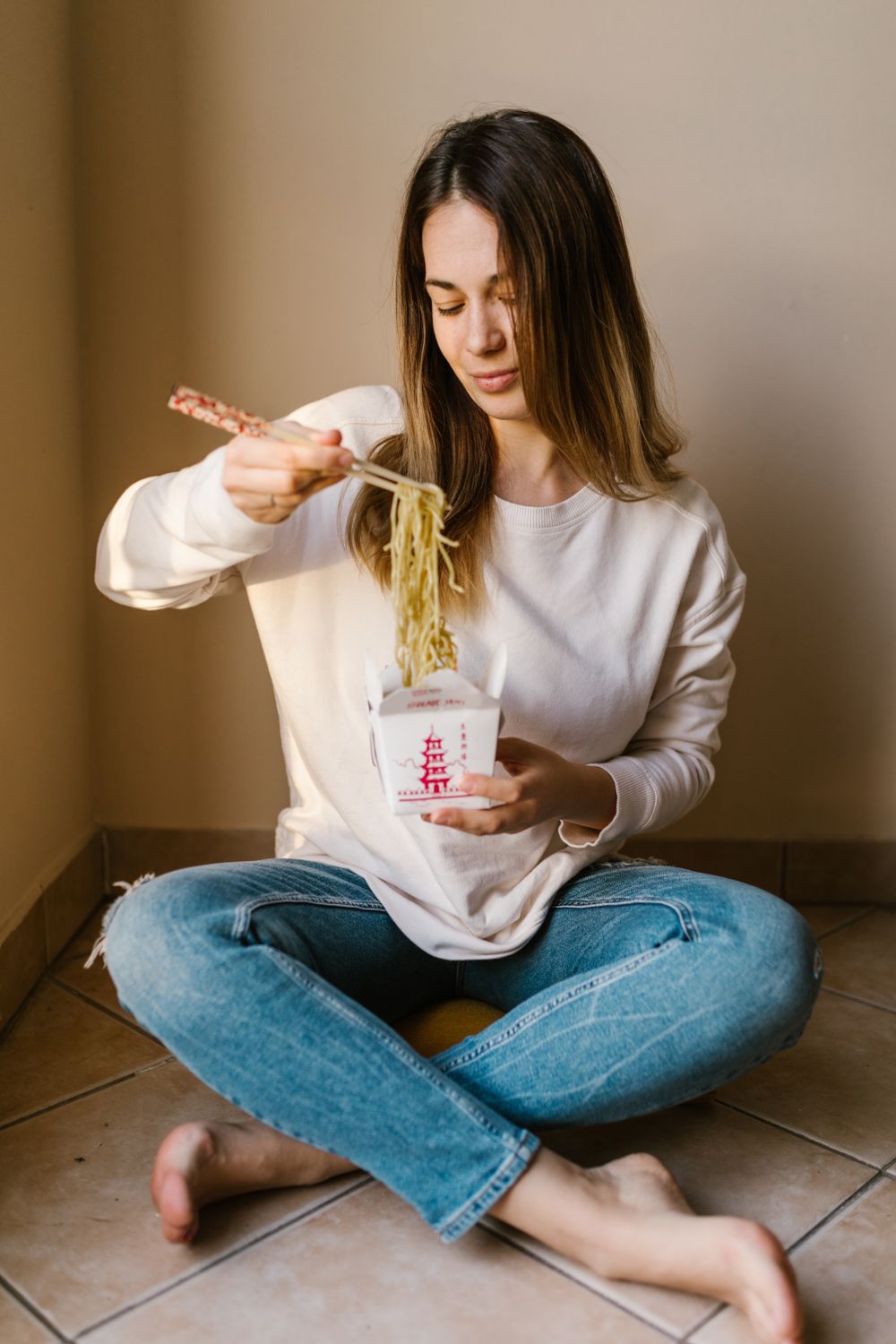
For all the wild-card toppings and mashups, the strongest playful comfort-food menus do not treat tradition as a punchline. They work because chefs preserve the heart of a dish, warmth, richness, crunch, nostalgia, or the feeling of being cared for, while giving it a fresh context.
Linton Hopkins, executive chef and CEO of Atlanta-based Resurgens Hospitality Group, told FSR that restaurants have to keep the conversation with guests active while holding onto the basics that matter. “Engage, but stick to your guns that certain fundamentals will never leave, like knowing where your food is from,” Hopkins said. “Customers are getting smarter and demanding more transparency.”
That is why the playful comfort-food trend is bigger than novelty for novelty’s sake. It is about a restaurant knowing exactly what people love about a classic dish, then finding a smart way to make it feel current, through better ingredients, sharper sourcing, thoughtful technique, or a flavor combination that turns a memory into a new favorite.
For diners, that means the menu gets more fun without becoming intimidating. The next time a burger shows up in taco form, fries arrive under a pile of barbecue short rib, or a bowl of noodles gets a restaurant-level upgrade, the point is not to erase comfort food. It is to remind us why we loved it in the first place.