10 Comfort Foods Americans Still Love Even When Prices Rise
When grocery prices climb, comfort food does not quietly leave the table. It digs in, pulls up a chair, and reminds us why some meals feel bigger than the receipt. Americans may compare brands, swap ingredients, buy in bulk, or skip restaurant versions, but many still protect the dishes that taste like home, childhood, Friday nights, church potlucks, rainy days, and family kitchens.
Food costs remain a real pressure point. The USDA Economic Research Service reported that food prices in March 2026 were 2.7 percent higher than in March 2025, with restaurant and foodservice prices up 3.8 percent and grocery prices up 1.9 percent over the same period. The agency also projected that overall food prices would rise 2.9 percent in 2026, so it makes sense that shoppers are now thinking twice before tossing familiar favorites into the cart. Still, comfort foods survive because they offer more than calories. They offer routine, memory, warmth, and a small feeling of control when everything else feels expensive.
Mac and Cheese
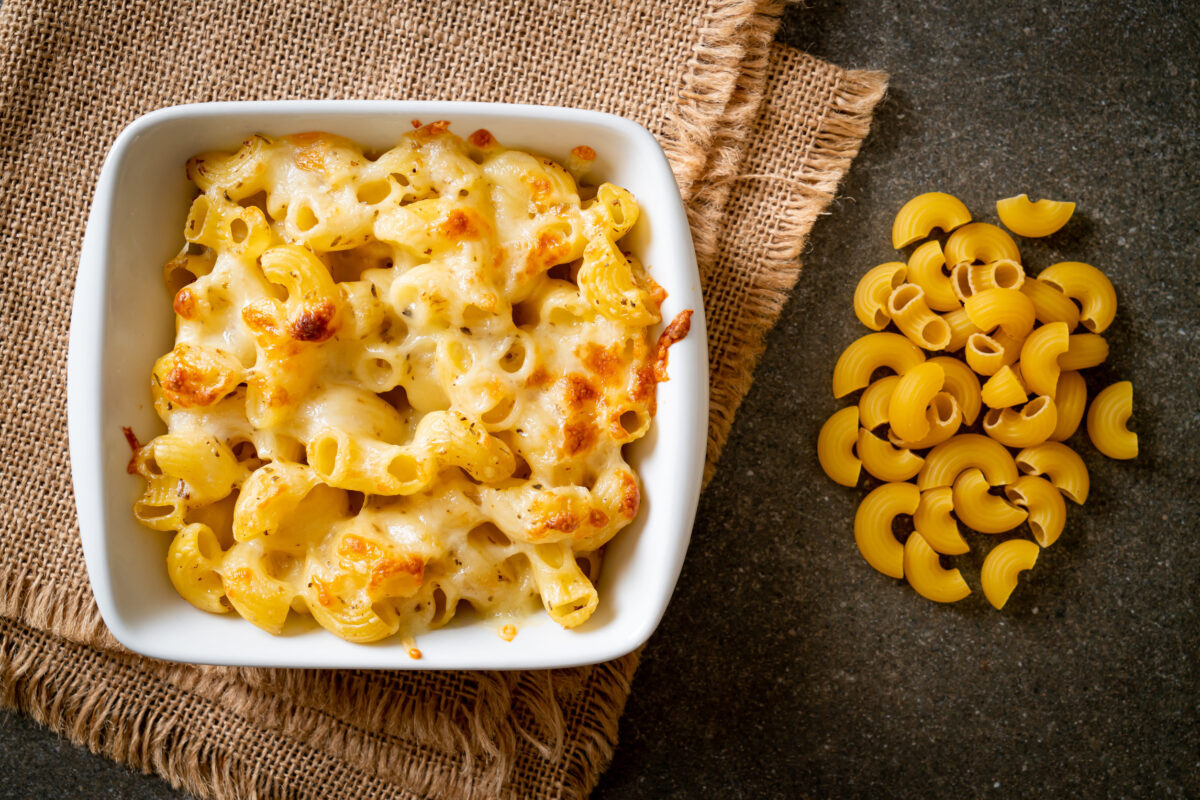
Mac and cheese remains one of America’s most dependable comfort foods because it delivers creamy satisfaction without demanding much from the cook. A box version still feels useful on tight nights, and homemade versions stretch easily with pasta, cheese, milk, butter, breadcrumbs, or whatever leftovers need saving. Even when cheese and dairy prices shift, families keep finding ways to make it work because the dish feels generous. It can feed children, college students, busy parents, and adults who just want something soft, warm, and familiar after a long day.
The magic sits in its simplicity. Mac and cheese does not pretend to be fancy, yet it can become fancy with smoked Gouda, lobster, bacon, jalapeños, or a golden baked crust. That flexibility keeps it alive during price hikes. People may buy store-brand pasta, use less cheese, or turn it into a casserole, but they rarely abandon it completely.
Fried Chicken

Fried chicken has a grip on American comfort culture that prices cannot easily break. It carries the crunch of a weekend meal, the smell of a family gathering, and the kind of satisfaction that makes people pause after the first bite. Even when restaurant chicken costs more, many households still crave it enough to cook it at home, order it for special occasions, or choose it as a treat meal.
Part of its staying power comes from how celebratory it feels. Fried chicken turns an ordinary table into an event, especially when it arrives with biscuits, coleslaw, mashed potatoes, or hot sauce. Families may buy smaller packs, use thighs instead of breasts, or save it for Sundays, but the craving stays strong. A crispy piece of chicken still feels like comfort with a backbone.
Mashed Potatoes
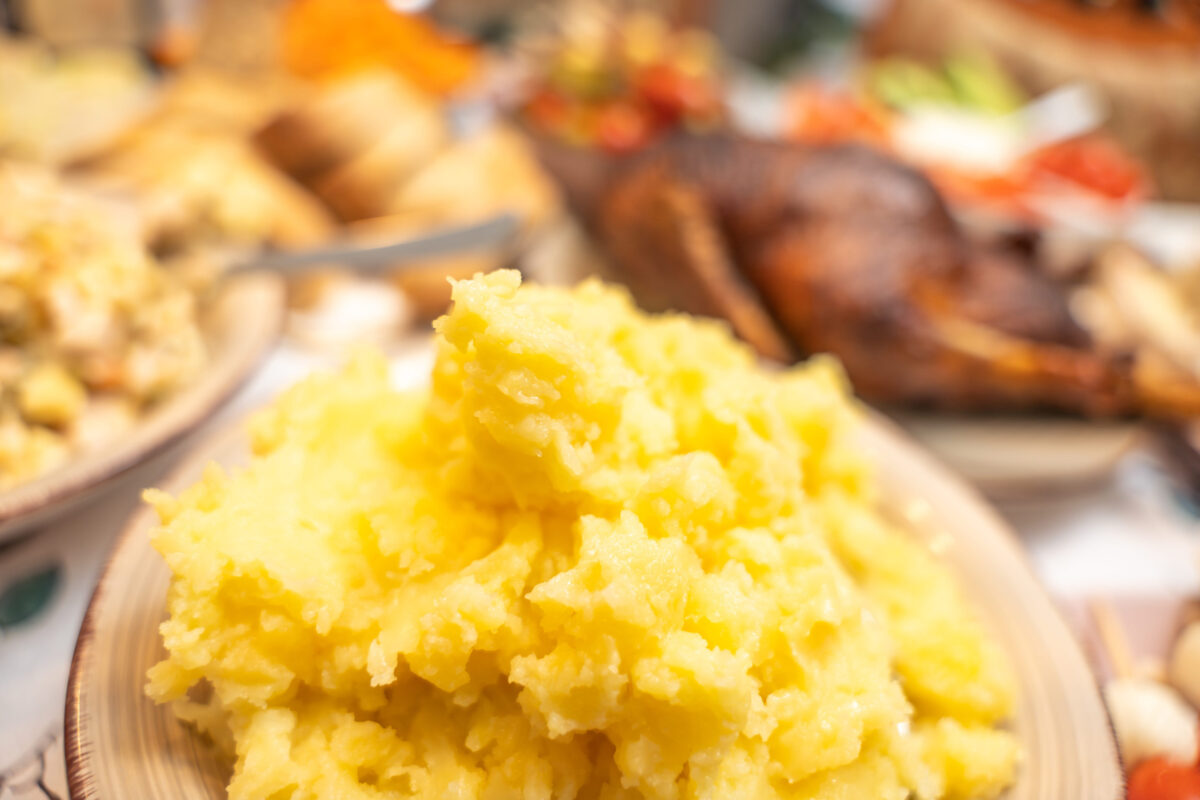
Mashed potatoes prove that comfort does not need to shout. They sit quietly beside roasted meat, fried chicken, meatloaf, or holiday turkey, then somehow steal the emotional spotlight. Their soft texture and buttery flavor make them the food equivalent of a warm blanket. Even during expensive grocery weeks, potatoes still feel like a practical way to fill plates and calm appetites.
Americans keep loving mashed potatoes because they offer instant nostalgia. Some people like them whipped smooth, others prefer them rustic with skins, garlic, cream cheese, sour cream, gravy, or cheddar. They can stretch a meal without making it feel cheap. That is why mashed potatoes remain a comfort-food hero when budgets tighten.
Pizza
Pizza is one of the rare comfort foods that works for nearly every mood. It can be a quick frozen dinner, a homemade sheet-pan project, a delivery splurge, a game-day centerpiece, or a leftover breakfast with zero shame attached. When prices rise, Americans may order fewer extras or choose carryout deals, but pizza still holds its place because it solves dinner and lifts the mood at the same time.
The appeal comes from shared pleasure. Pizza lands in the middle of the table and instantly makes a meal feel casual, social, and easy. Cheese, sauce, crust, pepperoni, vegetables, sausage, or pineapple debates all become part of the ritual. Even when families cut back on delivery, they still recreate the experience at home with store-bought dough and shredded cheese.
Chili
Chili survives rising prices because it knows how to stretch. A pot of chili can turn beans, ground meat, tomatoes, spices, onions, and leftovers into several meals without feeling repetitive. It works for football nights, cold evenings, potlucks, and meal prep. When beef prices climb, many cooks simply add more beans, use turkey, skip meat, or bulk it up with vegetables.
That adaptability gives chili real staying power. It can be mild, smoky, spicy, sweet, thick, soupy, loaded with toppings, or served over rice, cornbread, fries, or hot dogs. It also tastes better the next day, which makes it feel even more budget-friendly. In a pricey food climate, chili does what comfort food should do. It fills the pot, feeds the room, and leaves people satisfied.
Grilled Cheese and Tomato Soup
Grilled cheese and tomato soup remain beloved because they understand the assignment. They are warm, cheap-ish, fast, nostalgic, and deeply satisfying in a way that feels almost unfair for such simple ingredients. Bread, cheese, butter, and soup can still make a meal feel gentle and complete. Even when shoppers watch prices closely, this pairing often stays within reach.
The emotional pull is strong. Many Americans connect it with childhood lunches, snow days, school cafeterias, or a parent standing at the stove. Adults may upgrade it with sourdough, sharp cheddar, mozzarella, pesto, roasted tomatoes, or creamy tomato bisque, but the heart of the meal stays the same. It is comfort without drama, and that makes it hard to give up.
Meatloaf
Meatloaf has always been a budget-minded comfort food, which explains why it keeps returning when prices rise. It was built for stretching meat with breadcrumbs, eggs, onions, seasonings, ketchup, and whatever else a household had on hand. That practical spirit still matters today. Families can use beef, turkey, pork, lentils, mushrooms, or a blend to make the dish fit the budget.
Its charm comes from its old-school honesty. Meatloaf does not chase trends. It shows up thick, savory, and dependable, usually beside mashed potatoes or green beans. It also gives excellent leftovers, especially in sandwiches the next day. When food costs feel annoying, meatloaf reminds people that comfort can be resourceful without feeling bare.
Pancakes
Pancakes remain a comfort-food favorite because they turn basic pantry items into something that feels cheerful. Flour, eggs, milk, baking powder, and a little sugar can become breakfast, dinner, or a late-night treat. Even when eggs or dairy jump in price, many people still keep pancakes in rotation because the dish feels more affordable than a restaurant brunch.
The joy comes from the ritual. The batter, the sizzling pan, the first imperfect pancake, the butter melting into the stack, and the syrup sliding down the sides all create a small celebration. Families can add bananas, chocolate chips, blueberries, cinnamon, peanut butter, or whipped cream. Pancakes make ordinary mornings feel softer, and that matters when life feels expensive.
Chicken Noodle Soup
Chicken noodle soup carries a reputation that goes beyond taste. Americans reach for it when they feel sick, tired, cold, homesick, or emotionally worn out. It feels like care in a bowl. Even when chicken costs more, many households still make soup because it stretches ingredients beautifully. A small amount of chicken can flavor broth, noodles, carrots, celery, onions, and herbs.
Its comfort comes from warmth and familiarity. Canned versions offer convenience, homemade versions offer depth, and both can feel soothing in the right moment. Chicken noodle soup also respects leftovers better than almost any dish. A roast chicken carcass, extra vegetables, or leftover noodles can find new life in the pot. That thriftiness keeps it loved during price pressure.
Burgers

Burgers remain an American comfort-food classic because they deliver instant satisfaction. Even when beef prices rise, people still crave the combination of a hot patty, soft bun, melted cheese, pickles, sauce, lettuce, tomato, and fries on the side. Some families respond by making burgers at home instead of eating out. Others use smaller patties, ground turkey, black beans, mushrooms, or lentils.
The burger stays popular because it feels personal. Everyone has a preferred version, from diner-style smash burgers to backyard grilled cheeseburgers to fast-food favorites. It is casual, customizable, and tied to road trips, cookouts, sports nights, and summer evenings. Prices may change, but the craving for a good burger remains stubbornly American.
Conclusion
Comfort foods survive rising prices because they do more than fill the stomach. They carry memory, ease, identity, and emotional relief. Americans may adjust recipes, shop smarter, choose store brands, cook at home more often, or reserve certain dishes for treat nights, but they rarely abandon the foods that make life feel familiar.
That is the real power of mac and cheese, fried chicken, pizza, chili, pancakes, burgers, and the rest of the comfort-food lineup. They adapt. They stretch. They forgive substitutions. Most of all, they remind people that even when the grocery bill feels heavier, a warm plate can still make the day feel lighter.