10 Everyday Habits That Could Quietly Raise Your Cancer Risk
Cancer is one of those words people do not like to say out loud. It feels heavy, frightening, and far away until a diagnosis lands close to home. Then ordinary life starts looking different, from what sits on the dinner plate to how often we move, sleep, drink, and protect our skin.
The scary part is that cancer risk is not shaped by one dramatic mistake. In many cases, it is influenced by patterns that repeat quietly for years. A little too much sun, too many processed meals, too much sitting, too many drinks, and too many ignored checkups can all add pressure to the body over time.
No single habit guarantees cancer, and nobody should blame themselves for a disease that can be shaped by age, genes, environment, and plain bad luck. Still, some everyday choices are riskier than they look. The goal is not panic. It is awareness, because small changes made early can be powerful.
Eating Processed Meat Too Often

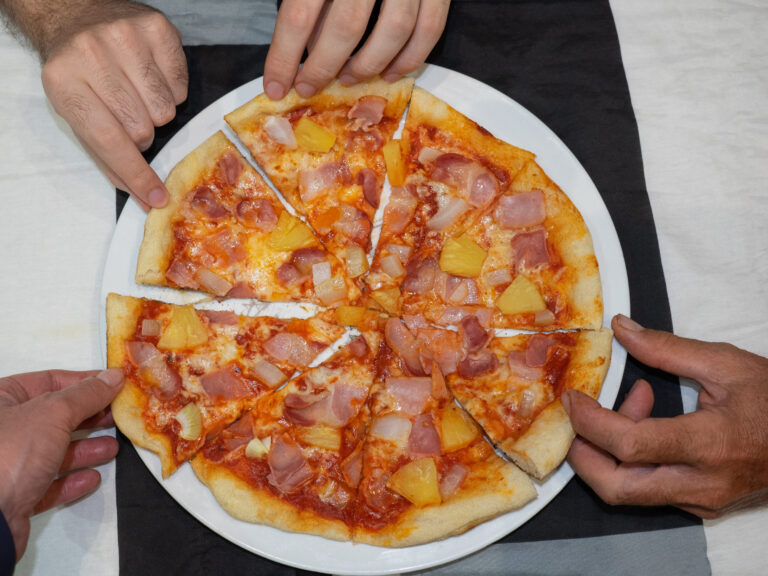
Bacon, hot dogs, sausages, deli meats, pepperoni, and smoked meats are easy to love because they are salty, fast, and familiar. They are also easy to overeat because they slip into breakfast sandwiches, packed lunches, pizza nights, cookouts, and quick snacks. That convenience is exactly why the habit can become a problem.
Processed meats have been strongly linked with colorectal cancer risk. The issue is not one holiday hot dog or one slice of bacon at brunch. The concern is the routine. Swapping in chicken, fish, beans, eggs, lentils, or fresh lean meats more often can lower the pressure without making food feel joyless.
Sitting for Most of the Day
Sitting can feel harmless because it does not look dangerous. Many people sit through work, sit in the car, sit during dinner, then sit again in front of the TV. The body, however, was not built to stay still for endless hours, and long stretches of inactivity can support weight gain, inflammation, and poor metabolic health.
The danger is how normal it feels. A person may exercise once or twice a week and still spend most of their waking hours barely moving. Walking during calls, stretching between tasks, taking stairs, and standing after meals may sound small, but these habits help break the pattern. Movement does not need to be dramatic to matter.
Treating Alcohol Like a Harmless Nightly Reward

Alcohol has a friendly image. It shows up at weddings, dinners, holidays, stressful workdays, and quiet nights when people say they just need to relax. That normal image can hide the health risk, especially because many people still think only heavy drinking is a problem.
The truth is less comforting. Alcohol has been linked to several cancers, including cancers of the mouth, throat, liver, breast, and colon. Cutting back does not require a dramatic speech or a total personality change. For many people, it starts with fewer drinking days, smaller pours, alcohol-free swaps, and a more honest look at why the glass keeps appearing.
Skipping Sunscreen Because the Weather Looks Fine
Sun damage does not always announce itself with a painful burn. It can build quietly during errands, school pickups, yard work, walking the dog, outdoor lunches, and cloudy days when people assume the sun is harmless. That is why skin protection is one of the easiest risks to underestimate.
UV exposure is a major skin cancer risk, and indoor tanning can make the danger worse. Sunscreen, hats, shade, sunglasses, and protective clothing may sound basic, but they work best when they become routine. The skin remembers more than people think, even when the day did not feel hot enough to worry about.
Letting Extra Weight Creep Up Without a Plan
Weight is a sensitive subject, and it should never be used to shame people. Bodies are shaped by stress, medication, income, sleep, hormones, environment, and access to healthy food. Still, excess body weight has been linked with a higher risk for several cancers, which makes it a health topic worth handling honestly.
The problem is that weight gain often happens quietly. A few extra snacks, less movement, poor sleep, and stress eating can slowly become the new normal. The goal is not crash dieting or punishment. It is building a steadier pattern with more fiber-rich foods, more movement, better sleep, and fewer ultra-processed meals.
Ignoring HPV Protection and Regular Screenings
Some cancer risks do not come from food, drinks, or exercise habits. Certain infections can raise cancer risk, too, and HPV is one of the most important examples. Many people hear about HPV and think only about one type of cancer, but it is linked to several cancers, including cervical, throat, anal, penile, vaginal, and vulvar cancers.
This is where prevention can be powerful. Vaccination, safer sexual health choices, and recommended screenings can catch problems early or reduce risk before disease develops. Many people avoid these conversations because they feel awkward, but awkward is better than silent. A short appointment can matter more than years of worry.
Breathing in Smoke, Even When You Are Not the Smoker
Smoking remains one of the clearest cancer risks, but secondhand smoke deserves attention too. People can breathe it in at home, in cars, at social gatherings, or around relatives who insist they are being careful. The smell may fade, but exposure still matters.
The frustrating part is that non-smokers can carry risk from someone else’s habit. Smoke-free homes and cars are not about being dramatic. They are basic protection. For smokers, quitting is one of the strongest health decisions available. For everyone around them, setting boundaries around smoke is not rude. It is necessary.
Living on Ultra-Processed Foods

Ultra-processed foods are everywhere because they are cheap, quick, tasty, and built for busy lives. Chips, packaged pastries, sugary cereals, instant meals, sodas, fast food, and frozen snacks can become the backbone of a diet without anyone planning it. The problem is not convenience once in a while. It is when convenience becomes the entire routine.
These foods often push out the things the body actually needs, such as vegetables, fruits, beans, whole grains, nuts, and other fiber-rich choices. A better diet does not need to look perfect or expensive. Adding more real food to the plate, cooking simple meals more often, and reducing sugary drinks can shift the pattern in a practical way.
Sleeping Poorly and Calling It Normal
Bad sleep has become a badge of honor for too many people. Work, parenting, stress, phones, late-night shows, and endless scrolling can keep the body awake long after it needs rest. Over time, poor sleep can affect hormones, immunity, appetite, and inflammation.
Sleep does not get the same attention as diet or exercise, but it belongs in the same conversation. A dark room, regular bedtime, fewer late-night screens, less alcohol before bed, and a calmer evening routine can help the body recover. People often treat sleep as leftover time. The body treats it as repair time.
Brushing Off Air Pollution and Chemical Exposure

Most people cannot control every particle they breathe or every chemical they encounter. Pollution, workplace exposures, cleaning products, fumes, pesticides, radon, and other environmental risks can be complicated because they often sit outside personal control. Still, pretending they do not matter is not a plan.
Practical steps can reduce some exposure. Ventilating rooms, testing homes for radon where recommended, using protective gear for risky jobs, avoiding unnecessary fumes, reading product labels, and supporting cleaner local environments can all help. Cancer prevention is not only about personal discipline. It also depends on safer homes, safer workplaces, and cleaner communities.