Trump’s Loyalty Demand Puts NATO in a Tight Corner as Rutte Tries to Hold the Line
NATO thought it had finally cracked one of its longest-running political headaches: defense spending. After years of pressure from Washington, allies agreed to ramp up military budgets and present a more united financial front. On paper, that should have eased tensions heading into this week’s summit in Ankara, Turkey.
But politics rarely stays on script for long.
Instead of focusing only on money, the conversation has shifted into something far more complicated: trust, alignment, and, in Donald Trump’s words, loyalty. That single word is now echoing through NATO corridors and reshaping how leaders prepare for the summit.
Spending Promises Were Supposed to Calm the Storm
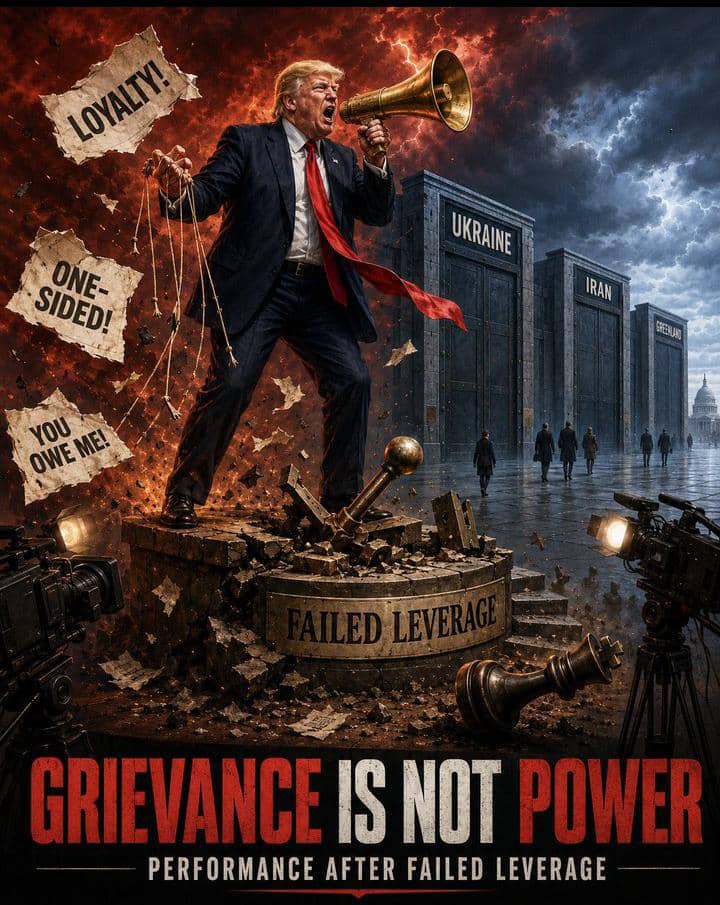
For years, Trump has hammered NATO allies over what he sees as uneven burden-sharing. His argument has been simple: the United States pays too much, while others rely too heavily on American protection.
In response, NATO members agreed to a major long-term commitment to raise defense spending, with a target framework reaching higher levels of investment over the coming decade. The idea was to show Washington that Europe and Canada were stepping up in a meaningful, structured way.
But instead of closing the debate, the shift in spending has only changed its shape.
Now the issue is not just how much countries are spending, but whether that spending translates into political alignment when it matters most.
That tension came into sharper focus after Trump reportedly expressed frustration over allied responses to recent international crises, including U.S.-led military actions. While many NATO members supported diplomatic positions or limited operational involvement, they stopped short of full participation in combat decisions, a distinction that has become politically sensitive.
Trump’s reaction cut through the usual diplomatic language. He said:
“We don’t need their money; we don’t need anything. I just want loyalty.”
It is a line that reframes the entire NATO conversation. Not as a balance sheet problem, but as a relationship test.
Rutte’s Charm Offensive Meets a Hard Political Reality
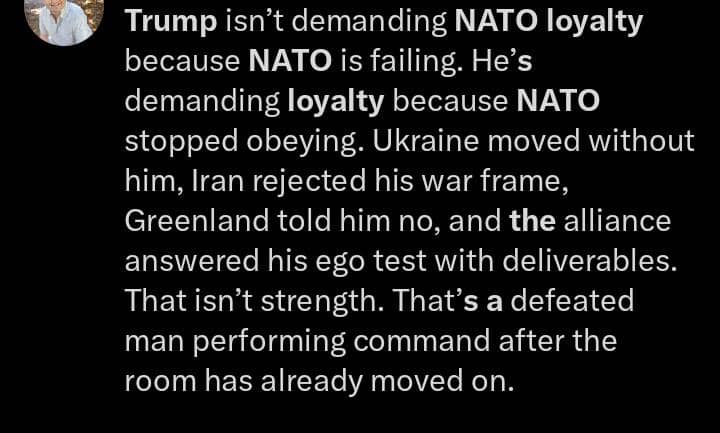
NATO Secretary General Mark Rutte has been working to keep the alliance steady in the middle of this tension, and his strategy has been unusually direct: speak Trump’s language.
Ahead of the summit, Rutte highlighted what he described as a massive wave of increased defense spending across Europe and Canada. He pointed to major increases in military budgets and new commitments that, in total, represent hundreds of billions of dollars in additional defense-related investment over recent years.
The message behind the numbers is clear: Europe is no longer standing still.
Rutte has also leaned into a more personalized diplomatic style, emphasizing shared strategic benefits rather than abstract obligations. The goal is to show that stronger European defense spending ultimately supports American industry, NATO readiness, and global stability all at once.
But even with those arguments, there is a limit to what persuasion alone can do.
Because Trump’s current framing is not just about financial contribution. It is about political alignment in moments of crisis, and that is much harder to quantify, package, or promise in a summit declaration.
Inside NATO, officials are increasingly aware that this creates a diplomatic balancing act. On one side, they need to keep the United States fully engaged as the alliance’s most powerful military force. On the other hand, they need to avoid setting expectations that could divide members who are more cautious about global military involvement.
That tension is exactly what Rutte is now managing heading into Ankara: keeping Trump engaged without forcing smaller allies into positions they are not ready to take.
A Summit That Feels Bigger Than Its Agenda
On the surface, the Ankara summit is meant to focus on strengthening NATO’s long-term defense posture, turning increased budgets into real capabilities, from air defense systems to ammunition production and rapid deployment readiness.
But underneath that technical agenda is a much larger question hanging over the alliance: what does unity actually mean in 2026?
Recent geopolitical tensions, including the conflict involving Iran and wider instability in Europe’s security environment, have made NATO’s internal differences more visible. Some members have taken a cautious stance on direct military involvement in U.S.-led operations, preferring diplomatic or logistical support instead. Others argue that NATO’s strength depends on visible, unified responses.
That divide is not new, but it now carries more weight because it intersects with Trump’s return to a more transactional view of alliances.
Former NATO Secretary General Jens Stoltenberg has previously warned, in broad terms, that NATO’s credibility rests on the assumption that allies will defend one another when called upon. If that assumption weakens, the alliance risks becoming more political than protective, more conditional than guaranteed.
That concern now feels less theoretical and more immediate.
The current challenge is not whether NATO members are spending enough or even whether they are contributing enough militarily. It is whether the political expectations between allies are still aligned.
The Real Test Isn’t Money, It’s Alignment

What makes this moment unusual is that NATO is not facing a single crisis, but a layered one.
First, there is the long-running debate over defense spending, which is now largely moving in Washington’s preferred direction. Second, there is the operational question of how allies respond to fast-moving global conflicts. And third, and most unpredictably, there is the personal political dynamic between Trump and NATO leadership.
Rutte’s job in Ankara is not just to manage a meeting. It is to keep those three layers from colliding.
The alliance has always relied on a mix of shared interests and political reassurance. But when one of its key figures starts defining success in terms of loyalty rather than contribution, the usual formulas become harder to apply.
And that is why this summit feels different.
It is not just about budgets or military plans anymore. It is about whether NATO’s largest member and its allies still speak the same language about what “standing together” actually means.
For now, the alliance is still holding that conversation inside diplomatic rooms. But what comes out of Ankara will show whether that conversation is getting easier or just getting started.