10 Grocery Staples to Grab Before Prices Get Worse Again
Grocery shopping no longer feels like a simple weekly errand. It feels like a quiet battle between what families need, what the cart can hold, and what the receipt will look like at checkout. Shoppers now walk through the aisles with greater caution, comparing brands, checking unit prices, and wondering how the same basic items could become so expensive so fast.
The hardest part is that grocery prices do not rise evenly. One week, beef feels outrageous. The next week, coffee, cereal, vegetables, or cooking oil quietly jump. That is why smart shoppers are paying closer attention to shelf-stable staples, freezer-friendly foods, and everyday items that can stretch meals without destroying the household budget. These are the grocery items worth grabbing before another price jump makes the weekly cart feel even heavier.
Beef and Ground Meat
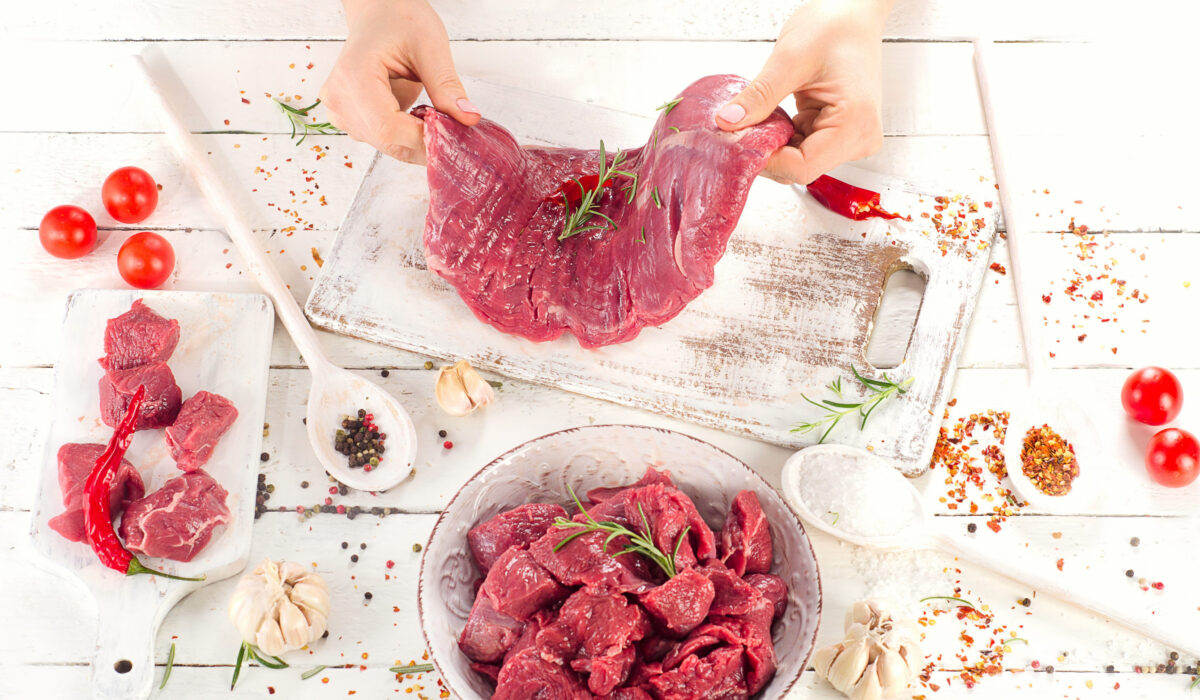
Beef has become one of the most painful grocery items for many households because it sits at the center of so many family meals. Burgers, meatballs, tacos, pasta sauce, casseroles, and quick skillet dinners all become more expensive when ground beef rises. Families who cook at home often feel the price increase immediately because meat usually accounts for a large share of the grocery bill.
The smart move is to buy beef when it is on sale and portion it before freezing. Ground beef can be stretched with beans, lentils, rice, oats, mushrooms, or vegetables without making meals feel thin or cheap. Shoppers can also mix beef with turkey or chicken to reduce cost while keeping flavor. Buying larger packs may seem expensive upfront, but it can save money when divided properly for several meals.
Chicken Thighs and Drumsticks

Chicken breasts often get the attention, but thighs and drumsticks are usually a better value for families trying to control food costs. They are flavorful, versatile, and forgiving in the kitchen, making them useful for soups, stews, grilled dishes, rice dishes, and oven dinners. When grocery prices rise, cheaper cuts of chicken can help households keep protein on the table without relying too much on expensive cuts.
These items also freeze well, which makes them worth buying in family packs during promotions. A tray of chicken thighs can become several meals if planned carefully. One batch can be roasted for dinner, shredded into sandwiches, added to fried rice, or turned into soup the next day. That kind of flexibility matters when shoppers are trying to make every dollar work harder.
Rice and Pasta
Rice and pasta remain two of the most reliable budget stretchers in the grocery store. They are shelf-stable, easy to store, and useful across countless meals. When prices rise on meat, vegetables, and packaged foods, these staples help families create filling dishes without spending heavily every night.
The value comes from how easily they pair with other ingredients. Rice can be paired with beans, chicken, vegetables, eggs, or canned fish. Pasta can become a simple dinner with tomato sauce, tuna, ground meat, or leftover vegetables. Buying rice and pasta before prices climb again gives households a safety net. It also reduces the temptation to order takeout when the fridge looks empty.
Beans and Lentils
Beans and lentils deserve more respect in a high-cost grocery season. They are affordable, filling, nutritious, and incredibly useful for stretching meals. Dry beans usually offer the best value, but canned beans are also worth keeping because they save time and make quick meals easier.
These staples can turn a small amount of meat into a full family dinner. Lentils work well in soups, stews, curries, and pasta sauces. Beans can fill tacos, burritos, rice bowls, salads, and casseroles. When meat prices rise, beans and lentils help families maintain hearty meals without feeling deprived. They are not just emergency pantry items. They are smart grocery protection.
Eggs

Egg prices have fluctuated wildly in recent years, making them one of the most-watched items in the grocery aisle. Even when prices dip, many shoppers remember how quickly they can rise again. Eggs remain valuable because they work for breakfast, lunch, dinner, baking, snacks, and quick protein.
When prices are reasonable, it makes sense to buy what the household can realistically use before the expiration date. Eggs can be used to make omelets, fried rice, breakfast sandwiches, egg salad, pancakes, casseroles, and simple budget dinners. They also help reduce dependence on meat for every meal. A dozen eggs can still carry several meals if used creatively and carefully.
Coffee
Coffee has become one of those everyday items that feels small until the price rises. Many households buy it automatically, but the cost can sting when favorite brands jump or package sizes shrink. For families that drink coffee daily, even a small increase can add up quickly over the course of a month.
Buying coffee during sales can protect the budget, especially if the household already knows the brand it uses most. Ground coffee, whole beans, instant coffee, and coffee pods all require different storage habits, but unopened packages usually keep well when stored properly. Stocking up does not mean panic buying. It means avoiding the frustration of paying full price later for something the household uses every morning.
Cooking Oil
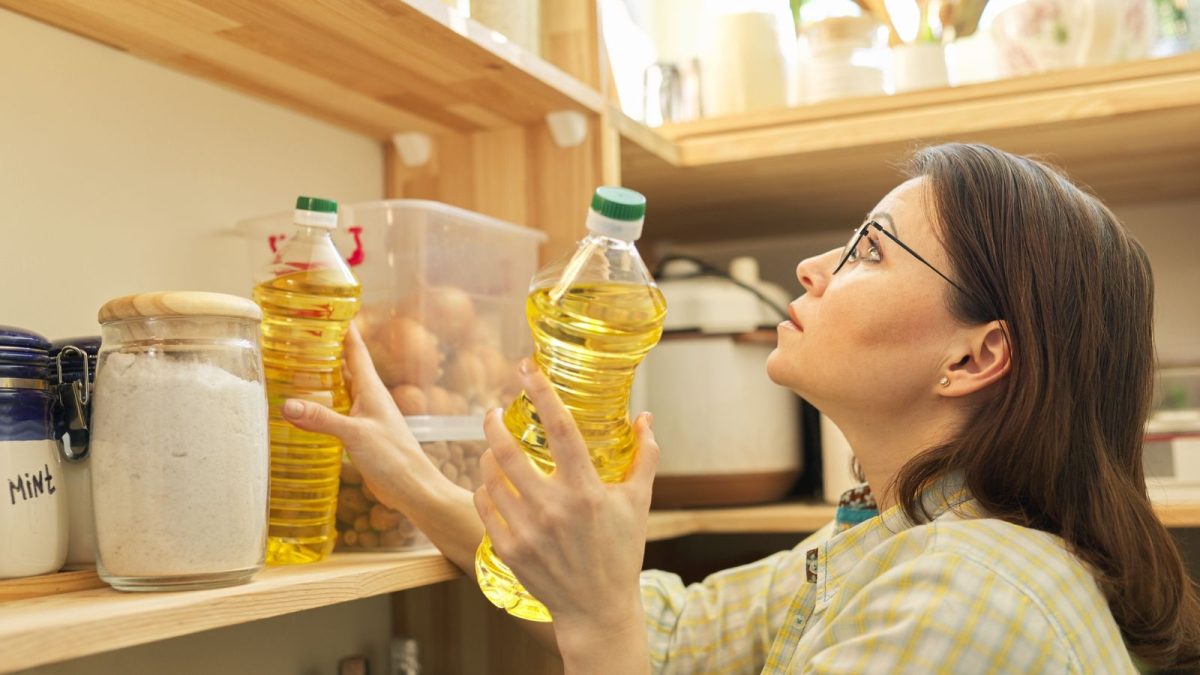
Cooking oil is easy to overlook until the bottle is almost empty and the shelf price feels higher than expected. It touches nearly every part of home cooking, from frying eggs to roasting vegetables, making sauces, baking, and preparing family meals. When oil prices rise, the effect quietly ripples through the entire kitchen.
Shoppers should watch for deals on commonly used oils such as vegetable, canola, olive, or avocado oil, depending on their cooking style. The key is to buy only what can be used before quality declines. A backup bottle can prevent last-minute, expensive purchases. It also helps families continue cooking at home, which remains one of the strongest defenses against rising food costs.
Frozen Vegetables
Fresh vegetables are important, but they can become frustrating when prices rise or produce spoils before anyone uses it. Frozen vegetables solve both problems. They are often cheaper, last longer, and can be added quickly to meals without washing, chopping, or worrying about waste.
Frozen peas, spinach, broccoli, corn, mixed vegetables, and peppers can strengthen soups, rice dishes, pasta, casseroles, eggs, and stir-fries. They help families add nutrition without throwing away spoiled produce at the end of the week. In a tight grocery season, reducing waste is just as important as finding lower prices. Frozen vegetables give shoppers more control over both.
Canned Tomatoes and Sauces
Canned tomatoes are among the most useful pantry items a household can have. They can be used to make pasta sauce, chili, soup, stew, curry, shakshuka, casseroles, and slow-cooker meals. When fresh produce prices rise, canned tomatoes give home cooks a cheaper way to build flavor and volume.
Tomato sauce, crushed tomatoes, diced tomatoes, and tomato paste are worth grabbing when they go on sale. They do not take much space, and they can rescue a weeknight dinner when fresh ingredients are limited. A few cans in the pantry can turn basic staples like rice, pasta, beans, or ground meat into a full meal. That makes them a quiet budget hero.
Cereal and Oats

Breakfast items can sneak up on families because they are used so often. Cereal, oats, granola, and breakfast bars may seem routine, but prices can climb quickly, especially when name brands shrink package sizes or offer fewer discounts. For households with children, breakfast staples disappear fast.
Oats are especially useful because they are filling, affordable, and flexible. They can be used for oatmeal, overnight oats, pancakes, muffins, granola, and even meatloaf filler. Cereal can still be worth buying during sales, but shoppers should compare unit prices instead of trusting bright discount tags. Carefully stocking up on breakfast staples can reduce morning stress and protect the weekly food budget.
Conclusion
Grocery prices can make families feel powerless, but smart shopping still gives households some control. The goal is not to buy everything in sight or panic every time prices move. The goal is to recognize which items are most useful, most flexible, and most likely to protect the kitchen when costs rise again.
Staples like rice, pasta, beans, frozen vegetables, canned tomatoes, chicken, eggs, coffee, cooking oil, and budget-friendly meats can stretch meals far beyond a single dinner. They help families cook more at home, waste less food, and avoid expensive last-minute choices. A well-planned pantry and freezer can turn grocery stress into strategy.
The happiest grocery cart is not always the fullest one. It is the cart built with a purpose. When shoppers buy the right staples at the right time, they protect more than the food budget. They protect peace at home, reduce daily stress, and make rising prices feel a little less impossible.