8 Chain Restaurants Losing Diners as Prices Keep Climbing
Eating out used to feel like a simple treat, a small reward after a long day, a quick escape from cooking, or a casual weekend outing. Now, rising menu prices and shrinking portion sizes are turning familiar favorites into financial headaches. Diners are taking notice, cutting back, and reconsidering where they spend their money.
The impact is subtle but significant. Restaurants that once relied on steady foot traffic are seeing slower crowds, as customers weigh cost against value. Chains that fail to adapt risk losing loyal patrons who are unwilling to pay more for the same experience. For consumers, the shift is a reminder that convenience and nostalgia are no longer enough to outweigh budget concerns.
Burgers and Fast-Food Classics

Burgers have long been the cornerstone of casual dining. They were affordable, customizable, and familiar. Today, menu prices have climbed steadily due to rising meat costs, labor expenses, and supply chain challenges.
Customers are noticing the difference. Meals that once cost under $10 now edge toward $15 or more, especially when fries, drinks, or extras are added. Many diners are cutting back, ordering smaller meals, or seeking alternatives at fast-casual chains or grocery-delivered kits. The classic burger may still satisfy cravings, but its once-reliable affordability is disappearing.
Pizza Chains

Pizza has always been a go-to for families and groups, prized for its shareability and convenience. Rising costs of cheese, flour, and toppings have made even basic pies more expensive.
The effect is clear: customers are choosing smaller pies, fewer toppings, or alternative restaurants that provide better value. Family orders that once felt like a weekend treat now come with a subtle pinch of budget anxiety. Pizza chains face a challenge: maintain quality without alienating cost-conscious diners.
Coffee and Specialty Cafes
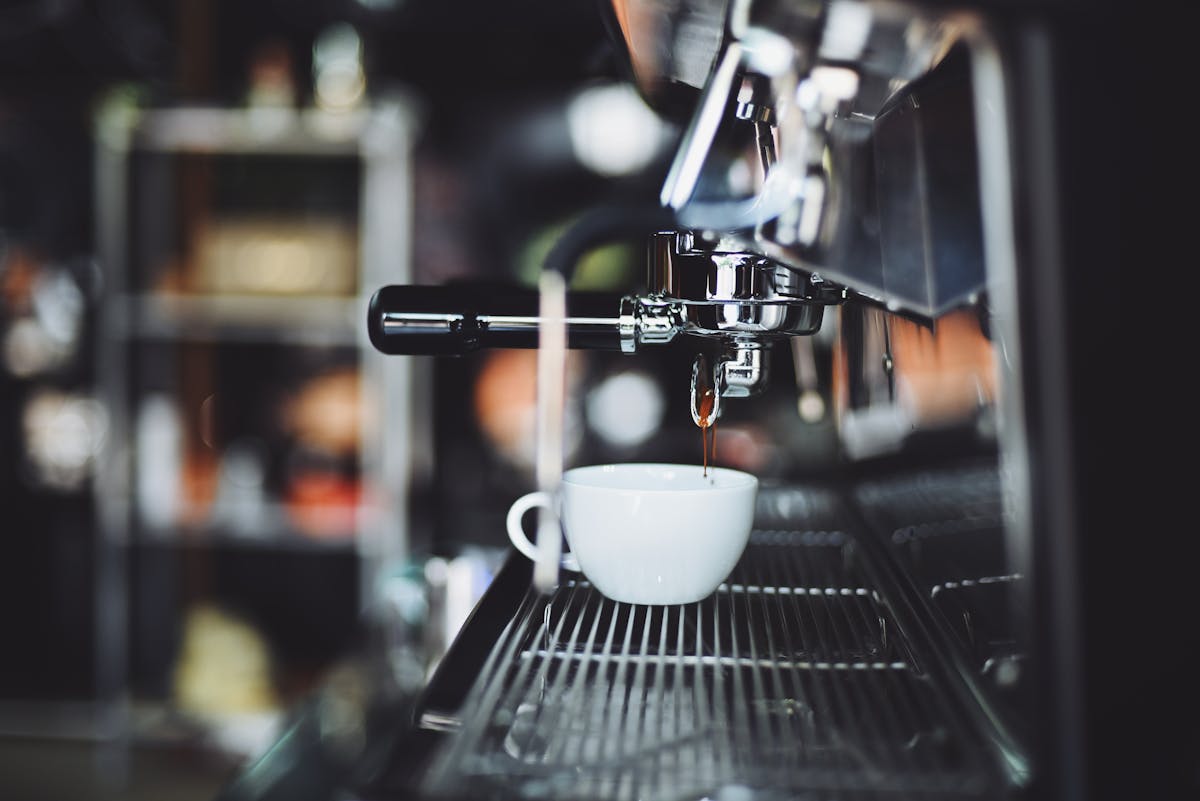
Coffee shops have expanded beyond quick morning stops into daily rituals, with lattes, cappuccinos, and seasonal drinks driving consistent traffic. Rising dairy, bean, and labor costs are quietly raising prices across the board.
Regular patrons are starting to cut back by brewing at home more often or skipping extras like flavored syrups and pastries. The convenience and experience of ordering out must now compete with the growing cost of everyday indulgences. Specialty beverages may remain aspirational, but daily consumption is becoming less feasible for many.
Sandwich and Sub Shops

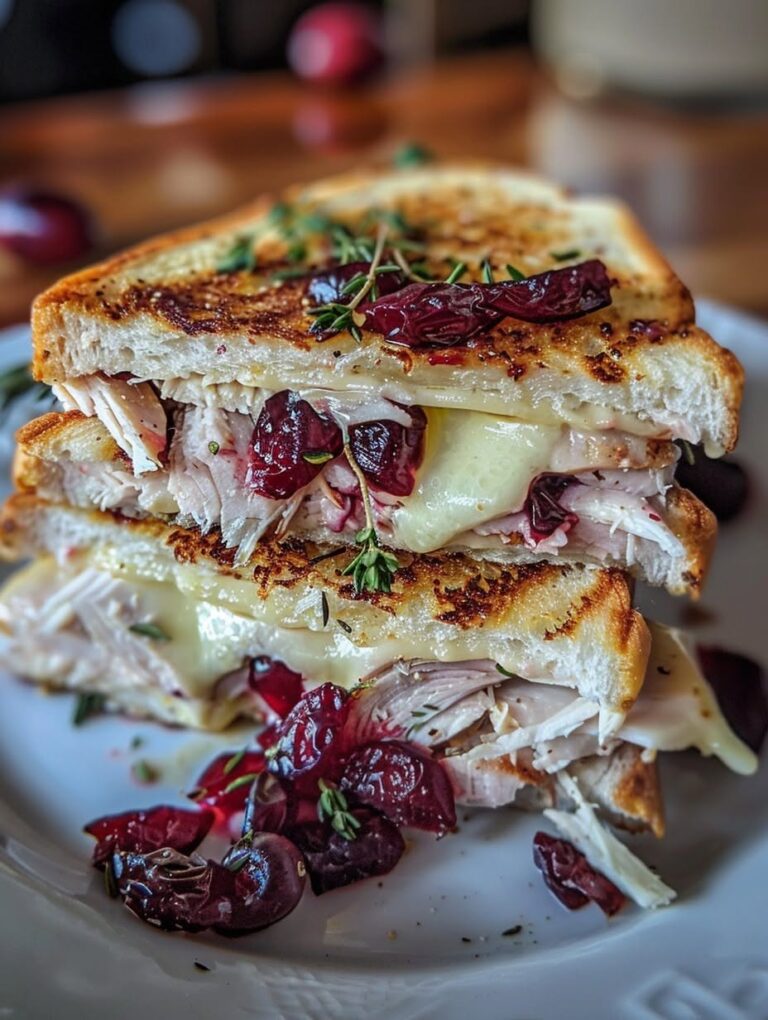
Quick-service sandwich chains have long relied on customization and portability to attract repeat customers. Rising prices for meat, bread, and vegetables are slowly pushing menu totals higher.
Lunch crowds are noticing. Where sandwiches once cost $7–$9, they now run $12–$14 with extras. For office workers, students, and families, this can mean reevaluating lunch budgets and seeking alternatives like home-packed meals or lower-cost local options.
Salad and Health-Focused Chains
Salad bars and health-oriented chains were once marketed as affordable, nutritious alternatives to traditional fast food. But production inflation, higher packaging costs, and labor expenses have driven prices up.
Customers may now opt for smaller portions, skip premium toppings, or prepare meals at home instead. The perception of value is changing. Health-conscious diners want freshness and quality, but they also want affordability, leaving some chains caught in a tough balancing act.
Breakfast and Brunch Spots
Morning chains offering pancakes, eggs, and coffee have traditionally drawn crowds for convenience and indulgence. Rising dairy, egg, and meat prices are shifting menus upward, and portion sizes are slowly being adjusted to match cost realities.
Regular patrons are noticing. Families and earl y risers are reevaluating frequency, turning once-daily rituals into occasional treats. Chains must navigate the tension between maintaining quality and retaining loyal breakfast crowds who may feel priced out.
Ice Cream and Dessert Chains
Ice cream and dessert chains face the challenge of combining indulgence with rising ingredient costs. Premium flavors, chocolate, nuts, and dairy are becoming more expensive, while consumer willingness to pay fluctuates.
Customers may opt for single scoops, skip toppings, or choose alternatives like grocery brands or smaller local shops. Indulgence-driven sales are sensitive to price changes, meaning chains must innovate to maintain both appeal and profitability.
Fast-Casual Fusion Restaurants

Fast-casual chains that offer higher-end options, from poke bowls to gourmet sandwiches, are often hit hardest. They rely on perceived quality and experience, but price-sensitive diners are reevaluating these options as costs rise.
The risk is customer churn. Diners who once splurged weekly may scale back to bi-weekly or seek cheaper alternatives. Chains that fail to demonstrate value beyond cost risk are losing loyal patrons. Menu innovation, portion adjustments, and loyalty programs are crucial strategies for maintaining traffic.
Conclusion
Rising grocery and supply costs are more than a backend issue; they are reshaping consumer behavior. Across burgers, pizza, coffee, and specialty chains, diners are adjusting habits, seeking value, and reconsidering loyalty. Chains that ignore this trend risk losing traffic, while those that adapt through menu creativity, promotions, and customer engagement can maintain relevance.
For consumers, the message is clear: eating out is no longer a casual convenience; it is a calculated choice. Awareness, planning, and selective indulgence are essential for keeping dining experiences enjoyable without breaking the household budget. Chains and diners alike are navigating a new reality where cost-consciousness is just as important as flavor and nostalgia.