Mamdani’s New York City-owned Grocery Store Plan Faces Fresh Questions as Officials Confirm Stores Won’t Include Butchers or Hot Food.
New York City’s plan to launch government-backed grocery stores is facing a new wave of scrutiny after officials revealed that the proposed markets will not include some traditional supermarket features, including butcher counters and hot food sections.
The announcement has added another layer of debate around Mayor Zohran Mamdani’s ambitious effort to reshape how New Yorkers access affordable food. Supporters say the idea could provide relief for families struggling with high grocery prices. At the same time, critics argue the details raise concerns about whether city-run markets can deliver the full shopping experience residents expect.
The grocery store initiative was introduced as part of Mamdani’s broader affordability agenda, which focuses on reducing household expenses and expanding public involvement in essential services. But as officials provide more details about how the stores will operate, questions are emerging about what shoppers will actually find when they walk through the doors.
Officials Reveal a Different Kind of Grocery Store

The controversy grew after officials from the New York City Economic Development Corporation explained that the planned stores would not necessarily operate like traditional supermarkets.
During discussions about the project, officials acknowledged that the locations are not expected to include certain features commonly associated with full-service grocery stores, including butcher departments and hot food counters.
Jeanny Pak, interim CEO of the Economic Development Corporation, said the goal is not to recreate every department found in supermarket chains but to provide affordable access to essential groceries.
The announcement immediately sparked debate because many shoppers view these features as more than optional extras. For many communities, a supermarket’s value comes from convenience: buying fresh meat, prepared meals, bakery items, and household necessities in one trip.
Critics argue that removing those services could limit the usefulness of the stores, especially for residents who already face challenges accessing affordable fresh food.
Supporters, however, say the city’s priority should be affordability rather than copying every feature of a traditional supermarket. They argue that a smaller, focused model could help reduce costs and make basic groceries more accessible.
A Big Promise to Fight Rising Food Costs
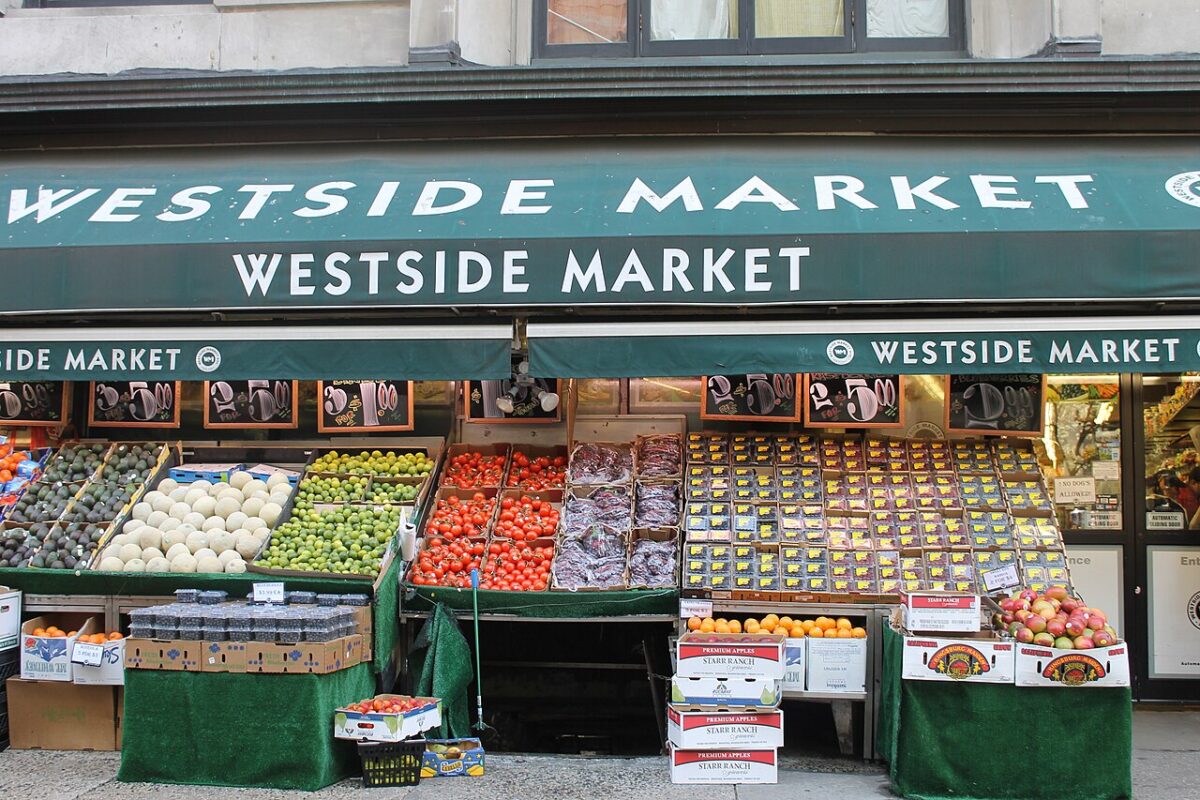
The grocery store plan comes as many New Yorkers continue to feel pressure from higher living expenses.
Food prices have increased significantly in recent years, forcing many households to adjust their spending habits. Even as inflation has cooled compared with its peak, grocery bills remain a major concern for working families.
Mamdani has positioned city-supported grocery stores as a possible solution by using public resources to create lower-cost shopping options.
The proposal calls for five grocery stores, with plans to place one location in each of New York City’s five boroughs. The initiative is designed to target communities where residents may have fewer affordable food choices.
The idea follows a broader national conversation about food access and the role governments should play when private markets fail to provide affordable options.
Supporters believe public investment could help fill gaps in neighborhoods where grocery prices are high or where residents have limited access to supermarkets.
They argue that government involvement is not about replacing private businesses but creating additional options for consumers.
However, critics question whether a government-supported grocery model can maintain lower prices while handling the expensive realities of operating a food business.
Running a grocery store requires managing staffing costs, supply chains, refrigeration, inventory losses, security, and competition. Without careful planning, critics warn that the project could face financial challenges.
Critics Question Whether a Limited Grocery Model Can Succeed

The latest details have intensified concerns from opponents who were already skeptical of the plan. One major criticism involves whether city-backed stores will be able to compete effectively with established grocery chains. Supermarkets benefit from decades of experience, established suppliers, and economies of scale.
Critics argue that a smaller government-supported model may struggle to match the selection and convenience customers expect. A supermarket is not just a place to purchase basic items. Many shoppers rely on grocery stores for fresh meat, prepared food, specialty products, and time-saving services.
The absence of butcher counters and hot food sections could make the stores less attractive to some customers who want a complete shopping experience. There are also concerns from independent grocery owners and small business operators who worry that government-backed competition could put pressure on neighborhood stores.
Local businesses often operate with limited profit margins and already face challenges from rising rent, labor expenses, and supply costs.
Opponents argue that instead of creating government-owned competition, the city could support existing grocery businesses through incentives, tax relief, or programs that reduce operating costs.
Supporters counter that traditional approaches have not solved affordability problems quickly enough. They believe new ideas are necessary because many residents continue to struggle with expensive groceries.
The Price Question Remains at the Center of the Debate
At the heart of the controversy is a simple question: Can these stores actually deliver meaningful savings?
Officials have emphasized that the goal is to offer lower prices on essential goods. But questions remain about how much cheaper the products will be and how the city will maintain those savings over time.
A grocery store can offer discounts in several ways, including reducing overhead, negotiating supplier agreements, limiting product variety, or receiving outside support. The challenge is finding a balance between affordability and customer expectations.
If prices are significantly lower, residents may accept fewer services. But if the savings are small, shoppers may choose established supermarkets with wider selections and additional features. The success of the program may ultimately depend on whether New Yorkers believe the trade-off is worthwhile.
A customer deciding where to buy groceries is often weighing several factors at once: price, convenience, quality, location, and variety.
The First Locations Will Put the Plan to the Test
Although the announcement has generated national attention, the grocery stores are still in the development phase. The city has identified plans for five locations, with the first stores expected to begin opening in the coming years.
Officials say the project will rely on partnerships and a model designed to keep operations efficient while maintaining affordability. The first stores will likely serve as a major test of whether government-backed grocery markets can become a sustainable part of New York’s food system.
If successful, the program could become a model for other cities facing similar affordability challenges. If problems emerge, critics will likely point to the early warnings about limited services and operational difficulties.
For now, the debate reflects a much larger question facing cities across America: How far should government go in addressing everyday costs?
Mamdani’s grocery store plan is no longer just about opening new markets. It has become a test of whether a public approach can compete in one of the most difficult industries in the economy while delivering what consumers actually need and whether it can do so in a way that changes the affordability debate.
If the project moves forward, New Yorkers will be watching one key measure above all: whether these stores can provide affordable groceries without sacrificing the convenience and quality shoppers expect.