10 Overhyped Winter Produce Picks
Winter produce gets dressed up like the hero of the cold season. Grocery stores stack it in pretty piles, wellness pages praise it like magic, and holiday recipes make every root vegetable sound like it’s been given a personality upgrade. Then you get home, chop it, roast it, taste it, and wonder why your dinner tastes like a damp sweater with ambition.
To be clear, these fruits and vegetables are not “bad” for you. Many are nutritious, seasonal, and useful in the right recipe. The problem is the hype. Some are too pricey, too fussy, too bland, too gassy, or too hard to cook well on a typical American weeknight. Seasonal produce also varies by region, weather, and growing conditions, so “winter favorite” does not always mean “worth your money today.”
Pomegranates
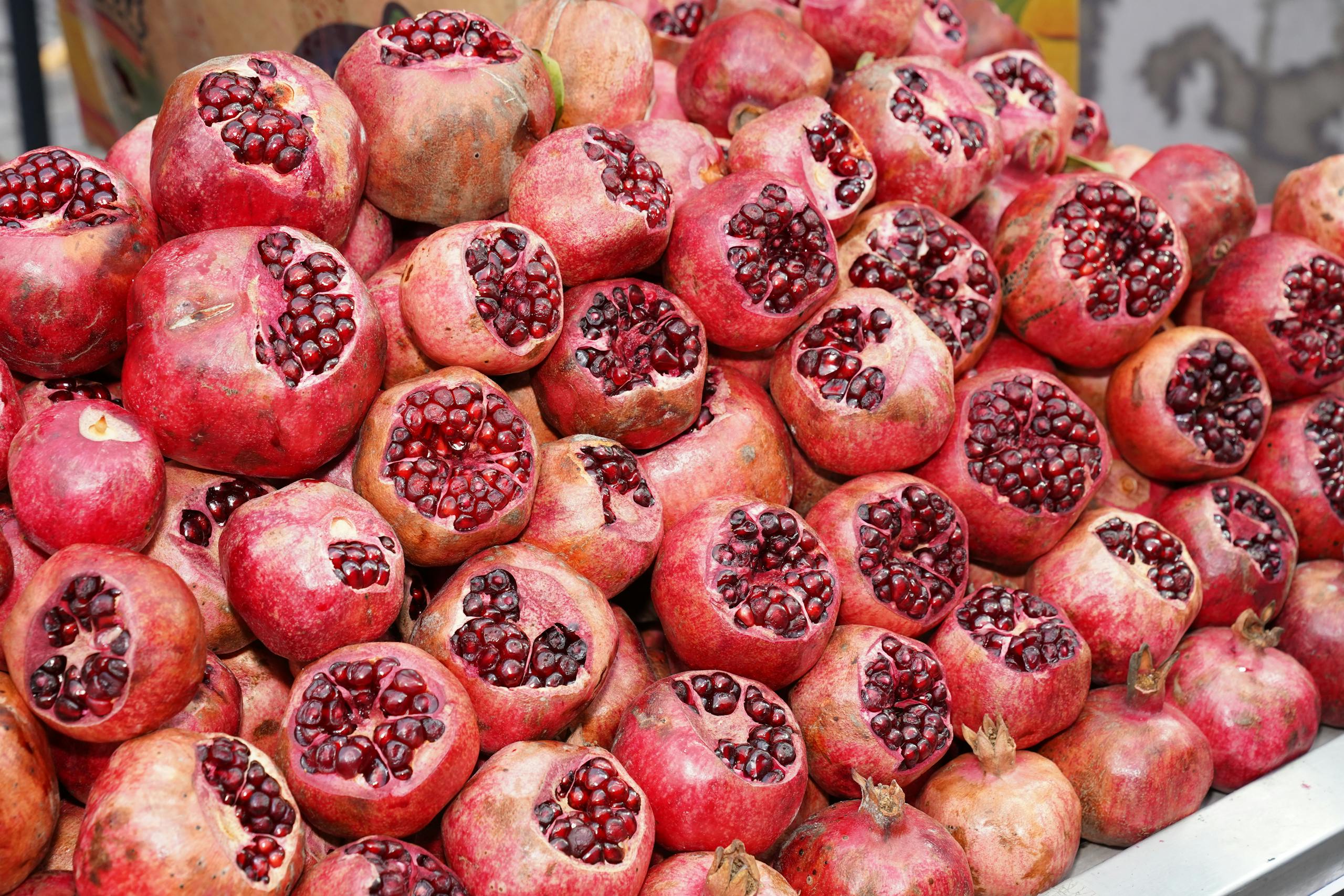
Pomegranates look glamorous in the produce aisle, like they belong on a magazine cover beside a candle and a cashmere blanket. Then you cut one open and remember the truth. This fruit makes you work for every tiny jewel inside.
The seeds are tart, crunchy, and pretty, but the mess can be ridiculous. Red juice gets on your hands, your cutting board, and sometimes your shirt if the fruit decides to fight back. Unless you truly love the ritual, packaged arils may be easier, but they often cost enough to make you question the whole winter fantasy.
Dried Cranberries
Dried cranberries sneak into winter salads like they own the season. They add color, chew, and a sweet-tart pop that looks festive. The problem is that many dried cranberry products are sweetened because cranberries are naturally very tart.
That does not make them forbidden, but it does make the “healthy salad topper” image a little slippery. Dried fruit can offer fiber and nutrients, yet it is also more concentrated in calories and sugar than fresh fruit. A small sprinkle can work, but a heavy handful can turn a smart salad into dessert, wearing a green jacket.
Kale

Kale had one of the strongest public relations campaigns in vegetable history. For years, it was treated like the leafy green that could fix your lunch, your skin, your digestion, and possibly your attitude. In real life, raw kale can be tough, bitter, and tiring to chew.
The secret is that kale usually needs help. It tastes better when massaged, dressed well, sautéed, or mixed with softer greens. It is still nutritious, but it is not always the effortless salad superstar people pretend it is. Cruciferous vegetables like kale are high in fiber and nutrients, but they can also cause gas or bloating for some people.
Persimmons
Persimmons look like they should taste like sunshine. They are glossy, orange, and charming enough to make shoppers toss one into the cart out of pure curiosity. Then the confusion begins because not every persimmon behaves the same way.
Some varieties need to be very soft before they taste good. Eat the wrong one too early, and your mouth may feel dry, tight, and betrayed. Persimmons can be lovely, but they are not beginner-friendly fruit. For many shoppers, apples, pears, or oranges are less mysterious and far easier to enjoy.
Turnips

Turnips sound charming in a farmhouse kind of way. They make people imagine cozy soups, rustic kitchens, and a winter dinner that feels wholesome enough to cancel out dessert. Then one underseasoned bite can taste sharp, watery, and strangely bitter.
The problem is that turnips need the right treatment. Roast them hard, mash them with something richer, or tuck them into a stew, and they can behave. Serve them plain, and they may remind you why potatoes keep winning the popularity contest.
Parsnips
Parsnips often get promoted as the cooler, sweeter cousin of carrots. That sounds promising until you roast a batch and realize they have a very specific flavor. Sweet, woody, nutty, and slightly perfumed is not everyone’s idea of comfort food.
They can be excellent in soups and roasted mixes, but they are easy to overdo. If they are too large, old, or poorly cooked, they can taste fibrous and dull. Carrots usually deliver more color, more familiarity, and fewer complaints from picky eaters at the table.
Grapefruit

Grapefruit has always had a clean, bright, healthy halo. It looks refreshing, feels classic, and sounds like the responsible breakfast choice of someone who owns matching workout clothes. The taste, though, can be a full confrontation.
Some grapefruits are juicy and wonderful. Others are aggressively bitter, sour, or dry enough to make you wonder who hurt them. Grapefruit can also interact with several medications, so it is not a casual “everyone should eat more of this” fruit. That makes the hype feel a little too loud for something that can be both delicious and inconvenient.
Brussels Sprouts
Brussels sprouts have become the comeback kid of American restaurant menus. Roast them until crispy, toss them with bacon, glaze them with balsamic, and suddenly everyone acts like they were never the villain of childhood dinners. The issue is that they need that glow-up to shine.
Plain boiled Brussels sprouts can still taste like punishment. They can also bring digestive drama because they belong to the cruciferous vegetable family. If you already struggle with bloating, a big serving may turn your cozy winter dinner into a private emergency.
Beets

Beets are beautiful, dramatic, and deeply committed to staining everything they touch. They can turn a salad into art and a cutting board into a crime scene. That alone makes them less convenient than their fans admit.
Their earthy flavor is another problem. Some people love that deep, sweet taste. Others think beets taste like someone seasoned a garden with sugar. They are useful in salads, juices, and roasted vegetable bowls, but they are not the easy crowd-pleaser people sometimes claim.
Winter Squash
Winter squash gets a lot of seasonal applause. Butternut, acorn, kabocha, and spaghetti squash all promise cozy meals and healthy comfort. The catch is that they can be heavy, awkward, and annoying to cut.
Flavor also depends heavily on maturity, storage, and variety. Squash develops its eating quality through changes in starch and sugar content, and poor storage conditions can affect texture and taste. That means one squash may roast into caramelized perfection, while another turns watery and bland after all that chopping work.
Persimmons

Persimmons look like they should taste like sunshine. They are glossy, orange, and charming enough to make shoppers toss one into the cart out of pure curiosity. Then the confusion begins because not every persimmon behaves the same way.
Some varieties need to be very soft before they taste good. Eat the wrong one too early, and your mouth may feel dry, tight, and betrayed. Persimmons can be lovely, but they are not beginner-friendly fruit. For many shoppers, apples, pears, or oranges are less mysterious and far easier to enjoy.
Key takeaway
Winter produce can be wonderful, but not every cold-weather favorite deserves the pedestal it gets. Some picks are messy, bitter, expensive, hard to cook, or more complicated than they look. The smartest move is not to avoid them completely. It is important to know which ones need extra effort before they earn space in your cart.
A good winter grocery run should make life easier, not give you a cooking project you secretly resent. Buy the pomegranates if you love the ritual. Roast the Brussels sprouts if you know how to make them crispy. But when the hype sounds louder than