10 Places Around the World You Are Forbidden to Visit
Imagine planning a dream vacation, packing your bags, and traveling halfway across the world, only to discover that the one place you really want to see is completely off-limits. No tickets, no guided tours, and definitely no sneaking past security.
Believe it or not, some of the world’s most fascinating places are also among its most restricted. Some are protected because of rare wildlife, others contain priceless historical treasures, and a few are connected to military secrets and national security.
While some of these locations allow scientists or specially authorized visitors, ordinary tourists cannot simply show up and explore. Here are 10 intriguing places around the world that you generally cannot visit.
North Sentinel Island, India
Located in the Bay of Bengal, North Sentinel Island is home to the Sentinelese, an Indigenous community that has maintained very limited contact with the outside world. Unlike most islands that welcome tourists, this one is protected by strict government restrictions.
India prohibits outsiders, including foreign visitors, from entering the island and the surrounding five-kilometer coastal reserve. The main reason is to protect the Sentinelese from outside interference and potentially deadly infectious diseases to which they may have little immunity.
The restrictions are not just a formality. In 2018, an American visitor was killed after attempting to reach the island. Another American was arrested in 2025 after making an unauthorized landing.
The island is monitored by Indian authorities, but the government’s approach is largely to observe from a distance rather than interfere with the community. It is one destination where curiosity should never outweigh respect for the people who live there.
Surtsey Island, Iceland
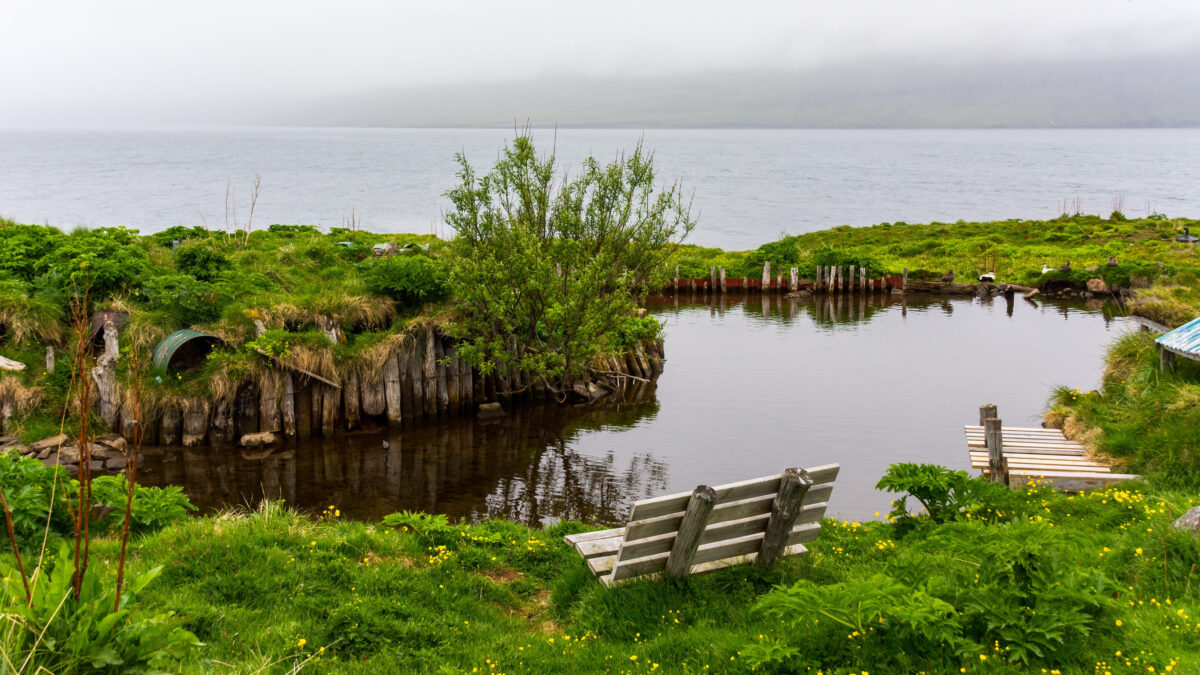
Imagine watching an island being born from the ocean. That is exactly what happened with Surtsey, a volcanic island off Iceland’s southern coast.
Created by underwater volcanic eruptions between 1963 and 1967, Surtsey is a natural laboratory where scientists study how plants, insects, birds, and other organisms establish themselves on newly formed land.
The island became protected in 1965, even before its volcanic activity had ended. Today, ordinary tourists cannot simply land there. Access requires special permission, mainly for scientific research and related activities.
Even photographers and filmmakers must demonstrate that their projects meet the necessary research or educational requirements.
In fact, authorities have rejected a photographer’s application because the proposed project did not meet the conditions for access. The goal is to keep human interference to a minimum so scientists can observe how nature develops without unnecessary disturbance.
Fort Knox Bullion Depository, United States
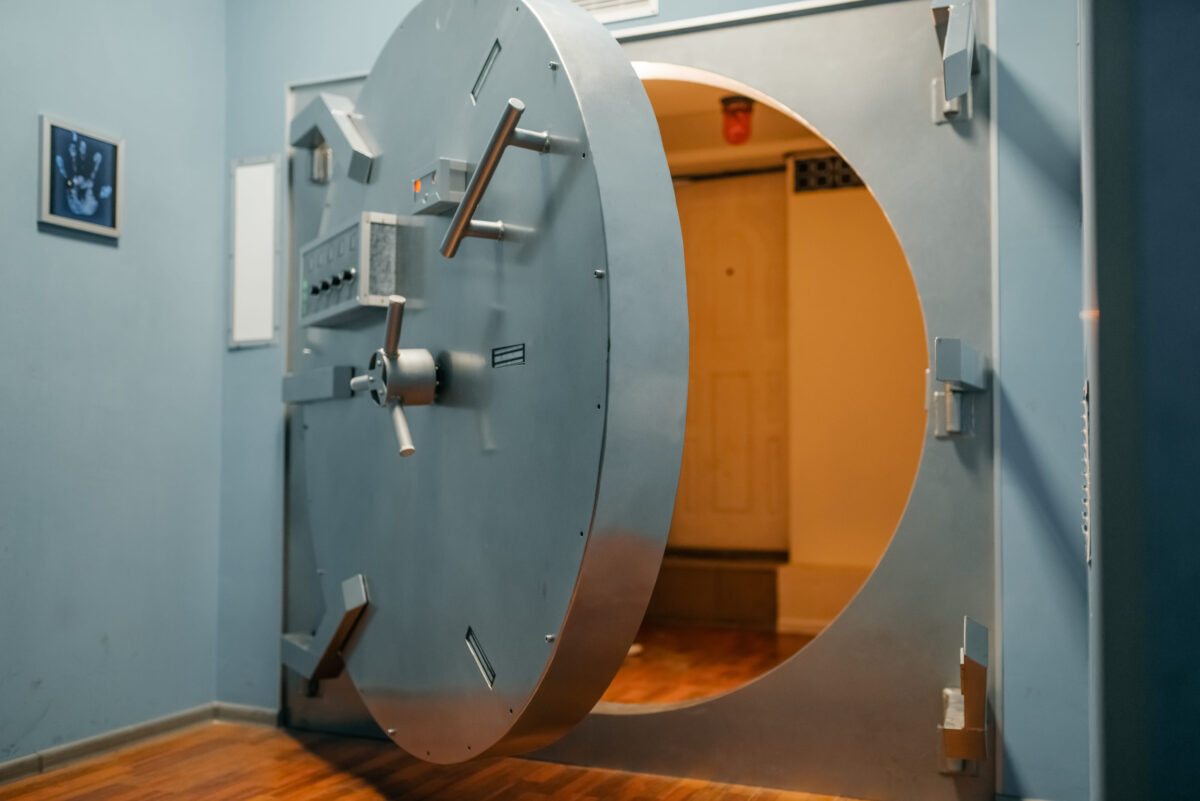
If there is one place that makes people curious about America’s wealth, it is Fort Knox in Kentucky. This heavily secured facility stores a significant portion of the United States government’s gold reserves.
However, despite its popularity in movies, documentaries, and conspiracy theories, the public cannot simply book a tour.
The U.S. Mint clearly states that visitors are not permitted inside the bullion depository. Access is reserved for authorized personnel and exceptional official visits.
The facility has an interesting history. It was completed in 1936, and its first gold shipment arrived on January 13, 1937. Interestingly, that gold was transported through the U.S. mail system.
During World War II, Fort Knox also protected important American historical documents, including the Declaration of Independence and the Constitution.
Although exceptional inspections have taken place, ordinary tourists must admire this famous facility from outside.
The Original Lascaux Cave, France
France is famous for its beautiful architecture, food, and historical attractions. But one of its most remarkable archaeological discoveries is somewhere tourists cannot enter: the original Lascaux Cave.
Discovered by four teenagers in 1940, the cave contains prehistoric paintings of animals, including horses, deer, and other creatures. Some of the artwork is believed to be around 17,000 years old.
The cave originally welcomed visitors in 1948. Unfortunately, increased tourism brought changes in temperature, humidity, and carbon dioxide levels that threatened the ancient paintings.
French authorities eventually closed the original cave to the public in 1963 to protect its fragile environment.
Fortunately, visitors can still experience its artwork through reproductions. Lascaux IV, which opened in 2016, offers an impressive recreation of the original cave.
So, you can still enjoy the experience, but you cannot walk through the actual prehistoric chambers.
Chauvet-Pont d’Arc Cave, France
Another remarkable French cave that remains closed to ordinary tourists is Chauvet-Pont d’Arc in the Ardèche region.
Discovered in December 1994, the cave contains extraordinary prehistoric artwork depicting animals such as lions, horses, and rhinoceroses. Its paintings provide an important glimpse into the lives and artistic abilities of early humans.
Unlike many historical attractions, the original Chauvet Cave has never opened for ordinary public tourism.
Why? Conservation.
Even small changes caused by human presence, including body heat, moisture, and carbon dioxide from breathing, can affect the delicate environment. Introducing outside organisms could also damage its natural conditions.
Only approved researchers, conservation workers, maintenance personnel, and exceptional invited visitors can enter under strict conditions.
Visitors who want to experience the artwork can explore a public replica that opened in 2015. It provides an opportunity to appreciate the cave without putting the original paintings at risk.
Snake Island, Brazil
The name alone is enough to make some travelers reconsider their vacation plans.
Ilha da Queimada Grande, commonly known as Snake Island, is located off the coast of São Paulo, Brazil. It is famous for being home to the golden lancehead, a venomous snake found naturally on the island.
However, the island is not simply a dangerous destination where tourists are discouraged from visiting. It is a protected conservation area with strict access requirements.
Only people with authorization from Brazil’s federal conservation agency, ICMBio, can visit. Researchers, including scientists from the Butantan Institute, receive permission to conduct studies and monitor the island’s wildlife.
The golden lancehead is particularly important because it is found naturally on this island. Protecting its habitat helps preserve a species that cannot simply be relocated elsewhere.
The island’s reputation has attracted plenty of sensational stories, but the real reason for restricting access is conservation, not entertainment.
Area 51, United States
Few restricted places have attracted as much curiosity as Area 51 in Nevada.
Known for its association with UFO stories and extraterrestrial conspiracy theories, Area 51 is actually a military facility used for secret aircraft testing and development.
The CIA has confirmed that the site played an important role in developing and testing the U-2 and A-12 OXCART reconnaissance aircraft.
The facility was selected in 1955 because its remote desert location provided a suitable environment for secret aviation projects.
Today, the military restricts public access to the facility. Unauthorized entry across the protected boundary can result in arrest and prosecution.
During the 2019 Storm Area 51 events, several people were arrested in connection with trespassing attempts around the restricted area.
Despite the internet jokes and alien-themed merchandise, Area 51 is not a tourist attraction. You can explore the surrounding desert, but entering the actual military facility is another matter entirely.
Mount Weather Emergency Operations Center, United States
Hidden in the mountains of Virginia, Mount Weather is a highly restricted government facility operated by the Federal Emergency Management Agency (FEMA).
Unlike ordinary government buildings, this facility is not open to members of the public.
Federal regulations specifically state that access is limited to individuals conducting approved official business connected to the facility’s operations and responsibilities.
Authorized visitors must receive approval, register, and obtain the necessary identification and vehicle authorization.
The facility also has restrictions on photography, notes, sketches, and diagrams unless permission has been granted.
Although its restricted nature has encouraged plenty of speculation, its official role is connected to emergency management and national security.
It is not somewhere you can add to your sightseeing itinerary, even if you happen to be passing nearby.
Heard Island and McDonald Islands, Australia
If you love remote destinations, Heard Island and McDonald Islands might look like the ultimate adventure. Located approximately 4,000 kilometers southwest of mainland Australia, this island group is among the most isolated places on Earth.
The islands are known for their remarkable natural environment, wildlife, and volcanic landscapes.
However, reaching them is not as simple as booking a boat trip. Entry requires an official permit, and visitors must follow strict environmental conditions.
Scientists, government personnel, and approved expedition participants are among those who can visit. Interestingly, tourists are not completely prohibited. Australia’s Antarctic Division confirms that tourist visits are possible with permission and must remain within designated visitor areas.
The strict controls help protect the islands’ relatively undisturbed ecosystems, including important breeding habitats for birds and marine mammals.
Nihoa Island, Hawaii, United States
Nihoa is one of the lesser-known restricted destinations in the Pacific Ocean. Located in the Northwestern Hawaiian Islands, it forms part of the Papahānaumokuākea Marine National Monument.
The island is important for both its natural environment and Hawaiian cultural history.
More than 80 known cultural sites have been identified there, including ancient habitation areas, agricultural terraces, religious locations, and burial caves.
Because of its ecological and archaeological importance, ordinary recreational tourism is not permitted. Visitors need special authorization, which is mainly granted for scientific research and cultural activities.
The island’s steep cliffs, fragile habitats, and archaeological remains make uncontrolled tourism particularly risky.
For most travelers, Nihoa will remain a destination to appreciate through photographs and research rather than a place to explore in person.
Final Thoughts
Not every fascinating destination needs to become a tourist attraction. Some places are restricted because they contain priceless historical treasures, while others protect rare wildlife, Indigenous communities, or important scientific environments.
And while a few locations, such as Heard Island and Surtsey, offer limited access through special permission, others remain firmly closed to ordinary visitors.
Sometimes, the most interesting part of discovering the world is learning why certain places are better left undisturbed.