10 Things Boomer Wives Kept in the Kitchen Junk Drawer
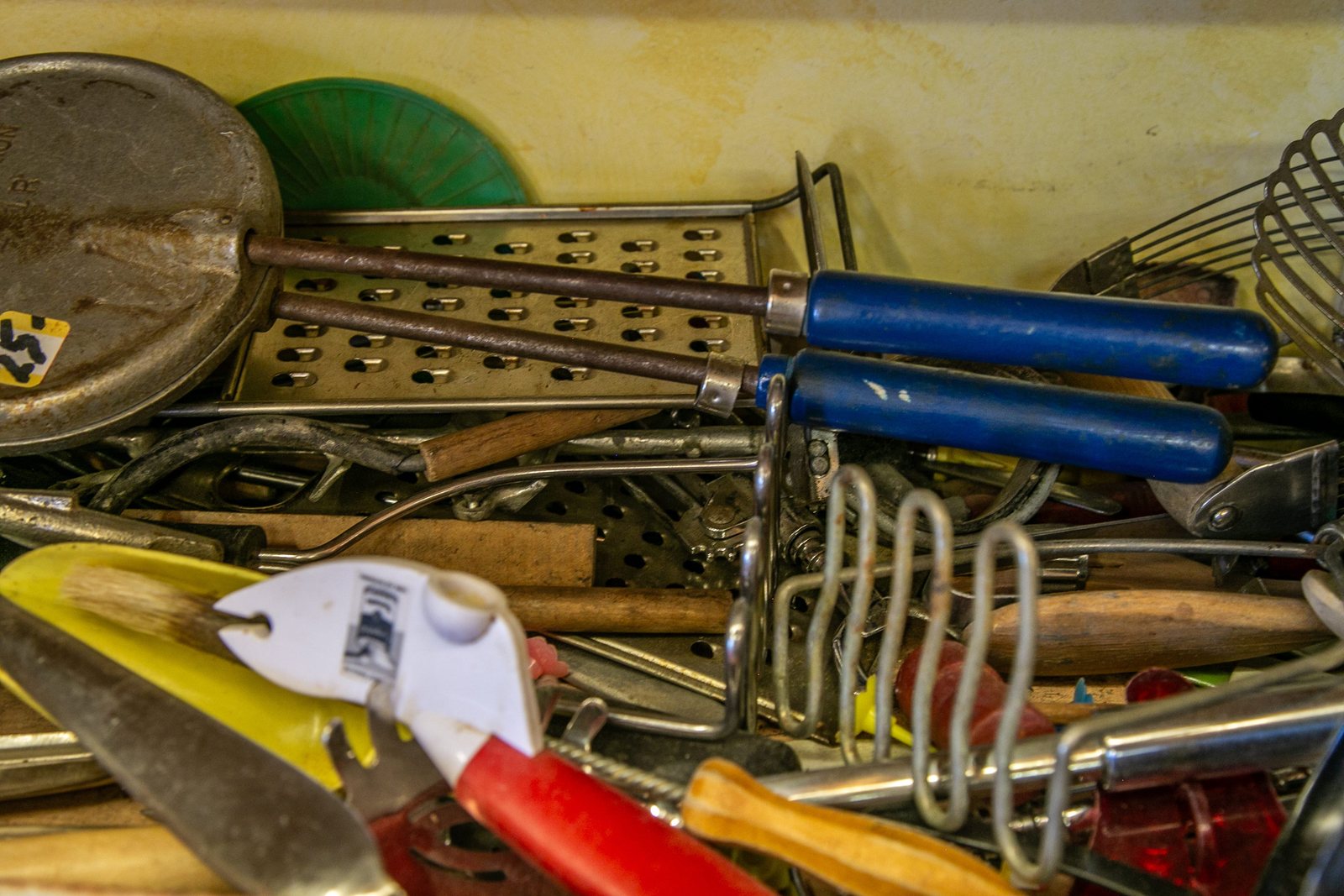
Every boomer kitchen had one drawer that refused to close all the way. It usually sat right next to the phone, and it held the rubber bands, twist ties, stamps, keys and coupons that kept a household humming.
The junk drawer was not really junk at all. For the wives who ran those kitchens in the 1960s and 1970s, it was a command center built on one rule: never throw away anything that might be useful later. Here are 10 things you could almost always find inside.
1. Rubber Bands From the Morning Paper
The newspaper landed on the driveway every morning wrapped in a rubber band, and that band went straight into the drawer. Over months it joined dozens of others in a tangled ball that could close a bag of chips, hold a recipe card or bundle a stack of bills.
Those bands came from real companies, too. Alliance Rubber Company, founded in 1923 in Alliance, Ohio, and now based in Hot Springs, Arkansas, still lists newspaper rubber bands among the products it makes.
2. Twist Ties by the Dozen
Every loaf of bread, bag of produce and new toaster cord came with a twist tie, and boomer wives saved every one. They were sorted loosely by color and length, and they fixed everything from a garbage bag to a drooping tomato plant.
This habit came straight from the parents who lived through lean years, the same mindset behind the lessons Silent Generation parents taught boomers about saving everything.
3. Plastic Bread Clips
Right next to the twist ties sat a pile of little plastic bread clips. According to Atlas Obscura, the clip was invented by Floyd Paxton, who reportedly carved the first one in 1952 while trying to reseal a bag of snacks on a flight. His Kwik Lok company, founded in 1954, is now based in Yakima, Washington.
Moms found a dozen uses for spare clips, from labeling keys to marking where a roll of tape started, and that kind of clever reuse is one of the boomer habits that are making a comeback.
4. S&H Green Stamps and Half-Filled Books
Few things say boomer kitchen like a stack of S&H Green Stamps waiting to be licked and pasted. Smithsonian magazine reports that the Sperry & Hutchinson Company was founded in 1896, that shoppers earned a stamp for every 10 cents spent, and that by 1964 the company had about 800 redemption centers.
Filled books were traded for lamps, toasters and bicycles, so the half-finished book in the drawer was a small savings account. It belonged in the same family of thrifty tricks as clipping coupons, a habit covered in how boomers shopped for groceries before coupons went digital.
5. Matchbooks From Restaurants and Motels
Every steakhouse dinner, motel stay and wedding reception produced a free matchbook, and they all ended up in the drawer. They lit birthday candles and pilot lights, and they doubled as tiny souvenirs of family trips.
Matchbooks are on just about every list of nostalgic items everyone had 30 years ago, and many families still have a few tucked away.
6. Keys Nobody Could Identify
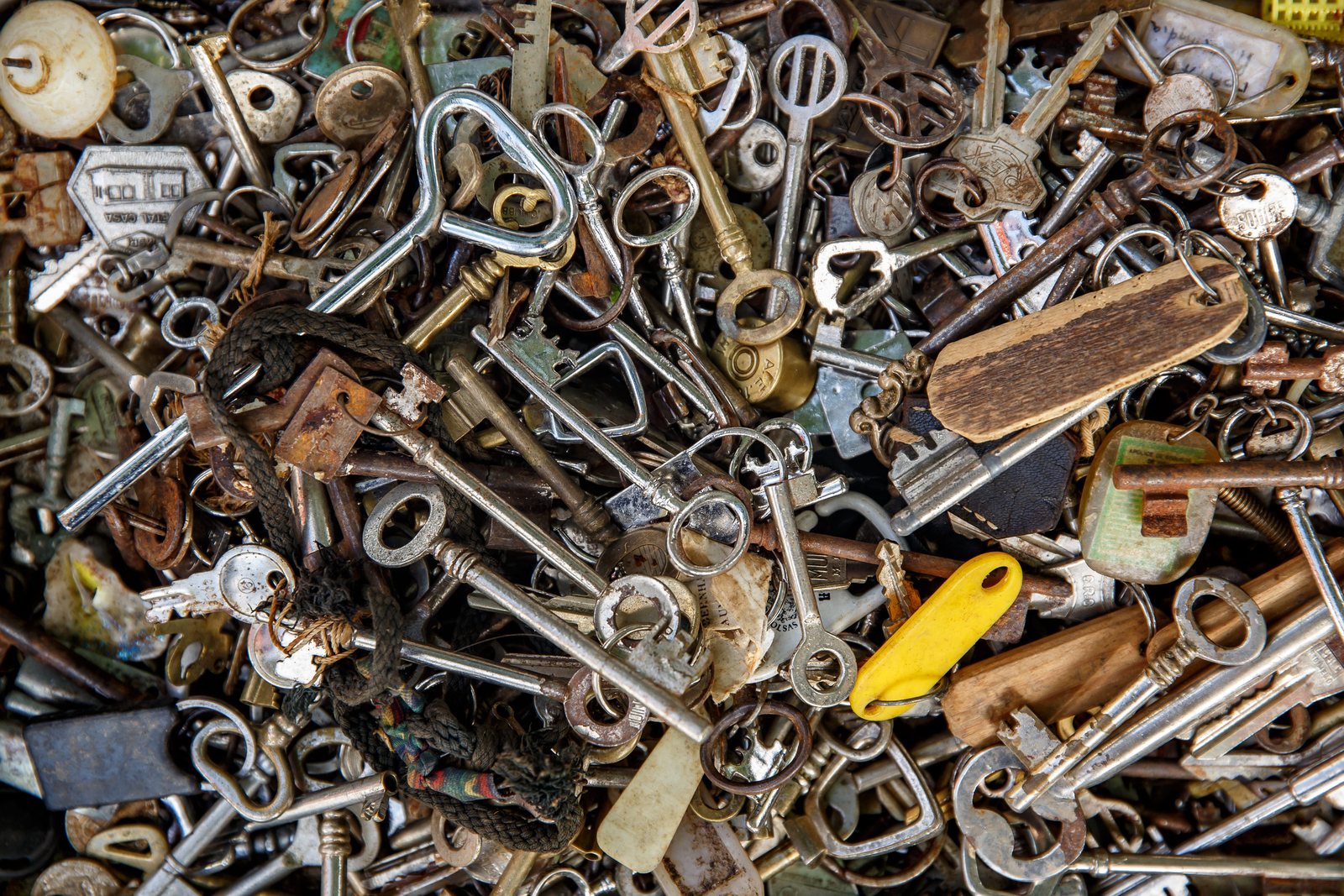
Every junk drawer had a small ring of mystery keys. One might have opened a shed that was torn down years ago, another a suitcase long since donated, and one probably fit the neighbor’s back door.
Nobody dared throw them out, because the moment you did, you were sure to need one. These days, many families tame the key pile with simple DIY projects that make life easier, like a labeled key rack by the door.
7. Birthday Candles, Used and New
A half-empty box of birthday candles lived in the drawer, mixed with a few that had already been blown out once and saved for the next cake. A wax-covered candleholder or two usually rolled around nearby.
Reusing candles was pure practicality. A candle that burned for one chorus of “Happy Birthday” still had plenty of life left in it.
8. Clipped Coupons in an Envelope
Sunday newspaper coupons were clipped at the kitchen table and stashed in an envelope or a small accordion folder. Most were for cereal, laundry soap and canned goods, and at least a few were usually expired.
The envelope came out before every grocery trip, and organized moms sorted them by aisle.
9. Pencil Stubs and Pens That Might Work
The drawer always held a short pencil, a golf pencil from the mini-golf course, a pen from the bank and a pad for grocery lists. Testing which pen still worked became a small ritual every time someone called with a phone number.
Keeping a working pen near the phone was a must, and the grocery pad by the drawer was where every family errand began.
10. Appliance Manuals and Warranty Cards
At the bottom of the pile lay the manuals for the blender, the mixer and the console TV, plus a few warranty cards that were never mailed. Some appliances were long gone, but the booklets stayed.
They were a promise that someday, somebody would need to know how to reset that clock on the oven.
A Drawer Full of Good Sense
The kitchen junk drawer was cluttered, but it reflected a way of thinking that valued reuse, thrift and being prepared. Open one in a boomer kitchen today and you may still find a twist tie or two, a few rubber bands and a key that fits absolutely nothing.