10 Things Retirees Say Got Too Expensive to Buy
Retirees have a front-row seat to price changes. Many shop on a set schedule, track their spending closely and remember exactly what things cost a few years ago. So when they say something got too expensive to keep buying, it’s worth listening.
Government price data backs up a lot of what they’re noticing. Some items have risen faster than overall grocery prices, and others quietly shrank in size. Here are 10 things retirees commonly say they’ve stopped buying, or now buy far less often, because of the cost.
1. Steaks and Roasts
Beef is the item retirees mention first. The USDA Economic Research Service’s Food Price Outlook projects beef and veal prices to rise 9% in 2026, well above the 2.4% forecast for groceries overall, as beef production has tightened.
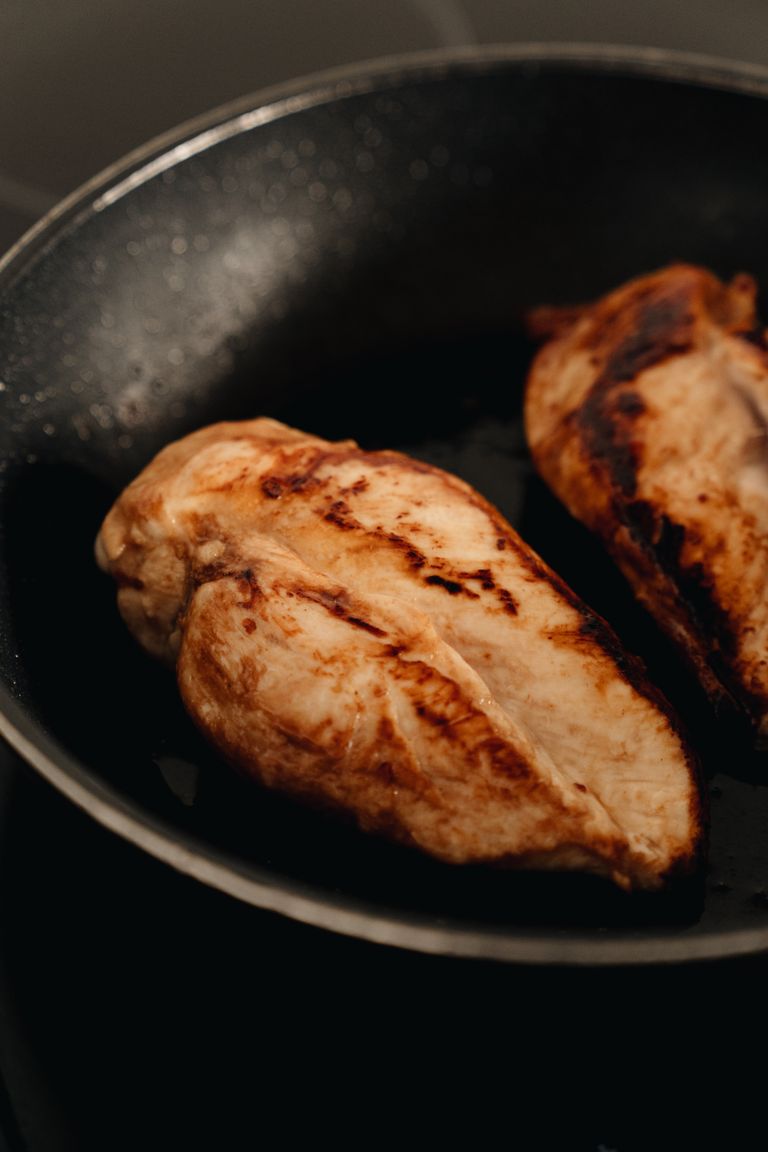
Many retirees say a weekly steak night became a once-a-month splurge, or turned into chicken thighs and ground turkey. Others buy a larger roast on sale and stretch it across several meals.
2. Good Coffee Beans
Coffee is a daily ritual for a lot of retirees, which makes price hikes sting. The USDA notes that retail coffee prices have risen faster than other nonalcoholic beverages this year.
Some have switched from specialty bags to store-brand cans; others brew a little less each morning. Coffee-shop visits are often the first thing to go, though plenty keep one as a small weekly pleasure. Budgeting for little rituals like this is one of the things nobody tells you about early retirement.
3. Candy and Chocolate
Sugar and sweets are forecast to climb 6.5% in 2026, according to the same USDA outlook, driven mainly by candy and chewing gum. That’s a big jump for something that used to be an impulse buy at the register.
It’s also an area where packages have shrunk. Retirees who once grabbed a candy bar with every grocery run now say they save it for special occasions, and many have made similar cuts to the snacks they stopped buying because of the price.
4. Chips and Packaged Snacks
Snacks were the food category with the most package-size changes in the U.S. Bureau of Labor Statistics’ research on shrinkflation, with downsizing far outnumbering upsizing. In other words, the same price often buys a lighter bag.
Retirees have responded by buying store brands, waiting for sales or making their own popcorn on the stove. Humble swaps like these are a reminder that some budget foods are loved by everyone, regardless of income.
5. Dinners Out
Restaurant prices are a common complaint. The USDA projects food-away-from-home prices to rise 3.6% in 2026, faster than grocery prices, and the tip on top makes the gap feel even bigger.
Many retirees still eat out; they just do it less, split entrees or go at lunch when prices are lower. Some even keep a short list of restaurant meals they say aren’t worth the price anymore.
6. Fresh Vegetables Out of Season
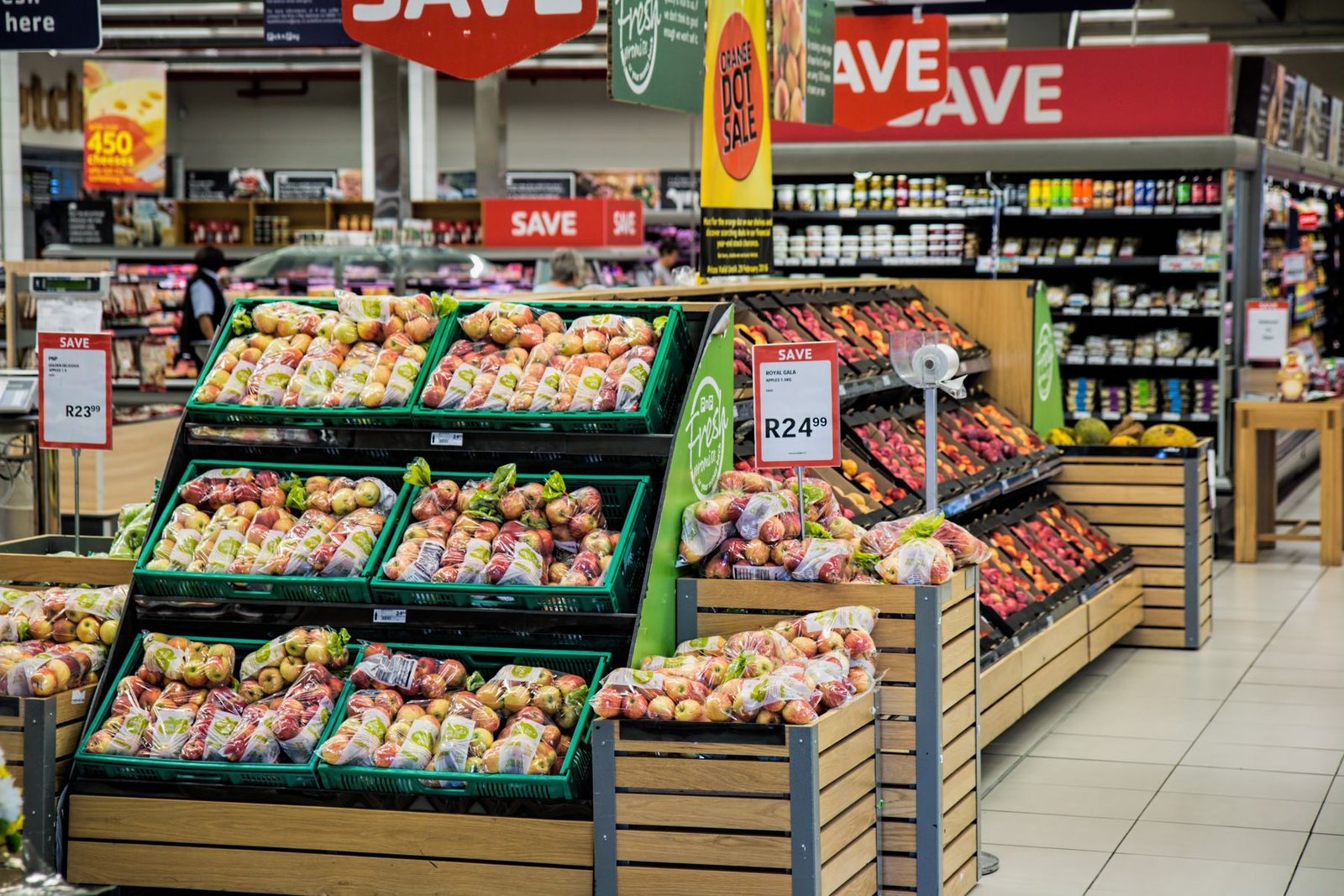
The USDA forecasts fresh vegetable prices to rise 6.5% in 2026. For retirees who cook most meals at home, that adds up quickly.
Many have shifted toward frozen vegetables, which hold steady in price and don’t go bad in the crisper drawer. Others plant a small garden or buy what’s in season at the farmers market. For anyone looking to grow their own, elevated garden beds for fall greens and herbs are a popular project.
7. Holiday Travel
Visiting family is still a priority, but it isn’t cheap. In an AARP survey of adults 50 and older, 52% of holiday travelers said cost was their biggest travel concern, and 43% expected to spend at least $2,000 on the trip.
To keep costs down, retirees travel on off-peak days, drive when they can and pack light. Plenty have learned to skip the checked-bag fee entirely by packing a single carry-on.
8. Name-Brand Paper Goods
Household paper products had more size changes than any other category in the BLS study, so a “family pack” of paper towels may not stretch as far as it once did.
Retirees say they now compare unit prices on the shelf tag and buy the store brand or warehouse packs. Cloth towels and rags have also made a quiet comeback in many kitchens.
9. New Furniture and Home Decor
The Bureau of Labor Statistics’ latest Consumer Price Index release showed household furnishings and supplies up 0.7% in a single month. Retirees on a fixed budget say a new couch or dining set is now a big decision instead of a quick upgrade.
Many shop secondhand, reupholster a favorite chair or simply decide the old furniture has plenty of life left in it.
10. Little Extras at the Grocery Store
Finally, retirees say it’s the small things that disappeared first: the bakery cookies, the bouquet of flowers by the register, the fancy cheese for no particular reason.
None of these is expensive on its own. But when everything else costs more, the extras are the easiest place to trim, and many say they now save them for birthdays and holidays.
Higher prices haven’t stopped retirees from enjoying life. They’ve just made them pickier about where the money goes, and much of what they cut has been replaced with something cheaper, homemade or simply less often. As many put it, a splurge feels better when it’s a choice instead of a habit.