11 Things Servers Wish Diners Would Stop Doing
Dining out is supposed to be simple. You sit down, look over the menu, order what sounds good, enjoy your meal, and eventually pay the bill. But behind that seemingly effortless experience is a complicated chain of timing, communication, and coordination. Servers move between tables, take orders, carry food and drinks, answer questions, and track requests while the kitchen and bar handle their own workload. A small request from one table may seem insignificant, but several requests arriving separately can create extra trips or confusion.
That does not mean diners have to be perfect. Restaurant policies vary, kitchens have different capabilities, and customers should always feel comfortable asking questions or explaining legitimate needs. Still, published accounts from restaurant workers and hospitality professionals point to some habits that can make service more complicated than it needs to be.
Talking Through the Ordering Moment
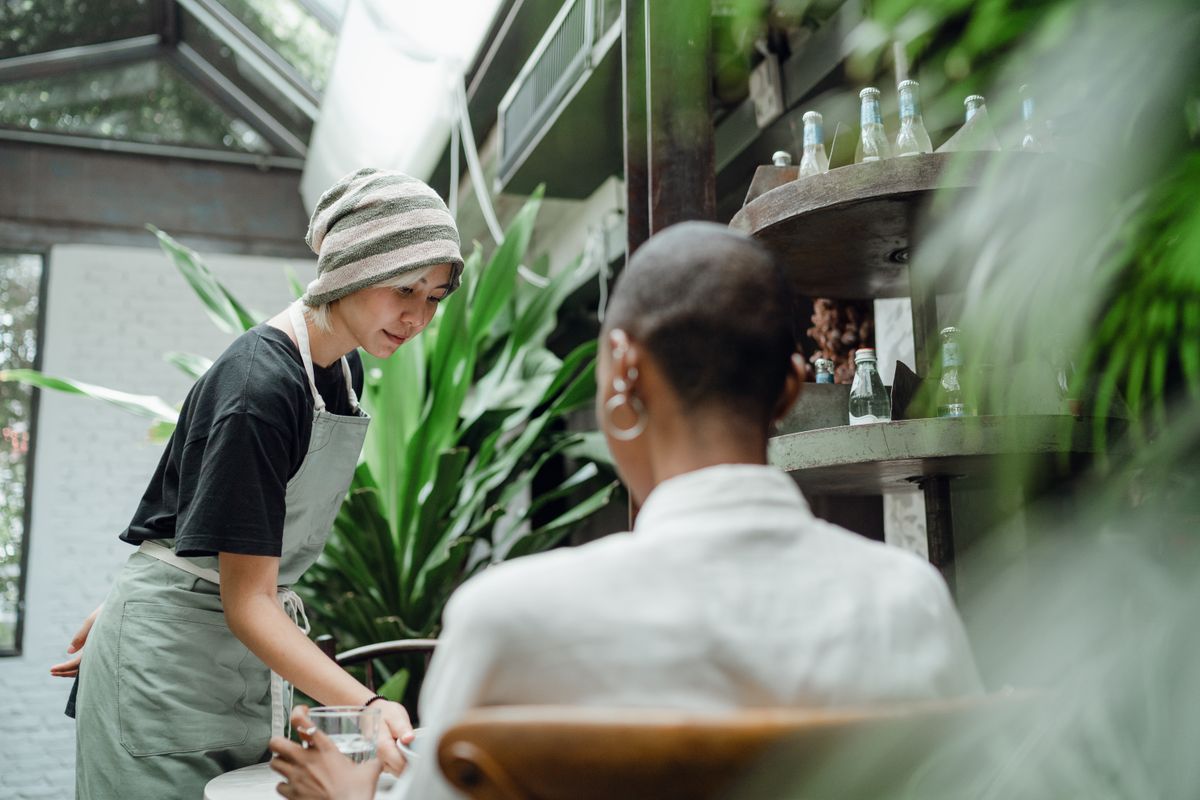
You know the scene. The server arrives at the table, ready to take everyone’s order, and suddenly the conversation becomes more interesting. One server, Samantha Husted, described the difficulty of approaching tables where diners continue talking instead of acknowledging that someone is trying to take their order.
There is nothing wrong with enjoying conversation at dinner. The simple fix is to pause when the server arrives. If nobody is ready, say you need another minute. That gives the server a clear answer instead of leaving them standing there waiting.
Related Post: 8 Things You Do at Restaurants That Servers Say Make Their Job Harder
Asking for One Small Thing on Every Trip
A little extra sauce. Then another napkin. Then water. Then a fork. Each request might be completely reasonable on its own, but asking for several things during separate visits can create a string of unnecessary trips for the server.
Published server accounts describe this as one of the more avoidable frustrations of restaurant service. Take a quick look around the table before making a request. If you realize you need several things, ask for them together. Of course, new needs can come up later, and nobody expects diners to predict the future.
Treating the Menu as Infinitely Customizable
Restaurants often receive requests to remove ingredients, swap components, or rebuild dishes into something completely different. But a menu is not necessarily a collection of interchangeable parts. Culinary guidance explains that restaurants may have specific substitution policies, and modifications can require extra prep or conflict with how a dish is made.
The best approach is to ask what can be changed before ordering. If the kitchen cannot make the requested modification, consider another dish rather than treating the answer as a negotiation. That doesn’t mean you should dismiss legitimate dietary or accommodation needs. It simply means asking first gives everyone a clearer path.
Blaming the Server for a Kitchen Delay
When an order takes longer than expected, the person standing at your table is usually the easiest person to complain to. But the server may be the messenger.
Husted’s account specifically distinguishes kitchen and bar delays from problems caused by the server. If your food is taking longer than expected, ask for an update. If you have somewhere you need to be, explain the timing issue. That gives the server useful information and lets them respond, rather than simply absorbing frustration about something happening elsewhere in the restaurant.
Adding Guests Without Updating the Reservation
A reservation for four can create a very different situation when six or eight people arrive. Changing the number of diners may affect the table, seating arrangement, and how the restaurant handles the group. Restaurant policies can also differ significantly for larger parties.
If your group grows, contact the restaurant as soon as possible. They may be able to accommodate the change, or they may need to offer a different arrangement. The key is giving them time to prepare instead of revealing the surprise when everyone walks through the door.
Waiting Until the Bill Arrives to Explain a Complicated Split
Splitting a check is not automatically a problem. Modern payment systems can support different approaches, including splitting by item, seat, or amount. The trouble comes when a complicated payment arrangement is revealed at the very end.
If one person had three appetizers, another shared two entrées, and everyone wants different portions of the bill, mention the plan early. NPR’s reporting on restaurant check-splitting recommends communicating about payment arrangements before the meal rather than waiting until the bill arrives. A few seconds of planning at the beginning can make the final payment much easier.
Trying to Help by Taking Something From a Loaded Tray
This one may seem surprising. A diner sees a server approaching with a tray of drinks and reaches up to grab one. It feels helpful. But a server’s loaded tray requires balance, and removing an item can throw it off. Both server reporting and restaurant etiquette guidance have highlighted this issue.
Instead of grabbing something, clear a spot on the table and let the server unload. If the server hands you something or specifically asks for help, that is different. Otherwise, the most helpful thing is getting out of the way.
Letting Children Wander Through Service Areas
Restaurants are busy environments filled with people carrying plates, drinks, and other items between the kitchen and dining room. Delish’s reporting on restaurant-worker concerns includes situations involving children moving through service paths without supervision.
This is not about suggesting children do not belong in restaurants. Families are a normal part of dining out. It is simply about keeping children supervised and away from areas where staff are moving between tables. A clear service path helps everyone navigate the room more easily.
Snapping, Grabbing or Making Unwanted Advances
There is a difference between getting a server’s attention and demanding it. Husted’s firsthand account specifically addresses snapping, unwanted touching, and persistent advances. Delish has also reported on inappropriate flirting and similar behavior by restaurant professionals. A polite “excuse me,” brief eye contact, or a small wave is usually enough to signal that you need assistance.
Friendly conversation is not automatically inappropriate, either. The important distinction is respecting boundaries and remembering that the person serving you is working.
Staying at the Table After the Meal When Someone Else Needs It
Finishing your meal does not necessarily mean you have to sprint out the door. At the same time, lingering can become an issue when another reservation or waiting party needs the table. Restaurant managers interviewed by Bon Appétit have explained how table timing can affect later reservations and seating.
No universal time limit applies to every diner. If you are still eating, you should not feel pressured to leave simply because another party is waiting. But once the meal is finished, it can be courteous to ask whether you can continue talking somewhere else, such as an available bar or lounge area.
Assuming Closing Time Means You Can Start a Leisurely Meal
A restaurant’s posted closing time does not necessarily tell you everything about its final seating or food order schedule. Restaurants handle closing differently, and professional reporting includes different approaches to when kitchens stop accepting orders.
If you arrive close to closing, ask whether the restaurant is still seating guests and whether the full menu is available. If there is a final ordering time or another limitation, staff can explain it. There is no reason to invent a universal 15-, 30-, or 60-minute rule. The policies belong to individual restaurants.
A Little Communication Goes a Long Way
Most of these habits are not about telling diners what they are allowed to do. They are about making communication easier. Ask before requesting a major modification. Mention a complicated check split early. Update the restaurant when your reservation size changes. Let servers handle their trays. Give staff a chance to explain delays and closing procedures.
Restaurant workers don’t expect every customer to know exactly how service works behind the scenes. But a little awareness can prevent many of the small misunderstandings that turn an ordinary meal into a more complicated one. The easiest rule may be the simplest: communicate early, ask politely, and give restaurant staff enough information to do their jobs well.