12 Foods Experts Say Are Losing Consumer Trust
Trust used to be the quiet ingredient in every grocery cart. People grabbed the same cereal, deli meat, bottled water, salad bag, or snack brand because it felt familiar. Now, shoppers are reading the fine print, checking recall notices, watching ingredient debates online, and wondering what is really hiding behind the packaging.
That skepticism is not imaginary. A 2025 food-labeling survey found that 83% of U.S. consumers read food labels before buying, yet only 16% see health claims as very trustworthy. The same survey found that shoppers want clearer information about processing, allergens, sourcing, and sustainability, which helps explain why certain foods now feel less automatic than they once did.
Ultra-Processed Snack Foods

Packaged snacks are taking one of the biggest hits to trust because consumers are associating bright packaging with long ingredient lists, high salt, added sugars, and engineered textures. Experts still debate how much harm comes from processing itself versus poor nutrition, but the public mood has shifted. Recent food science commentary notes that many concerns around ultra-processed foods are tied to high calorie density, saturated fat, salt, low fiber, and low protein.
That means chips, snack cakes, flavored crackers, and shelf-stable treats are no longer seen by many shoppers as harmless pantry fillers. People are not just asking, “Does it taste good?” They are asking why the food lasts so long, why it is so easy to overeat, and why the ingredient panel reads like a chemistry shelf.
Artificially Dyed Candies and Cereals
Candy, brightly colored cereals, sports drinks, and frosted snacks are losing trust because synthetic dyes have moved from niche health debate to mainstream concern. The FDA revoked authorization for FD&C Red No. 3 in food and ingested drugs in January 2025, citing the legal standard tied to cancer findings in male laboratory rats.
That decision gave parents and label-watchers a reason to look harder at other artificial colors, too. By 2026, the FDA was tracking company pledges to remove petroleum-based dyes from foods, including products sold to children. For many shoppers, the trust problem is simple. If a color has no nutritional value, they want to know why it was there in the first place.
Deli Meats
Deli meat has always carried a split reputation. It is convenient, familiar, and central to lunchboxes, but it also lives in the danger zone of ready-to-eat food safety. That trust took a major blow after the CDC’s investigation into a Listeria outbreak tied to meats sliced at delis, including recalled Boar’s Head products from a Virginia facility.
The issue is not that every deli counter is unsafe. The issue is that consumers now understand how serious contamination can be when food does not get cooked again at home. Pregnant people, older adults, and immunocompromised shoppers are especially cautious because Listeria can be severe. Once a trusted cold-cut brand becomes part of a national outbreak story, the entire category feels less comforting.
Bagged Salads and Leafy Greens
Bagged greens once felt like the healthy shortcut everyone could agree on. Now, many shoppers see them as one of the trickiest products in the produce aisle. Leafy greens are nutritious, but raw greens can be contaminated, and no washing method removes every germ once contamination is present.
The trust issue comes from the gap between the promise and the risk. A bag that says “washed” or “ready to eat” sounds reassuring, but outbreaks linked to greens have trained shoppers to ask tougher questions. Where was it grown? How was it washed? How many farms went into one bag? For a product built on freshness, even a small uncertainty can feel large.
Baby Food Pouches and Infant Cereals
Few food categories face tougher trust standards than baby food. Parents want convenience, but they also want near-total confidence, especially when products are marketed for infants and toddlers. The FDA’s Closer to Zero initiative focuses on reducing children’s dietary exposure to arsenic, lead, cadmium, and mercury because young children are more vulnerable due to their smaller body size and developmental stage.
In January 2025, the FDA issued final guidance on action levels for lead in processed foods intended for babies and young children under age two. That step may help improve safety over time, but it also reminds parents that “baby food” does not automatically mean free from concern. Trust is now tied to testing, transparency, and brand accountability.
Raw Milk and Raw Cheeses
Raw milk has gained a larger online audience, but experts continue to warn that unpasteurized dairy carries serious risks. The CDC says raw milk can expose people to germs such as E. coli, Listeria, Salmonella, Campylobacter, Brucella, and Cryptosporidium, and pasteurized milk offers the same nutritional benefits without those risks.
The concern is not theoretical. In 2026, the CDC reported an E. coli outbreak linked to raw dairy products, with sick people from 2025 reporting raw milk consumption and recalled raw cheeses listed in the investigation. For health experts, this is one of the clearest battles for trust in the grocery world. Natural does not always mean safer.
Pre-Cut Fruit Cups
Pre-cut fruit looks innocent because it is colorful, fresh, and easy to grab. The problem is that cutting fruit removes its natural barrier, increasing the risk of contamination during slicing, packing, transport, and display. Cantaloupe has been a major example, with recalls involving whole and pre-cut products during a Salmonella outbreak.
The FDA reported that, during the 2023 cantaloupe outbreak investigation, 302 cases were reported across 42 states, and 56 people specifically reported eating pre-cut cantaloupe. That kind of detail sticks in consumers’ minds. A whole melon feels like something you control at home. A fruit cup asks shoppers to trust every step they have never seen.
Bottled Water
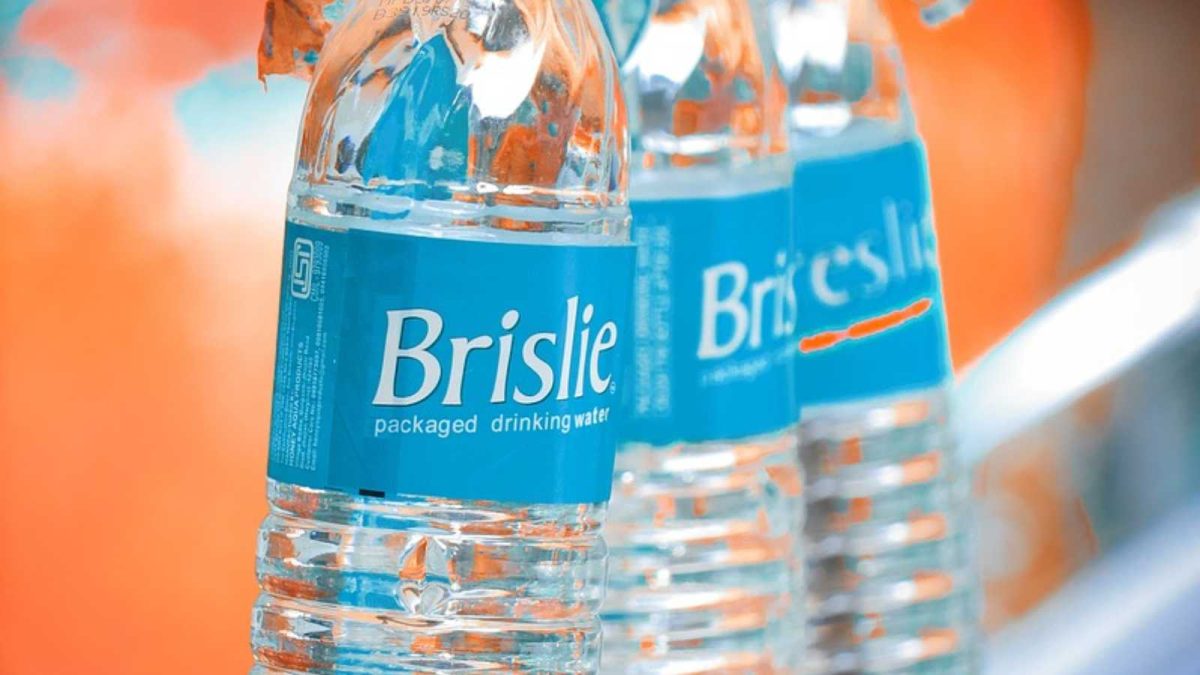
Bottled water is used to sell a clean idea. Purity. That image has become harder to defend as research on microplastics and nanoplastics gains attention. Columbia researchers testing three popular bottled water brands sold in the U.S. found between 110,000 and 370,000 plastic particles per liter, with about 90% of them identified as nanoplastics.
The health meaning is still being studied, but the emotional damage is already here. Consumers bought bottled water because it felt safer than tap water, not because they wanted a mystery about plastic particles. The more shoppers hear about PET bottles, cap abrasion, heat exposure, and tiny particles, the less bottled water starts to feel like a clean choice and the more like a complicated one.
Plant-Based Meat Substitutes
Plant-based meat is not losing trust because everyone rejected the idea. It is losing trust because the early promise was too simple. Many shoppers expected products that were healthier, better for the planet, affordable, and close in taste to meat. Then prices stayed high, ingredient lists raised questions, and taste did not always win over regular meat eaters.
Market data shows the pressure clearly. Plant-based meat and seafood sales in U.S. retail declined 10% in dollars and 11% in units in 2025, and household purchasing in the category fell from a 2021 high of 20% to 11% in 2025. The trust problem is not just health. It is about value, taste, processing, and whether the product delivers what the label promises.
Processed Meats Like Bacon and Hot Dogs

Bacon, hot dogs, sausage, and other processed meats still have loyal fans, but the health halo is gone. The World Health Organization’s cancer agency classified processed meat as carcinogenic to humans, with the strongest evidence tied to colorectal cancer. It is also estimated that each 50-gram daily portion of processed meat was associated with an 18% increase in colorectal cancer risk.
That does not mean one hot dog carries the same danger as smoking, and health experts are careful about that distinction. Still, the category now carries a warning label in the public imagination. Shoppers may still buy it, but fewer people see it as an everyday staple they never need to question.
High-Mercury Fish and Vague Seafood Labels

Seafood has a complicated trust story because it is widely recommended as part of a healthy diet, yet consumers worry about mercury, sourcing, freshness, and labeling. Federal guidance recommends seafood as part of a healthy diet, but it also advises pregnant or breastfeeding people to choose lower-mercury fish and eat 8 to 12 ounces a week of safer options.
That balance can confuse shoppers. Fish is good, but not every fish is a good choice for every person. A vague label that says “white fish,” “wild-caught,” or “imported seafood” may not answer the questions consumers now have. Trust rises when shoppers see species, source, catch method, and mercury guidance. Trust falls when the label asks them to guess.
Ground Beef and Raw Poultry

Ground beef and raw poultry are not new risks, but shoppers are more alert to what can go wrong before food reaches the pan. The CDC warns that raw meat, poultry, seafood, and eggs can contaminate ready-to-eat foods unless they are kept separate, and it reminds consumers that ground meats should reach 160°F and poultry should reach 165°F.
This category loses trust when recalls and public health alerts remind people that safe cooking is only the final defense. Consumers now want cleaner processing, stronger inspections, clearer recall communication, and packaging that helps prevent leaks in the cart and fridge. The meat aisle is still busy, but trust depends more than ever on proof rather than habit.
Conclusion
The foods losing consumer trust are not all “bad” foods. Many can still fit into a normal life, and some are perfectly safe when produced, handled, cooked, or carefully chosen. The bigger story is that shoppers are tired of blind trust. They want labels they can understand, recalls they can hear about quickly, ingredients that make sense, and brands that do not hide behind pretty packaging.
The modern grocery cart is becoming a quiet investigation. Every label, recall, lawsuit, outbreak, and ingredient debate teaches consumers to ask one more question before they