7 Shocking Truths About How Often You Should Shower as You Get Older
For many older adults, showering is a simple daily routine, hot water, soap, a quick scrub, and done. But beneath that comforting routine lies a quiet risk most people never think about. As the body ages, the skin becomes thinner, more fragile, and far less forgiving.
Habits that once felt harmless, daily hot showers, long baths, or vigorous scrubbing, can now strip away essential oils, weaken the skin barrier, and even increase the risk of irritation, infection, and falls.
The truth is, showering “more” does not always mean showering “better.” In fact, overbathing or using the wrong techniques can gradually accelerate skin aging and create health risks that build up over time without obvious warning signs. Doctors say the key is not just cleanliness, but balance, knowing how often to shower, how long to stay in the water, and how to protect the skin afterward.
Here are 7 important truths experts want older adults to understand about bathing safely, protecting the skin, and maintaining long-term health and comfort.
Skin Becomes Fragile With Age

Aging skin produces fewer natural oils, making it thinner, more fragile, and more prone to cracking, irritation, and rashes. Frequent hot showers strip these protective oils, leaving skin dry, red, and vulnerable to infections, which can develop quickly in older adults due to slower healing.
This fragility also means that even minor scrubbing or harsh cleansers can cause microtears that compromise the skin barrier, increasing susceptibility to bacteria, fungi, and viruses. We fix this by limiting showers to two to four times per week, using lukewarm water rather than hot water, and applying a thick, fragrance-free moisturizer immediately afterward.
Preserving natural oils is critical not only for preventing dryness but also for maintaining the skin’s ability to regulate temperature, retain moisture, and protect against environmental pollutants. Older adults should consider using mild, soap-free cleansers and gentle sponges or washcloths to avoid unnecessary irritation and help the skin maintain its natural resilience.
Daily Showers Can Do More Harm Than Good
Over-showering in older age can exacerbate dryness, increase itching, and even worsen conditions such as eczema, psoriasis, or dermatitis. The ritual that once felt refreshing may now accelerate skin aging, leaving it flaky, tight, and less elastic.
In addition, excessive bathing can disrupt the skin microbiome, which is vital for defending against infections, managing inflammation, and supporting the immune system. Doctors recommend focusing on key hygiene areas, such as the underarms, groin, face, and hands, while reducing full-body showers unless sweat, odor, or dirt levels demand more frequent bathing.
By concentrating on these critical zones, older adults can maintain cleanliness without unnecessarily exposing sensitive skin to water and harsh cleansers that strip natural protective oils. Combining sponge baths or partial cleanses with occasional full showers creates a practical, safe hygiene routine that balances comfort, cleanliness, and skin preservation.
High Activity Levels Require Careful Balance
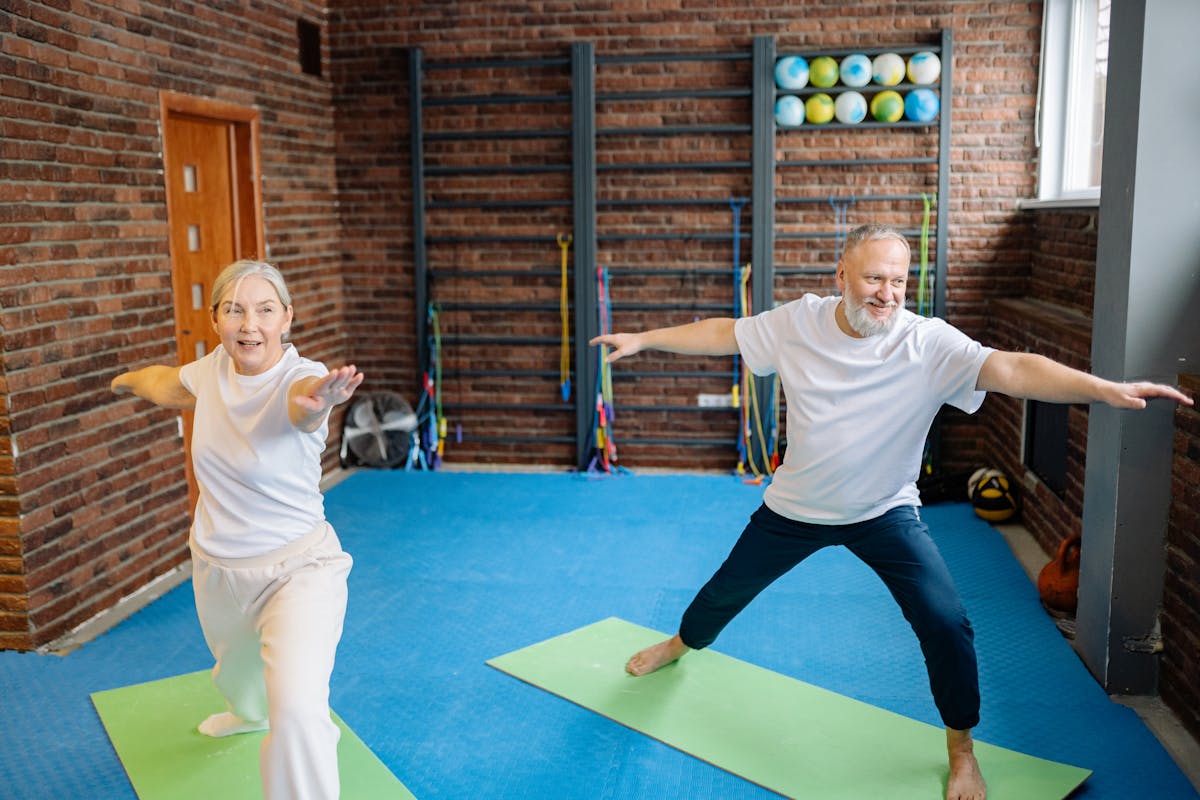
While physical activity may increase sweat and the desire to shower more often, aggressive cleansing afterward can harm delicate skin. Older adults who exercise or engage in outdoor activities may feel pressure to shower immediately, but hot water and friction from vigorous washing can strip essential oils, worsening dryness or irritation.
Additionally, excessive exposure to soaps and body washes can increase skin sensitivity and slow the healing of minor cuts or abrasions. Gentle rinses, partial cleanses, or sponge baths after exercise provide cleanliness without overstripping oils, helping keep both the skin and the body healthier overall. This method allows older adults to maintain personal hygiene while avoiding the negative consequences of overbathing.
Integrating immediate post-activity moisturizing and using soft, absorbent towels helps retain hydration and support the skin’s natural barrier, ultimately protecting both appearance and overall health.
Bathroom Falls Are a Serious Risk
Slippery floors, lack of support, and reduced mobility significantly increase the risk of falls in the shower for older adults. Each shower carries a risk, and frequent bathing without proper safety measures can be hazardous, sometimes resulting in serious injuries like fractures or head trauma.
Even minor slips can undermine confidence and discourage older adults from maintaining good hygiene, creating a negative cycle of decreased mobility and increased fall risk. We reduce danger by installing grab bars, using non-slip mats, and considering shower chairs or benches for stability. Limiting showers to a safe, manageable frequency lowers fall risk while maintaining cleanliness.
Additionally, ensuring proper lighting, keeping the bathroom free of clutter, and using temperature-controlled water can help prevent accidents, making showering both safer and less stressful for aging individuals.
Hot Water Accelerates Skin Aging

Hot water may feel soothing, but it damages fragile skin by accelerating moisture loss, increasing redness, and exacerbating dryness. Prolonged exposure to hot water can weaken the skin barrier, making it more susceptible to irritants, allergens, and environmental damage.
Over time, repeated exposure can contribute to visible signs of aging, such as fine lines, rougher texture, and a duller complexion, particularly in older adults with naturally thinner skin. Switching to warm water, shortening shower duration, and avoiding harsh scrubbing helps protect the skin barrier and prevents premature aging.
Older adults should use gentle, moisturizing cleansers and avoid abrasive sponges or brushes. By prioritizing moderate temperatures and shorter, more mindful showers, the skin maintains elasticity, hydration, and overall resilience while still achieving effective cleansing.
Moisturizing Is Non-Negotiable
Regardless of shower frequency, skipping post-bathing moisturizing leaves skin vulnerable to cracking, itching, and premature aging. Dry, compromised skin increases the risk of infection, reduces elasticity, and can exacerbate existing dermatologic conditions, leading to discomfort and potential medical complications.
Regularly neglecting moisturization diminishes the protective barrier that guards against environmental stressors and irritants. Doctors advise applying a thick, fragrance-free moisturizer immediately after drying the skin. This seals in hydration, preserves elasticity, and prevents damage from both water exposure and environmental elements.
Using creams or ointments with ingredients like ceramides or hyaluronic acid can strengthen the skin’s protective layer, keeping it smooth, supple, and resilient even with reduced bathing frequency. Consistency in moisturizing is key to maintaining long-term skin health and comfort.
Personal Habits Should Dictate Frequency

There is no universal bathing rule for older adults. Factors such as activity level, sweat, medical conditions, skin sensitivity, and mobility must all influence shower frequency. Overbathing can be as harmful as underbathing if it ignores the specific needs of an individual’s skin and body. Personalized routines that consider these factors can prevent dryness, irritation, and unnecessary health risks while maintaining proper hygiene.
Listening to the body, observing skin responses, and consulting a doctor or dermatologist for guidance help ensure a safe and effective routine. A tailored approach allows older adults to maintain hygiene, protect their skin, and reduce the risk of falls or other complications.
By balancing cleanliness, skin health, and personal comfort, older adults can optimize both safety and quality of life, preserving their health and confidence with every bathing session.
Adjusting shower frequency is more than a hygiene decision; it is a critical step in protecting skin, preventing injury, and maintaining overall health. Ignoring these seven truths can accelerate skin aging, increase the risk of falls, and compromise long-term well-being, while a mindful, doctor-informed routine promotes safety, comfort, and resilience well into later life.