12 Sleeping Positions That Quietly Make Your Body Feel Worse
Some sleep positions feel harmless because they are familiar. The body curls up, sinks into the mattress, and settles into the same shape night after night. Then, in the morning, a stiff neck, a sore back, heavy eyes, or a strange ache that seems to come from nowhere.
The truth is simple. A bad sleep position does not always cause immediate pain. It can quietly strain the neck, crowd the airway, twist the hips, press on the shoulders, or make reflux worse for hours. These are the sleeping positions and bedtime habits that may be making the body feel worse without making much noise.
Stomach Sleeping Can Twist the Neck for Hours
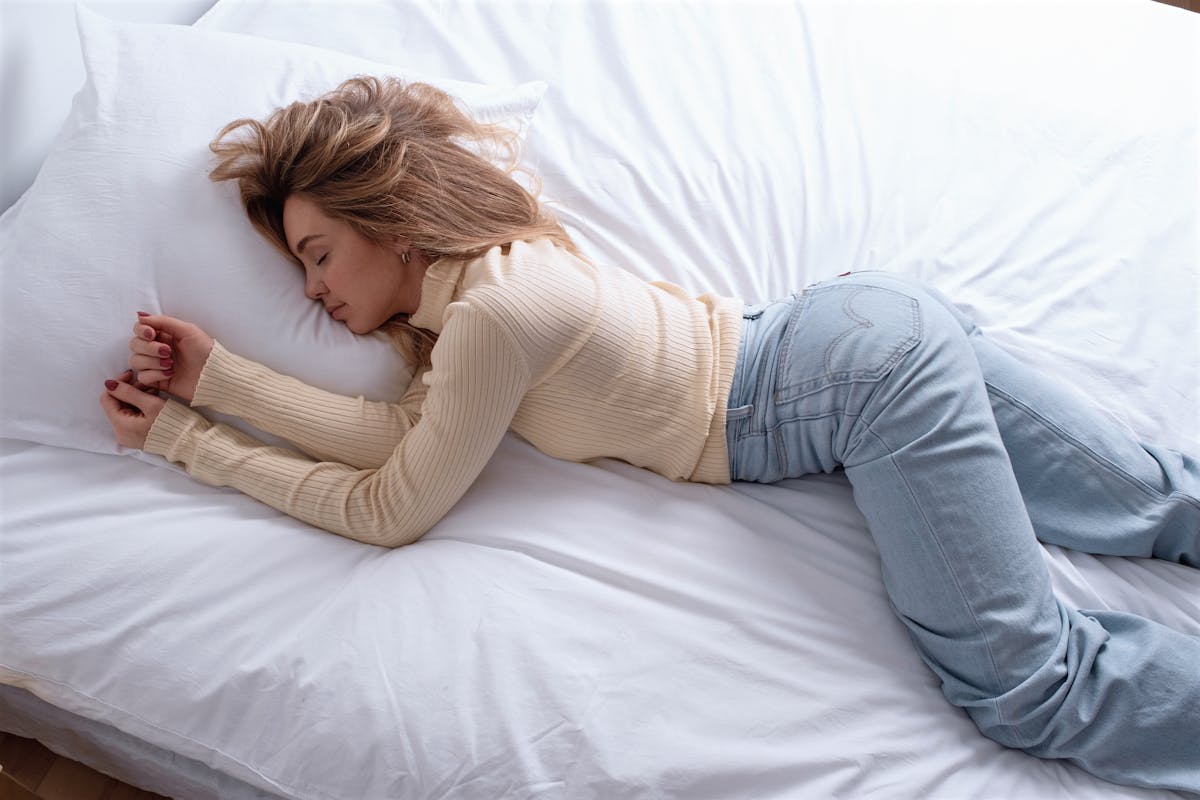
Stomach sleeping may feel comfortable at first, but it often puts the neck in a difficult position. Since the face cannot stay pressed straight into the pillow, the head usually turns to one side for a long time. That twist can tighten the neck, irritate the shoulders, and leave the upper back feeling sore by morning.
The lower back can also suffer in this position. The stomach and hips may sink into the mattress, causing the spine to arch more than it should. Over time, this can make the lower back feel tight, heavy, or painful after waking.
Sleeping With the Head Too High Can Strain the Neck
A tall pillow may look soft and luxurious, but it can push the head forward too far. This bends the neck and can leave the muscles tense by morning. It may also make the upper back feel tight.
The pillow should keep the neck in line with the chest and spine. Side sleepers often need more height than back sleepers, but the head should still stay level. If the chin feels tucked toward the chest, the pillow is probably too high.
Sleeping With the Head Too Low Can Also Cause Pain
A flat pillow can create the opposite problem. The head may drop backward or to the side, stretching the neck uncomfortably. This can cause stiffness, headaches, and soreness around the base of the skull.
The right pillow should fill the space created by the sleeping position. Side sleepers need support between the shoulder and the ear. Back sleepers need gentle support under the neck. Stomach sleepers usually need a very thin pillow, although stomach sleeping is often the hardest position on the neck.
Flat Back Sleeping Can Make Snoring Worse
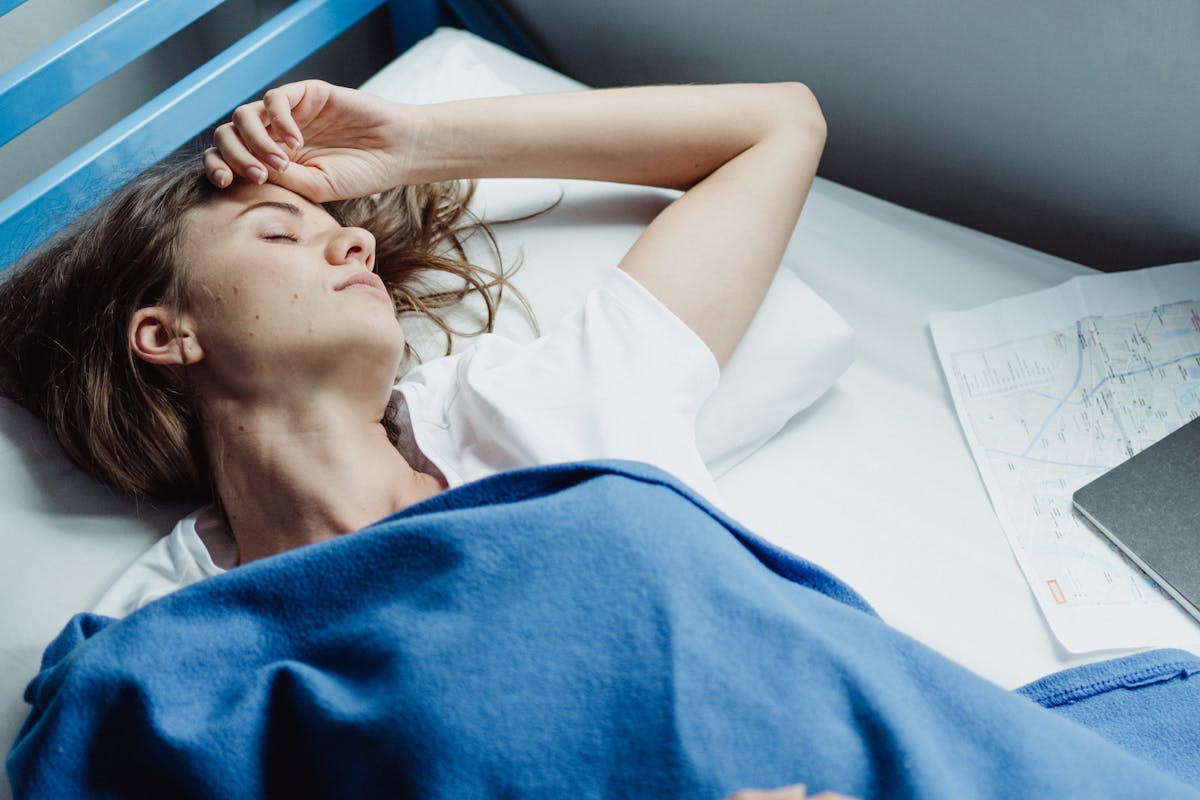
Back sleeping can support the spine for some people, but it can also make breathing worse for others. When we sleep flat on our backs, gravity can pull the tongue and soft tissues toward the throat. That can narrow the airway and make snoring louder.
This position can be especially rough for people with sleep apnea symptoms. A person may spend enough hours in bed and still wake up tired because breathing was interrupted through the night. Loud snoring, gasping, morning headaches, and daytime sleepiness are signs that flat-back sleeping may be causing a bigger problem.
The Tight Fetal Curl Can Compress the Body
The fetal position is one of the most common sleep positions, and a relaxed version can be fine. The problem begins when the body curls too tightly. The chin drops, the shoulders round forward, and the knees pull high toward the chest.
That tight curl can leave the body feeling cramped instead of rested. It may reduce deep breathing, strain the upper back, and make the hips feel stiff. A looser side position with a pillow between the knees is usually kinder to the spine.
Twisting the Hips Can Wake Up the Lower Back
Some people sleep half on their side and half on their stomach. This twisted position can feel relaxing at first, but it often pulls the hips out of line. The top leg may fall forward, rotating the pelvis and stressing the lower back.
This twist can cause mysterious morning stiffness. The fix can be simple. A pillow between the knees or a body pillow in front of the torso can keep the hips stacked and reduce the urge to roll forward.
Sleeping Face Down Can Press on the Jaw and Skin
Face down sleeping not only affects the neck and back. It can also press the jaw, cheek, and side of the face into the pillow for hours. This pressure may cause jaw tension, facial puffiness, or skin irritation in some people.
The jaw can become especially sensitive if a person already clenches their teeth at night. Pressure from the pillow may add more strain to the face and neck. Side or back sleeping can reduce that direct facial pressure and help the head rest in a more natural position.
Sleeping With One Arm Under the Pillow Can Numb the Shoulder
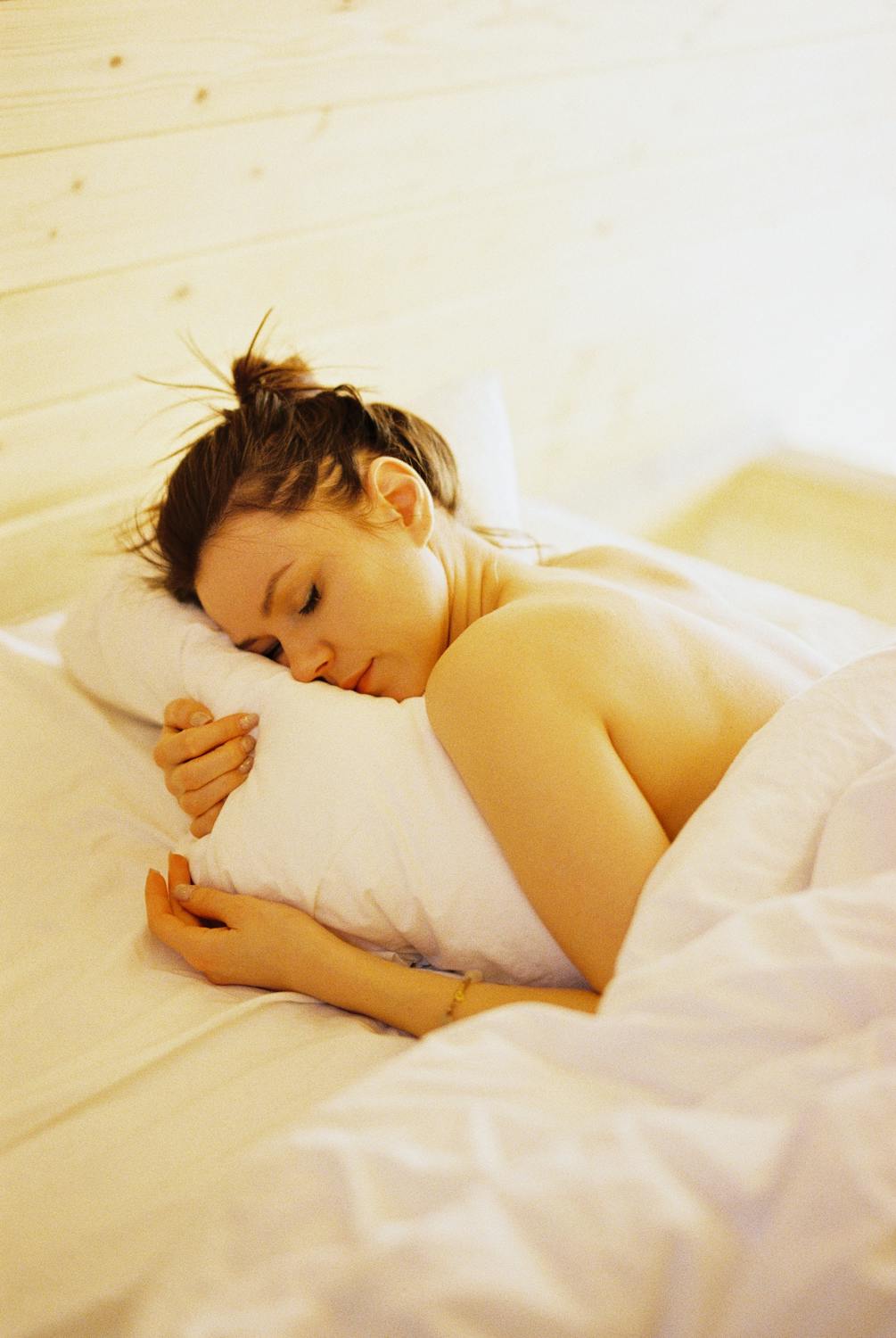
Many people tuck one arm under the pillow because it feels cozy. The problem is that the shoulder and nerves may stay under pressure for hours. That can lead to tingling, numb fingers, shoulder pain, or a heavy feeling in the arm.
This habit can also push the neck into an awkward angle. The head may tilt upward or to the side, forcing the neck muscles to work all night. A better setup keeps the arm in front of the body or supported by a pillow, rather than having it trapped under body weight.
Sleeping on the Same Side Every Night Can Irritate the Hip
Side sleeping is often healthy, but sleeping on the same side every night can create pressure problems. The lower hip takes most of the weight against the mattress. If the mattress is too firm, that pressure can turn into soreness.
The shoulder on that same side may also become irritated. A pillow between the knees can help the hips stay level, and switching sides can reduce repeated pressure. If one hip or shoulder always hurts in the morning, the body may be asking for better support.
Sleeping Flat After a Heavy Meal Can Worsen Reflux
The body does not digest a heavy late meal quietly. Lying flat too soon after eating can make acid reflux worse, especially for people who already deal with heartburn. The burning feeling may show up in the chest, throat, or mouth during the night.
Back sleeping can make this worse when the upper body is completely flat. Sleeping on the left side with a slight upper-body incline may be more comfortable for some people. Eating earlier and avoiding oversized dinners can also help the body rest instead of fighting digestion all night.
Ignoring Morning Pain Can Keep the Cycle Going
The worst sleep position is not always the one with the scariest name. It is the one that keeps causing pain and still gets repeated every night. Morning stiffness, numb arms, sore hips, dry mouth, headaches, and tiredness are clues worth taking seriously.
The body gives feedback after every night of sleep. If the same ache recurs, the position, pillow, or mattress may need to be changed. Better sleep does not always require a dramatic routine. Sometimes it starts with one pillow moved to the right place.
Back Sleeping During Late Pregnancy Can Increase Discomfort

During the later months of pregnancy, sleeping flat on the back can become uncomfortable. The growing belly can place pressure on major blood vessels, the spine, and internal organs. This may lead to back pain, breathing discomfort, dizziness, or poor rest.
Side sleeping is usually more comfortable during this stage. A pillow between the knees, one under the belly, and another behind the back can make the position easier. The goal is not to stay frozen all night, but to give the body support that reduces pressure.
Conclusion
A sleep position can be comfortable and still be harmful. Stomach sleeping can twist the neck, flat back sleeping can worsen snoring, tight curling can compress the body, and poor pillow height can strain the spine. The best position is the one that helps breathing stay steady, keeps the neck and back aligned, and allows the body to wake up looser than it felt the night before.
Bad sleep positions are sneaky because they do their damage slowly. They do not always wake us up with sharp pain. Instead, they leave small clues in the morning, like tight shoulders, a stiff neck, sore hips, heavy eyes, or a back that needs time to loosen.
The body deserves better than a nightly position that quietly works against it. A supportive pillow, a knee cushion, a small change in sleeping side, or a shift away from stomach sleeping can make rest feel more like recovery again. Sleep should not leave the body feeling punished. It should help the body return to its normal state.