12 U.S. States Where Poverty Hits Hardest
Poverty isn’t spread evenly across the United States. Some states consistently see higher rates of residents struggling to make ends meet. These pockets of economic hardship reflect historical inequality, job scarcity, and systemic barriers. From the Deep South to Appalachia, millions of Americans live in households juggling rising costs with limited incomes.
Here’s a closer look at 12 states where poverty has a stubborn grip, painting a picture of how uneven prosperity really is in America today.
Mississippi

Mississippi leads the nation in poverty, with roughly one in six residents living below the federal poverty line. Economic opportunity remains limited, wages lag, and many communities struggle with underfunded schools and healthcare gaps. The state’s rural landscape and declining industries exacerbate financial stress, leaving families to navigate scarce jobs and rising costs.
Louisiana
Louisiana faces persistent economic hardship, particularly in urban centers and rural parishes. High poverty rates reflect income inequality, fluctuating job markets, and limited access to quality education. Households here often contend with high living costs while wages remain stagnant, creating cycles of financial instability that span generations.
New Mexico
New Mexico combines high poverty with uneven infrastructure and job access. Communities frequently face underemployment and limited access to health services, which compound financial struggles. Families often rely on low-paying jobs and seasonal work, making consistent financial security a challenge for many residents.
West Virginia
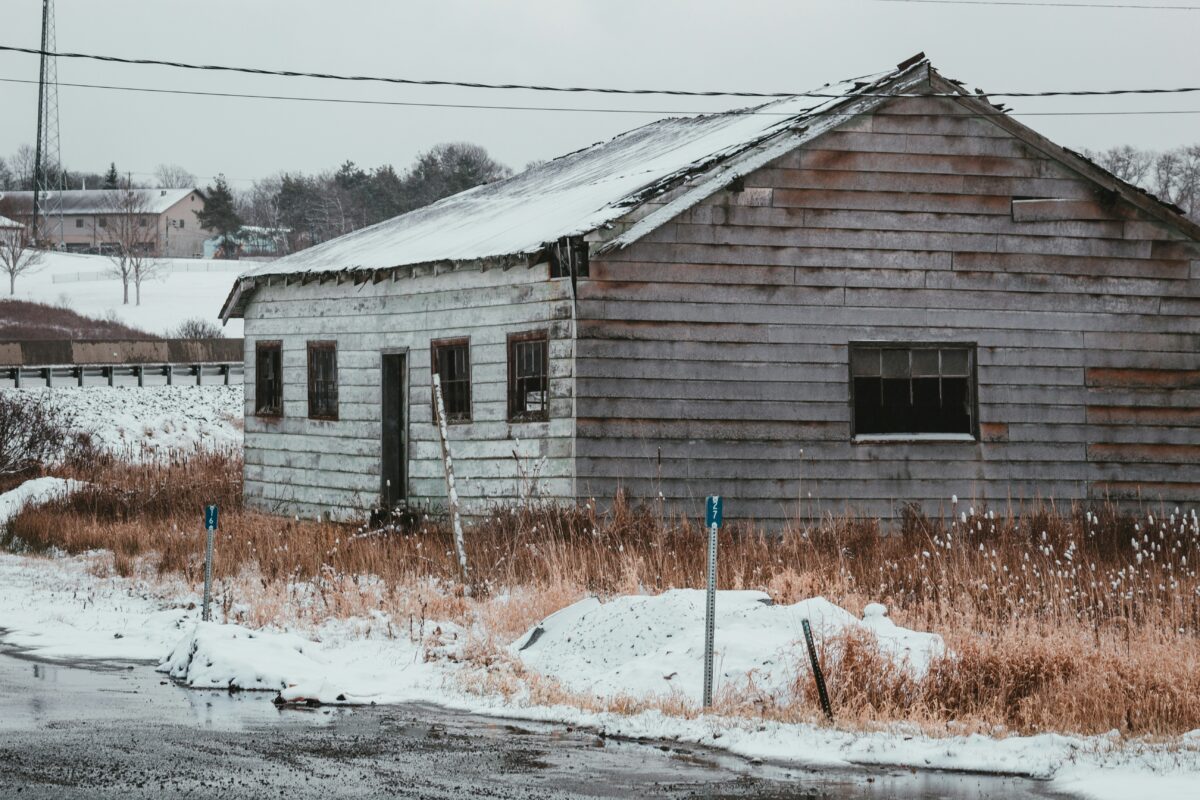
The decline of coal and manufacturing jobs has left deep economic scars across West Virginia. High unemployment and underfunded education systems create persistent poverty pockets. Many residents face health disparities and limited opportunities, keeping the state near the top of national poverty rankings year after year.
Arkansas
Arkansas battles poverty through widespread rural challenges and income disparities. While some urban centers show economic growth, many rural communities lag behind, struggling with low-wage jobs and scarce public services. These conditions contribute to a persistent cycle of financial instability affecting thousands of families.
Kentucky
Kentucky’s poverty is concentrated in rural Appalachia, where job loss and low wages dominate local economies. Access to healthcare and education remains uneven, compounding economic vulnerability. Generational poverty continues to challenge families seeking long-term stability and upward mobility.
Alabama

Alabama’s economic struggles reflect high poverty rates, particularly outside major metropolitan areas. Residents face limited access to well-paying jobs, healthcare, and education. Economic stagnation and reliance on traditional industries leave many families living paycheck to paycheck.
Oklahoma
Oklahoma experiences elevated poverty rates tied to both rural and urban challenges. Many communities rely on low-paying service or energy sector jobs, leaving residents vulnerable to economic swings. The state also faces disparities in education and healthcare access, keeping poverty levels high.
Georgia
While metropolitan hubs thrive, Georgia’s rural counties reveal stark poverty. Households face barriers to economic opportunity, and underfunded public systems contribute to long-term financial struggles. Disparities between urban and rural regions highlight the uneven distribution of wealth and resources.
Arizona
Arizona rounds out the list with pockets of high poverty, particularly in rural and tribal areas. Housing costs rise faster than wages in many regions, and limited access to healthcare and education deepens economic insecurity. Many residents face systemic barriers that prevent stable, long-term financial growth.
Nevada
Nevada’s poverty issues often hide behind the glitz of major cities like Las Vegas. Rural counties see high unemployment and limited social services, leaving families with few economic options. Seasonal tourism jobs dominate, creating income instability that leaves many residents living on the edge of financial hardship.
Florida
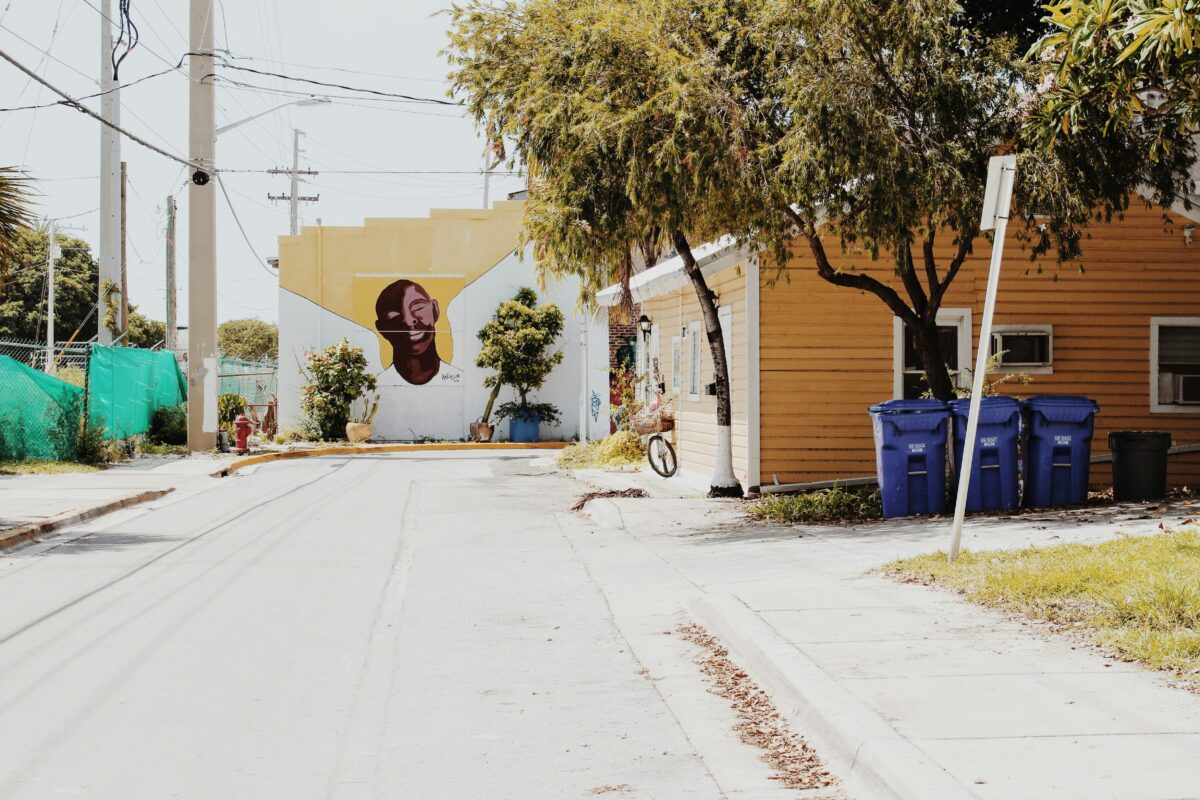
Florida shows a stark divide between wealthy coastal areas and struggling inland regions. High living costs, coupled with low-wage service jobs, keep poverty levels elevated in parts of the state. Families often face housing challenges, healthcare gaps, and limited access to well-paying employment, which sustain long-term economic pressure.
Conclusion
Poverty remains a persistent and uneven challenge across the U.S., shaped by geography, industry decline, and systemic inequalities. These 12 states illustrate that financial hardship is not just a personal issue but a regional and structural one. Recognizing where poverty is highest helps policymakers and communities focus on solutions that target those most in need.