15 American Foods People Should Stop Defending
Some foods are beloved for reasons that have very little to do with how good they actually taste.
American food has plenty of masterpieces, from smoky barbecue to buttery biscuits and genuinely great regional cooking. But every cuisine has dishes that survive mostly because of nostalgia, convenience, or because somebody’s grandmother insists they are “the real thing.” Here are 15 that deserve a little less defending.
Canned Cranberry Sauce
It comes out of the can with the exact shape of the can, which feels like a warning.
Fresh cranberry sauce can be bright, tart, and surprisingly complex. The canned version, however, often lands somewhere between fruit spread and edible jelly brick. There is nothing wrong with convenience, but when the most memorable part of the dish is the satisfying slurp as it leaves the can, we may have a problem.
Green Bean Casserole
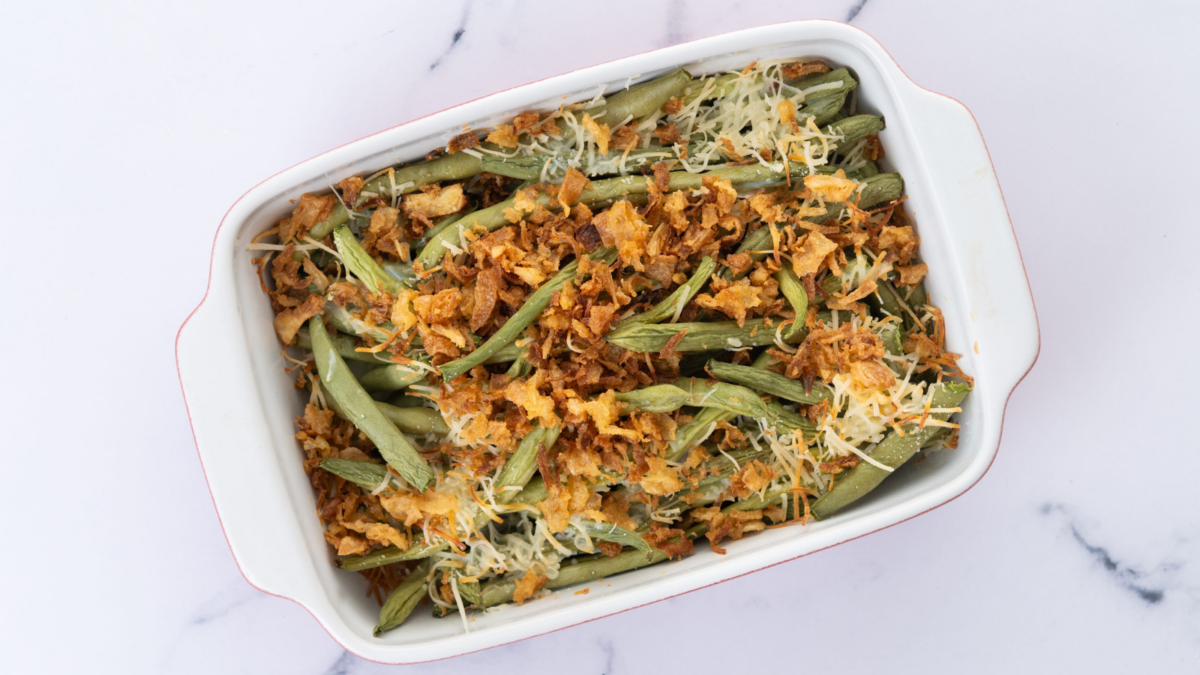
This Thanksgiving classic is basically a six-ingredient monument to convenience cooking.
Dorcas Reilly developed the original recipe in a Campbell’s test kitchen in 1955 using canned green beans, mushroom soup, and fried onions. The dish was designed to be inexpensive, simple, and quick, which helped turn it into a Thanksgiving institution. Smithsonian’s history of green bean casserole
The history is fascinating, but the finished dish can be mushy, salty, and strangely beige. Fresh beans, actual mushrooms, and properly fried onions can turn the idea into something considerably better.
Ranch on Absolutely Everything
Ranch dressing is good until someone starts treating it like a beverage.
A little ranch with vegetables or wings makes sense. Ranch on pizza, fries, burgers, and every appetizer on the table starts to feel less like seasoning and more like surrender. There is a difference between a condiment complementing food and a condiment becoming the food.
Sweet Potato Casserole With Marshmallows
Sweet potatoes did not need dessert disguised as a vegetable side.
Sweet potatoes already have plenty of natural sweetness and a wonderfully creamy texture when cooked properly. Covering them with brown sugar, butter, and marshmallows can bury those qualities beneath a sugar rush. If the dish could reasonably be served beside pumpkin pie, we should stop pretending it is a vegetable side.
American Cheese Slices
Calling it cheese doesn’t automatically make it exciting.
Processed American cheese became popular because it offered consistency and excellent melting qualities. That makes it extremely useful for burgers and grilled cheese sandwiches, but usefulness isn’t the same as culinary greatness. A slice that melts perfectly can still be fairly boring on its own.
Tater Tot Hotdish
At some point, a casserole stops being comforting and starts looking like a freezer clean-out.
Tater Tots themselves have a surprisingly clever origin. Brothers Nephi and Golden Grigg developed them in Oregon in 1953 to use leftover potato pieces that would otherwise have been discarded. Oregon Encyclopedia’s history of Tater Tots
That origin story is genuinely impressive. The resulting hotdish, however, can be a heavy combination of ground beef, canned soup, frozen vegetables, and potato nuggets. Crispy tots are fun; burying them under a mountain of beige ingredients is another matter.
Jell-O Salad
Nothing says “please don’t ask questions” quite like lime gelatin containing mayonnaise and cheese.
Congealed salads became hugely fashionable in mid-century America, with gelatin appearing in sweet, savory and bizarrely hybrid combinations. The appeal was partly visual and partly practical: gelatin could hold almost anything together. Still, some food combinations are better appreciated as historical artifacts than dinner.
The Basic TV Dinner
Few meals have ever promised so much convenience while asking so little from your taste buds.
Swanson’s famous TV dinner arrived in 1954 after the company faced an enormous surplus of frozen Thanksgiving turkey. The idea turned leftovers into a frozen meal that could be heated in a tray while families watched television. Smithsonian’s history of the TV dinner
The invention was culturally important and enormously successful. But the peas touching the mashed potatoes while everything tastes faintly of the same gravy? Less revolutionary.
Corn Dogs
A sausage wearing a deep-fried cornmeal coat is fun, but let’s not pretend it is haute cuisine.
Corn dogs belong at fairs, ballparks and childhood memories. They are wonderfully messy, portable, and deeply American in spirit. But when someone starts describing one as a sophisticated culinary achievement, it may be time to lower expectations.
Related: 7 Worst American Foods That Leave International Visitors Horrified
Sloppy Joes
The name was honest from the beginning: this sandwich is, in fact, sloppy.
A properly seasoned Sloppy Joe can be nostalgic and satisfying, but many versions reduce ground beef to a sweet tomato-colored filling that leaks through the bun from the first bite. You need a napkin before you’ve even finished opening your mouth.
Ambrosia Salad
Calling marshmallows, canned fruit, and creamy dressing a salad does not make it a salad.
American potluck cooking has something wonderfully chaotic about it. Still, ambrosia often crosses the line from eccentric side dish into dessert that got lost on its way to the correct table. If it contains marshmallows and whipped topping, we can stop pretending lettuce is hiding somewhere.
Canned Biscuits
A homemade biscuit can be flaky, buttery, and delicate; the canned version sometimes tastes like it was manufactured during a minor emergency.
The convenience is undeniable, particularly on busy mornings. But biscuits are one of those foods where a little extra effort pays off dramatically. Flour, butter, buttermilk, and a hot oven can produce something far more satisfying than dough that arrives with a dramatic cardboard-pop.
Frozen Pizza
It is pizza in the same way a postcard is a vacation.
Some frozen pizzas are perfectly respectable emergency food, especially after midnight. But comparing a thin, crispy pie from a good neighborhood pizzeria with a frozen disc loaded with rubbery cheese is like comparing freshly brewed coffee with a vending-machine cup. Both technically work. The experience is different.
Casserole Everything
America’s love affair with the casserole occasionally feels like a conspiracy involving one baking dish and three cans of soup.
The casserole became a practical way to feed families, stretch ingredients, and make meals ahead. That history deserves respect. But combining every available ingredient under a layer of melted cheese does not automatically create harmony. Sometimes vegetables deserve to remain identifiable.
Overloaded Loaded Fries
There is a point where fries stop being fries and become a structural engineering project.
Cheese, bacon, sour cream, ranch, jalapeños, and every other available topping can certainly create a spectacular pile. But the more toppings you add, the faster the fries lose their crispness. A great plate of fries needs contrast; drowning everything in sauce isn’t the same as improving it.
Maybe We Can Admit It
Not every nostalgic American food needs rescuing from criticism simply because we grew up eating it.
Food can be culturally important, historically fascinating, and still mediocre on the plate. The good news is that many of these dishes contain the seeds of something better: fresh green beans instead of canned ones, homemade biscuits instead of packaged dough, properly seasoned potatoes instead of a frozen casserole.
And sometimes improving what we eat does not require completely changing our lives. Small changes to everyday routines can make meals and the rest of the day feel different, especially when we pay more attention to what gives us lasting energy and a better mood.
Nostalgia has its place at the dinner table. It just should not get the final vote every time. Which American food would you add to this list—and which one are you prepared to defend to the death?