5 Breakfast Foods That Can Turn Morning Coffee Into a Digestive and Energy Disaster
Morning coffee feels harmless because it is familiar, comforting, and almost sacred. We pour it before emails, before breakfast, before conversation, and sometimes before our brains fully clock in.
Coffee itself can fit into a healthy routine, and research has linked regular coffee drinking to several potential health benefits, including a lower risk of some chronic diseases. The problem starts when we treat coffee as if it pairs well with every breakfast item on the plate.
Some foods clash with coffee because they stack acid on acid. Others make caffeine hit harder, interfere with mineral absorption, spike blood sugar, or turn a simple breakfast into a heavy mix of fat, sodium, and digestive stress.
We do not need to fear coffee, but we should stop pretending that a mug of hot caffeine can magically balance a donut, bacon sandwich, orange juice, and fortified cereal all at once.
Citrus Fruits and Orange Juice

Orange juice, grapefruit, lemons, and other citrus fruits already bring a sharp acidic punch to breakfast. Coffee adds its own natural acids, and caffeine may also increase stomach acid production or relax the valve between the stomach and esophagus in people prone to reflux.
That combination can make the morning feel less like a fresh start and more like a slow burn behind the chest. Caffeine can increase stomach acid and may worsen reflux symptoms for some people.
This does not mean every person must ban citrus from breakfast forever. The issue is timing and sensitivity. If we already deal with heartburn, sour burps, nausea, gastritis symptoms, or reflux after coffee, drinking orange juice beside a strong black brew is a poor gamble.
A gentler move is to eat citrus later in the day, choose low-acid fruit such as a banana or melon in the morning, or pair coffee with oatmeal, toast, eggs, or yogurt instead.
Iron-Fortified Cereal

Iron-fortified cereal seems like a smart breakfast choice, especially for people who don’t eat much meat.
The problem is that coffee contains compounds that can reduce iron absorption, especially non-heme iron, the type found in plant foods and fortified grain products.
Studies explain that tea, coffee, and wine contain tannins that reduce iron absorption by binding to iron and carrying it out of the body. Iron-fortified cereals, whole grains, legumes, and many plant-based foods rely heavily on this non-heme form of iron.
That matters most for menstruating women, pregnant people, regular blood donors, vegetarians, vegans, athletes, and anyone already managing low iron or fatigue linked to iron deficiency.
We can still eat fortified cereal, but we should avoid washing it down with coffee when iron intake is the goal.
A better plan is to eat the cereal first, wait at least an hour before coffee, and include vitamin C-rich foods later to support iron absorption. The small habit shift can make a basic breakfast work harder.
Steak, Bacon, and Red Meat
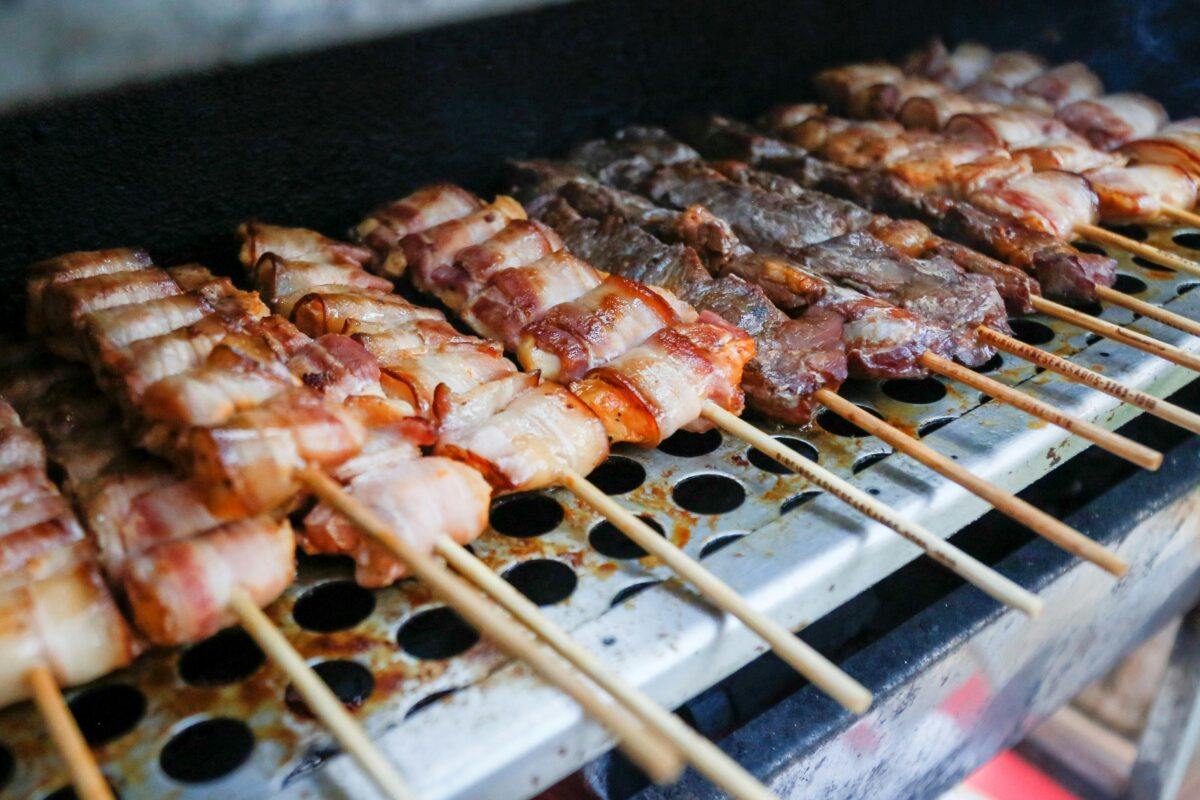
A steak-and-eggs breakfast or bacon-loaded sandwich may feel satisfying, but coffee does not make that meal lighter. Red meat can supply heme iron, which the body absorbs more easily than non-heme iron, yet coffee can still interfere with iron absorption from meals.
Heavy meat breakfasts also tend to bring saturated fat, salt, and slow digestion into the morning.
The American Heart Association warns that eating too much saturated fat can raise LDL cholesterol, and saturated fat is common in beef, pork, butter, cheese, and some fried foods.
The bigger issue is the full breakfast pattern. A greasy sausage sandwich with cheese, hash browns, and a large coffee creates a stack of caffeine, fat, sodium, and digestive workload before the day has even started.
Fatty foods also take longer to digest and can increase the risk of acid reflux, especially for people with reflux. If we want protein, coffee with eggs, Greek yogurt, cottage cheese, tofu scramble, beans, or nut butter on whole-grain toast are usually cleaner morning choices.
Fried Foods
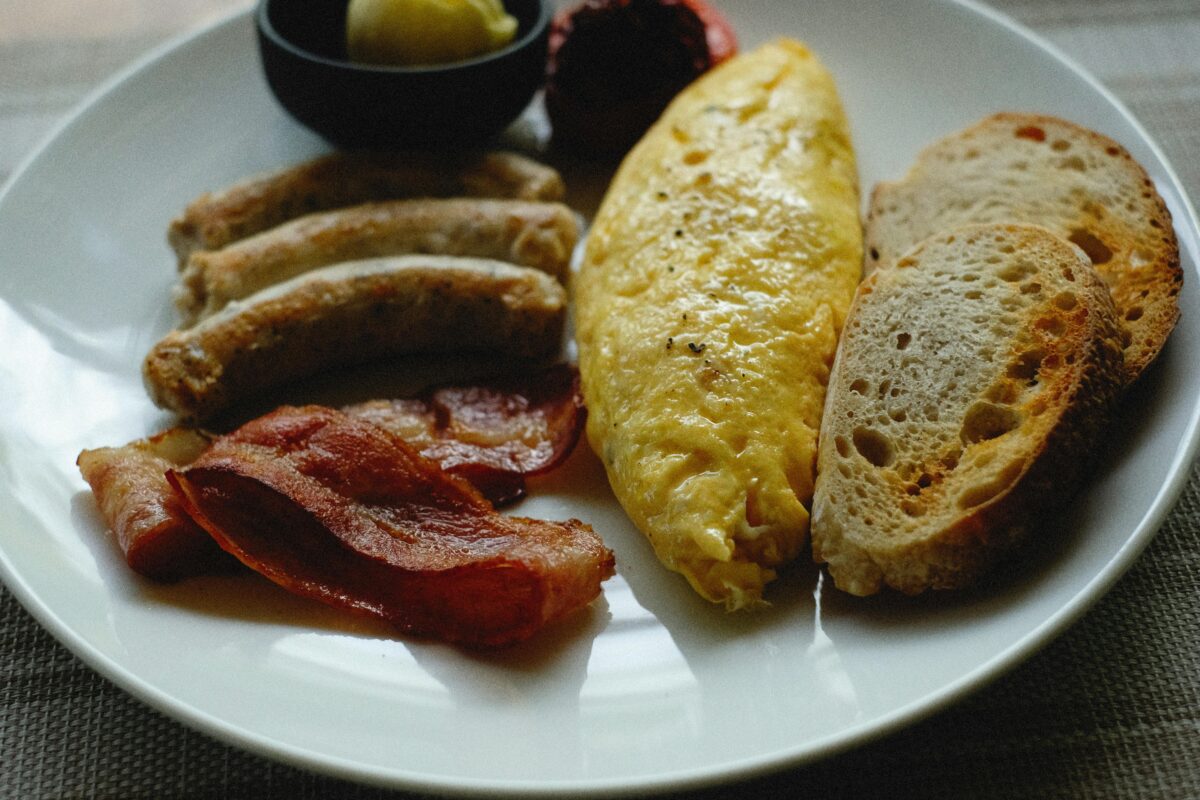
Fried breakfast foods are some of the worst partners for morning coffee. Hash browns, fried sausages, fried chicken biscuits, greasy egg sandwiches, and fast-food breakfast platters often leave a heavy feeling in the stomach.
Coffee may speed up gut function for some people, but it does not reduce the digestive burden of a high-fat meal. Fatty foods increase stomach acid and take longer to digest, creating more opportunity for acid reflux.
There is also the heart-health angle. Fried foods often contain saturated fats, and some may include unhealthy trans fat exposure depending on preparation and ingredients. Limit saturated fat and avoid trans fats, as they can raise LDL cholesterol and increase cardiovascular risk.
A better coffee breakfast keeps the same comfort without the grease: baked potatoes instead of hash browns, scrambled eggs instead of fried sausage, avocado toast instead of a fried breakfast sandwich, or oatmeal with nuts instead of a fast-food combo.
Donuts, Sweet Muffins, and Pastries

A donut and coffee may be a classic pairing, but it is not a stable breakfast. Sugary pastries bring refined flour, added sugar, and often saturated fat. Coffee adds stimulation, so the meal can feel energizing at first.
Then the blood sugar dip arrives, focus fades, hunger returns, and we start chasing the next cup. Harvard’s Nutrition Source notes that simple carbohydrates can be quickly used by the body, often leading to faster rises in blood sugar and insulin secretion.
This pairing gets worse when the coffee itself becomes dessert. Sweetened creamers, syrups, whipped toppings, and flavored lattes can turn one breakfast into a sugar-heavy drink plus a sugar-heavy food.
If we want something sweet with coffee, we should make it slower and steadier: oatmeal with cinnamon, whole-grain toast with peanut butter, plain yogurt with berries, or a homemade muffin with nuts and less added sugar.
Better Foods to Eat With Morning Coffee
The best coffee breakfasts do three things well. They slow caffeine absorption, protect the stomach, and provide steady energy. Studies suggest that Fiber-rich, healthy fat, and protein-rich foods are beneficial for people who experience side effects from coffee on an empty stomach.
These foods can slow digestion and caffeine absorption, which may reduce jitters and energy crashes.
Strong options include oatmeal with nuts, whole-grain toast with avocado, eggs with vegetables, Greek yogurt with berries, cottage cheese, chia pudding, banana with peanut butter, or a small breakfast wrap with lean protein.
These choices do not fight coffee the way citrus, fried foods, processed meats, and sugary pastries often do. They make coffee feel like part of a routine rather than the only thing holding the morning together.
How Long Should We Wait After Breakfast Before Coffee?

There is no perfect coffee clock for every person. Some people can drink coffee with breakfast and feel fine. Others need to eat first, wait, and then drink coffee when their stomach feels settled.
To improve mineral absorption, space coffee by about 1 to 2 hours from iron-rich or fortified meals. For reflux, the timing depends more on symptoms: if coffee burns after citrus, fried, or spicy foods, separate them and track what changes.
We should also look at the coffee itself. Black coffee is not the same as a large caramel latte with whipped cream. One small cup is not the same as four strong mugs before noon.
A balanced breakfast can smooth the rough edges of caffeine, but it cannot fully rescue a high-sugar drink, a greasy sandwich, or a stressed morning routine.
Conclusion
Coffee does not ruin breakfast. Bad pairings do. Citrus can make coffee feel harsher on the stomach, fortified cereals can lose some of their iron value, fried foods can worsen reflux, pastries can trigger a sugar crash, processed meats can overload on sodium, and dairy-heavy or mineral-focused breakfasts may deserve better timing.
The smartest coffee routine is simple: pair it with protein, fiber, and healthy fats, then move problem foods out of reach of the mug.
A better morning does not require giving up coffee. It requires treating coffee like a powerful part of breakfast, not a magic eraser for whatever lands on the plate.