5 Leftovers You’ll Want to Get Out of Foil Before They Hit the Fridge
Aluminum foil is one of the most useful things in the kitchen. It can cover a casserole, tent a roast, wrap relatively dry foods, or add another layer of protection around something headed for the freezer.
But some leftovers are better off somewhere else. The issue isn’t that you should avoid foil altogether. Wet foods that are strongly acidic, heavily salted, or both can interact more readily with aluminum when they remain in direct contact for a long period. Acidity, moisture, salt, temperature, and contact time can all influence that interaction.
For these five types of leftovers, a lidded glass or other appropriate food-storage container is often the better choice.
Tomato-Based Leftovers
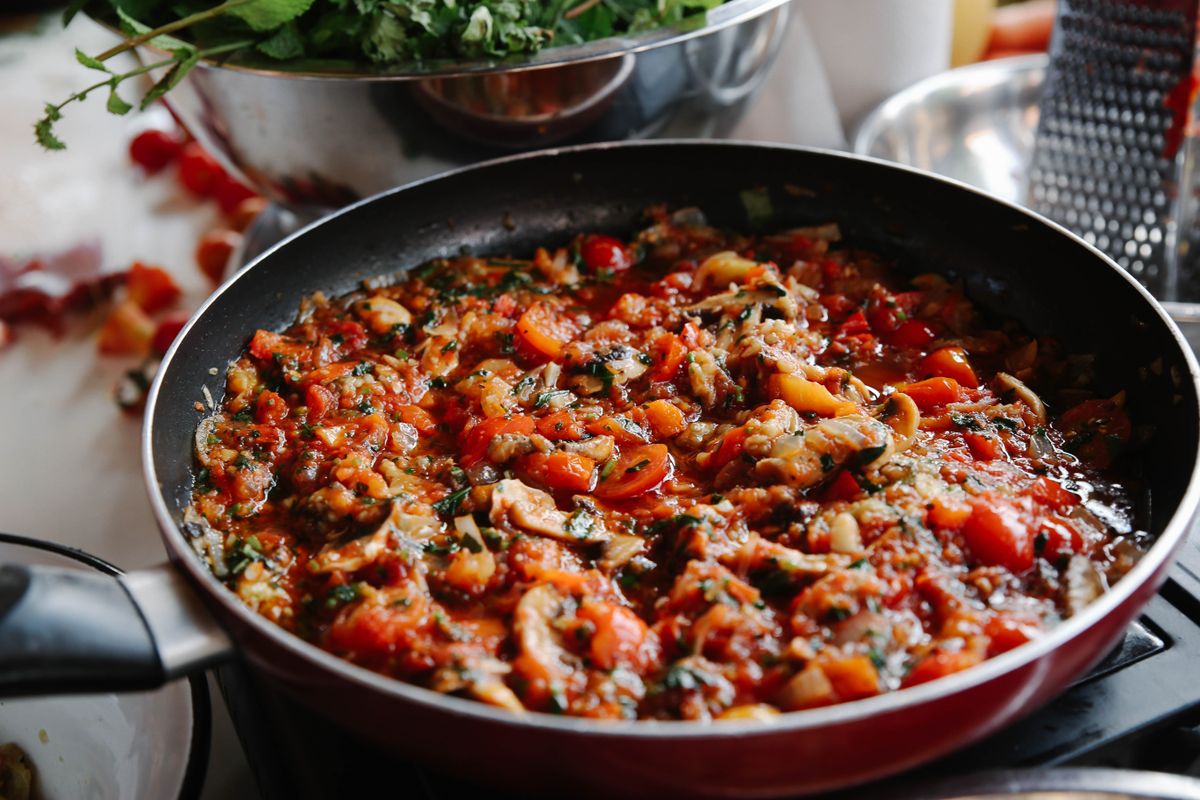
Marinara, chili, tomato-heavy pasta and similar dishes combine two important factors: moisture and acidity. Research on aluminum-food contact indicates that , pH, temperature, and storage time can influence how much interaction occurs food compositionbetween foil and food.
That does not mean a tomato briefly touching foil is automatically a problem. Longer direct contact with a wet sauce is different. For tomato-based leftovers, transfer the food to a shallow glass or food-safe container with a fitted lid.
If you use foil only as a loose cover and it doesn’t touch the sauce, that is different from pressing it directly against the food.
Related: . 4 Ways Your “Food Storage Routine” Is Slowly Emptying Your Wallet
Citrus-Heavy Foods
Lemon and lime add plenty of flavor, but their acidity also makes citrus-heavy dishes less ideal for prolonged direct contact with foil.
That includes lemony chicken, citrus sauces, lime-marinated cooked foods, and fruit salads dressed with lemon juice. Low-pH conditions are one factor associated with greater aluminum corrosion or transfer, particularly when moisture and longer contact times are involved.
A glass or ceramic container with a fitted lid is a simple storage option. Brief contact with foil is not the same as leaving a wet citrus-heavy dish pressed against it in the refrigerator for an extended period.
Vinegar-Based Foods
Pickles may be the obvious example, but vinegar shows up in plenty of leftovers. Vinaigrette-dressed salads, vinegar-forward barbecue sauces, relishes, slaws and marinades all contain acidic liquid that can remain in direct contact with foil.
Published corrosion research has specifically examined aluminum foil in contact with acetic-acid solutions and found that factors including pH, temperature, and duration affect the interaction.
Commercially pickled foods can generally stay in their original jar when the label allows. Other vinegar-heavy leftovers are better transferred to a glass jar or lidded storage container.
Wet, Heavily Salted Foods
The key word here is wet. A lightly salted dry food is different from brined meat, salty fish, cured meat sitting in juices, or a heavily seasoned sauce.
Salt dissolved in moisture can create conditions that interfere with aluminum’s protective surface layer. The effect can become more relevant when salt appears alongside acidity, heat, or prolonged storage.
For brined foods, salty meat or fish leftovers, and wet salty sauces, use a lidded nonreactive container that keeps the liquid contained instead of pressing foil directly onto the food.
Salty, Acidic Fermented Foods
Foods such as sauerkraut and kimchi combine two of the conditions already worth paying attention to: acidity and salt. The research brief identifies salty, acidic fermented foods as another category where direct foil contact is less desirable.
Both low pH and salt can contribute to conditions that disrupt aluminum’s protective surface, particularly when moisture and longer contact times are also involved.
Instead of wrapping leftovers directly in foil, keep them in a lidded nonreactive container. The basic idea is the same as with vinegar-heavy or brined foods: wet, acidic, and salty ingredients are better separated from prolonged direct contact with aluminum.
The Real Issue Is Contact, Not Foil Itself
Advice like this can easily turn into an exaggerated “never use foil” warning, but the evidence doesn’t support that.
Foil still works well for many everyday kitchen jobs. It can tent food, cover a dish without touching its contents, wrap relatively dry foods for short periods, or provide an additional freezer barrier around something already properly packaged.
What matters is what touches the foil and for how long. A foil sheet stretched loosely over a casserole dish is not the same as foil pressed directly into tomato sauce, a citrus marinade, or salty brine.
The Easy Rule to Remember
If a leftover is wet and strongly acidic, heavily salted, or both, reach for a lidded container instead of wrapping it tightly in foil.
That covers tomato-heavy sauces, citrus dishes, vinegar-based foods, wet salty preparations, and salty fermented foods.
For leftovers generally, shallow covered containers are also useful for refrigeration, and perishable foods should be refrigerated promptly rather than left sitting out while they completely cool.
Foil is still a kitchen workhorse. The smarter habit is simply knowing when another storage method is a better fit.
Other Posts You May Like
. 6 Cheap Frozen and Canned Foods That Can Be as Healthy as Fresh Produce