5 Nutritionist-Approved Supermarket Loaves That May Help Lower Your Cholesterol Levels
The bread aisle is changing. Once dominated by white sandwich loaves and refined-flour products, supermarkets are now filled with breads promising whole grains, added fiber, seeds, oats, and heart-health benefits. But which loaves actually deserve a place in a cholesterol-conscious diet?
Nutrition experts say the answer is not simply choosing the darkest-colored bread or the package with the biggest health claims. The key is understanding what is inside the loaf, especially fiber content, whole grains, added sugars, and the types of ingredients used.
High cholesterol, particularly elevated low-density lipoprotein (LDL) cholesterol, often called “bad” cholesterol, is a major risk factor for cardiovascular disease. Diet is one lifestyle factor that can influence cholesterol levels, and increasing intake of soluble fiber-rich foods is one strategy researchers have studied to lower LDL cholesterol.
For shoppers looking to make smarter choices, nutritionists highlight several supermarket bread categories that can support a heart-friendly eating pattern.
Whole Wheat Bread
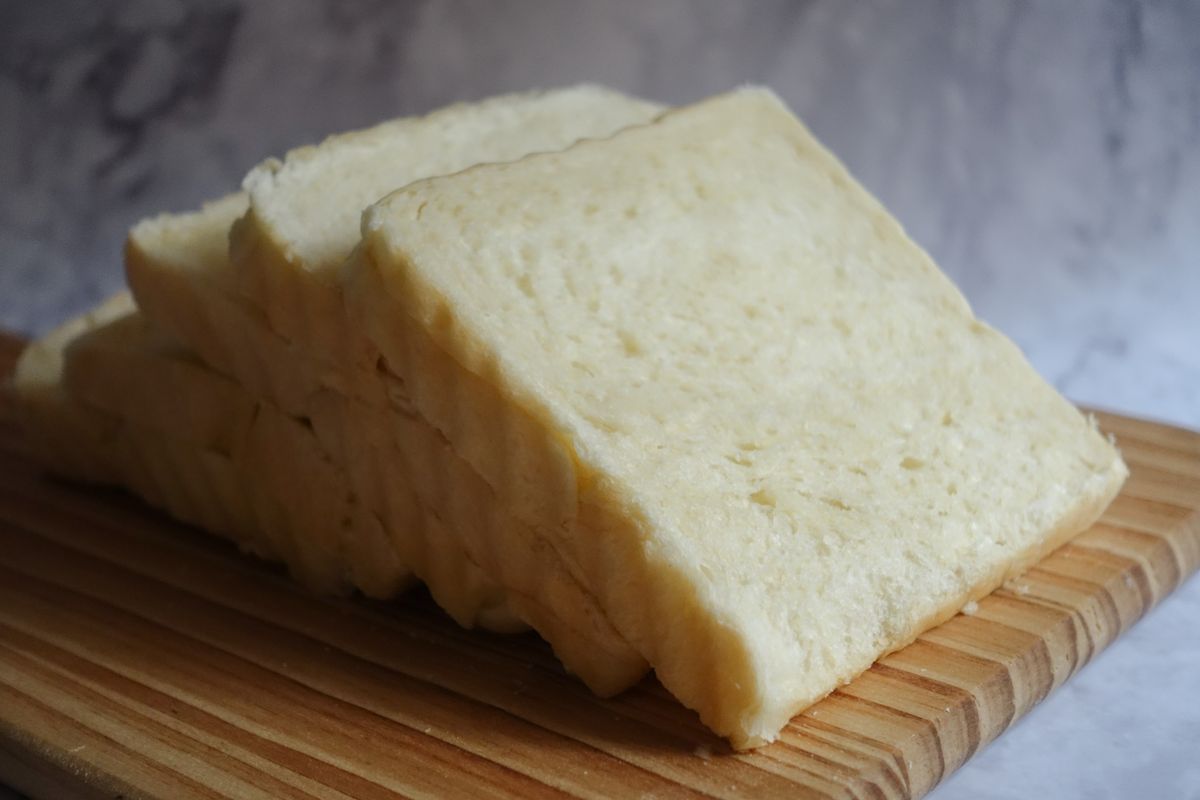
Switching from white bread to a genuine 100% whole wheat loaf can improve fiber intake.
Whole wheat bread contains all parts of the wheat grain the bran, germ, and endosperm meaning it retains more fiber, vitamins, minerals, and plant compounds than refined white bread.
Nutritionists often recommend checking the ingredient list rather than relying only on packaging claims. Terms such as “wheat bread” or “multigrain” do not always mean the product is made entirely from whole grains.
A better choice is a loaf where the first ingredient states “100% whole wheat flour” or “whole grain flour.”
Many dietitians suggest looking for breads that provide around 3 grams or more of fiber per slice as a useful benchmark when comparing options.
Why it may help cholesterol:
Whole grains provide dietary fiber, which can help reduce cholesterol absorption in the digestive system. Over time, replacing refined grains with whole grains may support healthier cholesterol levels as part of an overall balanced diet.
Oat Bread
Oats have earned a reputation as one of the most cholesterol-friendly grains because they contain beta-glucan, a type of soluble fiber.
When eaten regularly, beta-glucan can form a gel-like substance in the digestive tract that helps reduce cholesterol absorption. Studies have linked soluble fiber intake with reductions in LDL cholesterol.
Oat bread combines the convenience of a sandwich loaf with some of the nutritional advantages of oats.
However, shoppers should read labels carefully. Some breads marketed as “oat” may contain only small amounts of oats while still being primarily made from refined flour.
A better option is a loaf where oats or whole-grain oats appear near the top of the ingredient list.
Rye Bread
Rye bread has been consumed in parts of Europe for centuries, and research has increased interest in its possible cardiovascular benefits.
Whole-grain rye contains fiber and bioactive compounds that may support better cholesterol management. Rye also tends to create a denser, more filling loaf compared with standard white bread.
Some rye breads contain mostly refined wheat flour with added rye flavoring, so shoppers should check whether the bread is genuinely rye-based.
Nutrition experts often recommend choosing whole rye or dark rye varieties when available.
Rye’s fiber content, particularly soluble fiber, is one reason it often ranks among heart-supportive grain choices.
Sprouted Grain Bread
Sprouted grain breads are made from grains that have begun germinating before being processed into bread.
Sprouting may change grains’ nutritional profile by increasing the availability of certain nutrients and altering how carbohydrates are digested.
Many sprouted grain breads also include ingredients such as legumes, seeds, and multiple whole grains, increasing their protein and fiber content.
Dietitians often recommend these breads because they tend to have fewer refined ingredients and can provide a broader range of nutrients compared with traditional white bread.
For people trying to improve cholesterol levels, the advantage comes mainly from their whole-grain and fiber content.
Flaxseed and Seeded Breads
Seeded breads containing flaxseed, chia seeds, sunflower seeds, or other nutrient-rich additions are becoming increasingly popular.
Flaxseed is especially notable because it contains fiber and plant-based omega-3 fatty acids.
While bread alone will not dramatically change cholesterol numbers, replacing lower-fiber refined bread with a seeded whole-grain option can contribute to a healthier dietary pattern.
Seeds can also make bread more filling, which may help people maintain balanced meals and avoid frequent snacking.
What Nutritionists Say to Avoid
Not every bread labeled “healthy” is automatically beneficial for cholesterol.
Experts recommend limiting loaves that are:
Low in fiber
A bread with little fiber may behave more like refined white bread, even if the packaging uses words like “multigrain.”
High in added sugar
Some commercial breads contain added sweeteners that increase calories without adding nutritional benefits.
Made mainly from refined flour
Refined grains lose much of their natural fiber during processing.
High in saturated fats
Some specialty breads contain added fats that may not support heart health.
The ingredient list is often more revealing than front-of-package marketing.
How Much Fiber Should You Look For?
Fiber is one of the most important factors when choosing bread for cholesterol management.
Health organizations generally encourage adults to consume adequate dietary fiber from a variety of sources, including fruits, vegetables, legumes, and whole grains.
For bread specifically, many nutrition professionals suggest selecting options with at least 3 grams of fiber per slice when possible.
However, eating several slices of high-fiber bread alone will not replace an overall heart-healthy diet.
Experts recommend combining whole-grain breads with other cholesterol-supporting foods such as vegetables, beans, nuts, seeds, and foods rich in unsaturated fats.