5 Ohio Prisons With the Most Deaths: The Tragic Events and Hidden Struggles Behind Their Histories
Ohio’s prison system has witnessed some of the most disturbing chapters in American correctional history. From a catastrophic 322-person prison fire that remains one of the deadliest correctional disasters in North America to a violent 11-day prison uprising that left 10 people dead, several Ohio facilities have become associated with tragedy, controversy, and ongoing debates about prison safety.
The Ohio Department of Rehabilitation and Correction (ODRC) oversees 28 state-operated facilities housing more than 40,000 incarcerated individuals, but some institutions have gained attention because of the scale of deadly events connected to them. These deaths have come from many causes, including riots, disease outbreaks, violence, medical emergencies, and historical execution practices.
There is no official state ranking listing Ohio prisons by total deaths because records vary across decades, facilities have changed roles, and older incidents were documented differently than modern ones. However, several prisons stand out because of their major historical tragedies and the number of lives lost within their walls.
Here are five Ohio prisons with some of the most significant death tolls and the stories behind the numbers.
Southern Ohio Correctional Facility: The Prison Forever Connected to the Lucasville Riot
The Southern Ohio Correctional Facility (SOCF) in Lucasville remains one of Ohio’s most infamous prisons because of its connection to the deadly 1993 Lucasville uprising. Built as a maximum-security institution designed to house some of the state’s most dangerous offenders, SOCF became nationally recognized when a violent rebellion unfolded inside the facility and lasted for 11 days.
The uprising ended with 10 deaths, including nine incarcerated individuals and one correctional officer, making it one of the deadliest prison disturbances in modern American history. The conflict developed after years of tension involving inmate concerns about prison policies, religious practices, and disagreements with correctional authorities.
Although the 1993 riot remains the defining moment in SOCF’s history, the facility has continued facing security challenges in the decades that followed. Maximum-security prisons often deal with intense pressure because they house individuals convicted of serious crimes while attempting to maintain order in an environment where conflicts can escalate quickly.
Over the years, SOCF has dealt with concerns involving violence, inmate assaults, staff safety issues, contraband, and drug-related incidents. Reports from different periods have shown hundreds of violent incidents occurring within Ohio’s prison system, highlighting the difficulty of maintaining security in high-risk facilities.
The story of SOCF is not only about one deadly riot. It reflects the broader challenges of operating a maximum-security prison, where safety, control, and rehabilitation must be constantly balanced.
Ohio Penitentiary in Columbus: The 322 Lives Lost in One of America’s Deadliest Prison Fires
The Ohio Penitentiary in Columbus represents one of the darkest chapters in Ohio’s correctional history. Although the prison closed in 1984, its legacy remains because of a disaster that claimed hundreds of lives and became one of the worst prison fires ever recorded in North America.
On April 21, 1930, a devastating fire spread through the facility, killing 322 inmates in a single event. Many victims were trapped inside their cells as smoke and flames moved through the prison, creating one of the most tragic examples of how outdated prison designs and emergency procedures could turn a disaster into a catastrophe.
The fire raised serious questions about prison safety standards, emergency preparedness, and correctional institutions’ responsibilities to protect those inside their facilities. The tragedy later influenced discussions about prison construction, evacuation procedures, and emergency response planning.
The Ohio Penitentiary also played a major role in Ohio’s history of capital punishment. Between 1885 and 1963, the prison carried out 343 executions, including 315 by electric chair and 28 by hanging.
When combining the prison fire, executions, and other historical deaths, the Ohio Penitentiary remains one of the deadliest correctional institutions ever operated in Ohio. Its history serves as a reminder of how dramatically prison conditions have changed over the past century.
Pickaway Correctional Institution: The COVID-19 Outbreak That Exposed Prison Health Risks
Pickaway Correctional Institution in Orient became one of the most heavily affected prisons in Ohio during the COVID-19 pandemic. While prisons across America struggled to contain the virus, Pickaway experienced an outbreak that highlighted the unique health risks created by crowded correctional environments.
During the pandemic, Pickaway recorded more than 1,700 COVID-19 cases and at least 35 deaths connected to the outbreak. The crisis became especially severe because the facility was designed for approximately 1,300 inmates but housed a much larger population when the virus began spreading.
The prison’s dormitory-style housing created additional challenges because inmates lived in shared spaces, making it extremely difficult to maintain physical distance. Once the virus entered the facility, stopping transmission became a major challenge for medical teams and correctional officials.
The outbreak revealed broader weaknesses that many prison systems faced during the pandemic. Limited isolation areas, vulnerable inmate populations, healthcare demands, and staffing shortages made managing the crisis extremely difficult.
Pickaway’s experience demonstrated that prison safety is not only about preventing violence. Health emergencies can also become deadly threats when thousands of people live together in confined environments.
The pandemic forced correctional systems nationwide to rethink emergency planning, medical preparedness, and strategies for protecting vulnerable populations behind prison walls.
Marion Correctional Institution: A Prison Hit Hard by Overcrowding and COVID-19
Marion Correctional Institution became another Ohio prison heavily impacted by the coronavirus pandemic. The facility experienced one of the largest outbreaks in the state, revealing how quickly infectious diseases can spread inside correctional facilities.
During the 2020 outbreak, Marion recorded more than 2,400 COVID-19 cases and more than 30 deaths linked to the virus. The outbreak placed enormous pressure on prison officials as they attempted to control infections among inmates and staff members.
The situation was made more difficult by the realities of prison life. Shared housing areas, limited movement options, and staffing challenges created conditions where containing a highly contagious virus became extremely difficult.
However, Marion’s challenges existed before the pandemic. Like many correctional facilities across the United States, the prison has faced broader concerns involving mental health needs, substance abuse issues, staffing demands, and healthcare responsibilities.
The COVID-19 crisis exposed how quickly existing prison problems can become life-threatening emergencies. When healthcare systems, staffing levels, and infrastructure are pushed beyond their limits, the consequences can become devastating.
Marion’s experience became part of a larger national discussion about improving prison healthcare and preparing correctional facilities for future emergencies.
Toledo Correctional Institution: Violence and Security Challenges Inside a Maximum-Security Facility
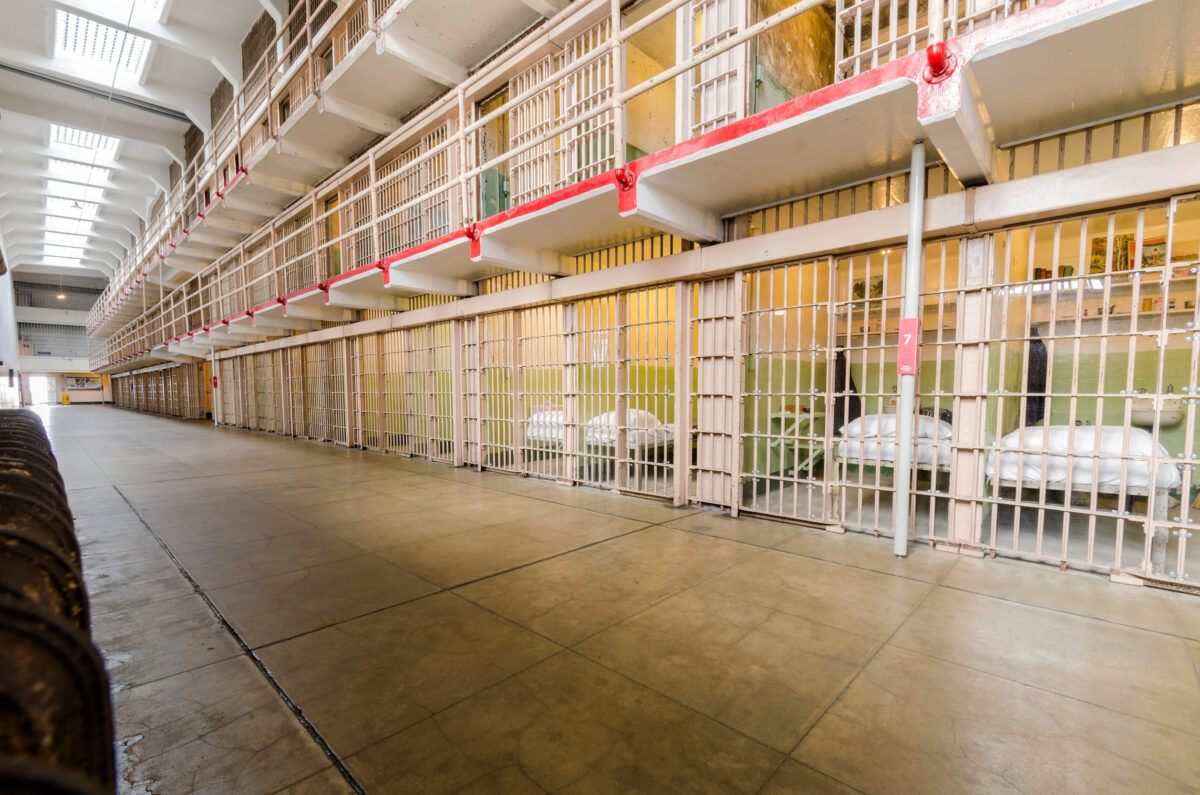
The Toledo Correctional Institution (TCI) represents a newer generation of Ohio prisons, but it has faced many of the same challenges associated with maximum-security incarceration. Opened in 2000, the facility became an important part of Ohio’s strategy for managing high-risk offenders.
After changes in Ohio’s prison population management system, TCI began housing more violent offenders, increasing the security demands placed on the institution. The shift brought greater attention to violence prevention, staffing challenges, and inmate management.
One of the most serious incidents occurred in 2013, when an inmate was murdered inside the facility. The case highlighted the dangers correctional staff face when supervising individuals in high-security environments.
Population pressure has also affected the prison. At certain points, TCI housed more than 1,600 inmates despite an original capacity of approximately 950, placing significant strain on housing units and security operations.
Overcrowding can increase tensions by creating more conflicts, increasing staff responsibilities, and making rehabilitation programs more difficult to manage.
TCI’s history shows the difficult reality of maximum-security prisons: maintaining control requires more than physical barriers. It requires trained staff, effective programs, mental health resources, and constant attention to safety.
The Bigger Picture: Why Some Ohio Prisons Experience More Deaths
The history of Ohio’s deadliest prisons shows that fatalities rarely come from one single cause. Instead, they often result from a combination of overcrowding, violence, healthcare challenges, emergency failures, and limited resources.
Overcrowding has been one of the most persistent issues affecting correctional systems. When prisons operate above their intended capacity, medical services become more difficult to deliver, staff face heavier workloads, and tensions can increase among inmates.
Healthcare has also become a major concern inside prisons. Many incarcerated individuals have complex medical conditions, and correctional facilities must provide treatment while operating under strict security requirements. The COVID-19 pandemic demonstrated how vulnerable prison populations can become during health emergencies.
Mental health challenges are another major factor. Correctional institutions often house individuals with serious psychological needs, and insufficient treatment resources can contribute to crises, including self-harm and suicide risks.
Violence and contraband remain ongoing concerns, particularly in maximum-security facilities. Drugs, gang conflicts, and inmate disputes can create dangerous situations that require constant monitoring and intervention.
Ohio’s Deadliest Prison Stories Reveal a Larger National Challenge
The histories of Southern Ohio Correctional Facility, the Ohio Penitentiary, Pickaway Correctional Institution, Marion Correctional Institution, and Toledo Correctional Institution reveal different eras of prison challenges.
One facility became known because of a historic disaster that killed 322 people in a single day. Another became infamous after a riot that claimed 10 lives over 11 days. Others were shaped by modern problems, including pandemic outbreaks that caused dozens of deaths and exposed weaknesses in prison healthcare systems.
Together, these stories show that prison safety depends on much more than security measures. It depends on emergency planning, medical care, staffing, rehabilitation efforts, and the ability to manage thousands of people in some of America’s most difficult environments.
Ohio’s prison history is ultimately a story of tragedy, reform, and the ongoing challenge of protecting human lives behind prison walls.