5 Things to Know Before Buying Canned Pumpkin This Year
There’s a reason canned pumpkin flies off grocery store shelves in November. It’s the backbone of the classic Thanksgiving pumpkin pie, and it shows up in breads, muffins, cheesecakes and even soups throughout the season. For many families, a can of pumpkin is as much a part of the holiday as the turkey.
But not all cans of pumpkin are the same, and a quick grab off the shelf can lead to a pie that tastes too sweet, too spicy or strangely watery. Some of the most common baking disappointments come down to buying the wrong can or not knowing what’s actually inside it.
Before you stock up for Thanksgiving baking this week, here are five things worth knowing about canned pumpkin, from what’s really in the can to how to store the leftovers.
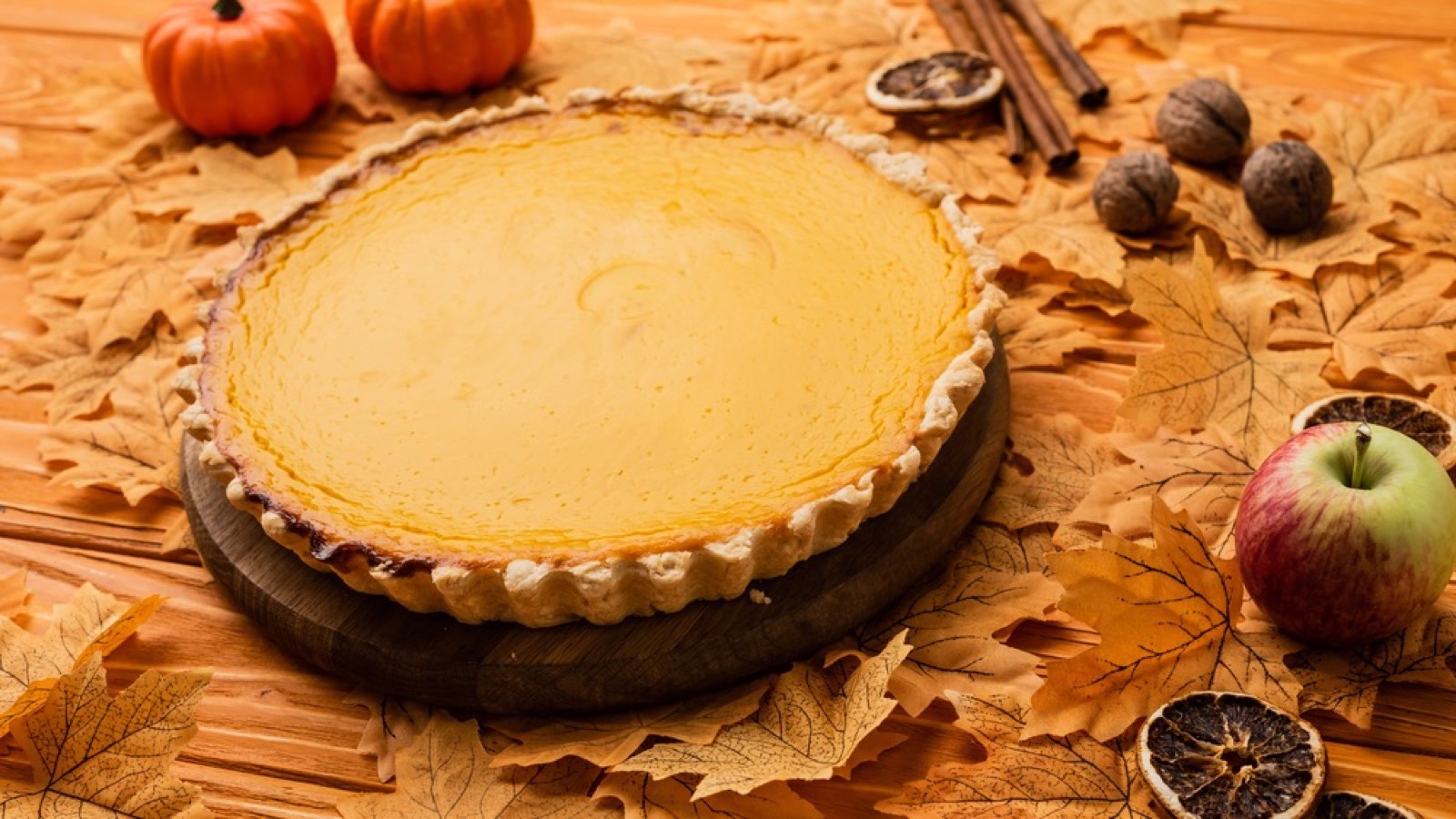
1. Pumpkin Puree and Pumpkin Pie Filling Are Not the Same
This is the mistake that ruins more pies than any other. Cans labeled “pure pumpkin” or “100% pumpkin” contain nothing but cooked, pureed pumpkin. Cans labeled “pumpkin pie filling” or “pumpkin pie mix” already contain sugar, spices and sometimes other ingredients, so they’re meant to be mixed with eggs and milk and baked as is.
The two cans often sit side by side on the shelf and look almost identical. If your recipe calls for pumpkin puree and you use pie filling, you’ll end up with a pie that’s overly sweet and heavily spiced. Always read the label carefully, especially if someone else is doing the shopping for you.
2. Most Canned Pumpkin Isn’t the Kind You Carve
Here’s a fact that surprises many home cooks. The pumpkin in most cans isn’t the round, orange jack-o’-lantern variety. Libby’s, the brand that dominates the market, uses its own variety of Dickinson pumpkin, which looks more like a tan, oblong squash than a Halloween pumpkin.
Libby’s has said that the vast majority of the canned pumpkin sold in the United States comes from its fields and plant in Morton, Illinois, which calls itself the Pumpkin Capital of the World. The state of Illinois grows far more pumpkins than any other, and the University of Illinois Extension notes that most of the processing pumpkins grown in the country come from there.
3. Pumpkin Is Squash, and That’s Okay
Because canned pumpkin comes from squash-like varieties, some people claim it’s “really squash” and feel misled. But pumpkins are squash. They belong to the same plant family, and the FDA allows several types of golden, sweet winter squash to be labeled as pumpkin.
Many bakers and food writers argue that these varieties actually make better pies than carving pumpkins. Carving pumpkins are grown for their size and thin walls, and their flesh tends to be stringy and watery. The varieties used for canning are denser, sweeter and creamier, which is exactly what you want in a pie.
4. Check the Size and the Can Before You Buy
Most standard recipes, including the classic one printed on the Libby’s label, call for a 15-ounce can of pumpkin. Larger 29-ounce cans are also common and are handy if you’re baking two pies. Before you buy, check how much your recipe needs so you don’t come home short or with too much.
It’s also worth looking closely at the cans themselves. Food safety experts recommend avoiding cans that are deeply dented, especially along the seams, as well as cans that are bulging, leaking or rusted. The USDA’s canned food guidance says severely damaged cans should be thrown away.
5. Leftover Pumpkin Doesn’t Belong in the Can
Many recipes call for less than a full can of pumpkin, leaving you with a half cup or so of extra puree. Once opened, canned pumpkin should be moved to a clean, airtight container and refrigerated. It generally keeps for about five to seven days in the fridge.
If you won’t use it that quickly, freeze it. Spoon leftover pumpkin into freezer bags or ice cube trays and freeze for up to about three months. You can thaw it later for muffins, pancakes, smoothies or a second pie. Some cooks even stir a spoonful into oatmeal or chili for extra flavor.
Buy Early if You Can
Canned pumpkin is usually easy to find, but stores can run low in the days right before Thanksgiving. Pumpkin is harvested in the fall, and its supply depends on that year’s crop. In some past years, bad weather has caused shortages that left shelves bare just when bakers needed it most.
Buying a few cans early in November is a smart move, since canned pumpkin keeps for a long time unopened. Store the cans in a cool, dry pantry and check the best-by date before using them. Most stay good well past the holiday season.
Fresh Pumpkin Is an Option, but It Takes Work
Some bakers prefer making their own puree from fresh pie pumpkins, which are small, sweet varieties sometimes labeled “sugar pumpkins.” Roasting them, scooping out the flesh and blending it can produce a lovely pie, though the texture may be a bit looser than canned.
If you go this route, avoid using carving pumpkins, which tend to be watery and bland. You may need to drain homemade puree in a strainer to remove excess liquid. For many busy cooks, though, canned pumpkin offers consistent results with a lot less effort.
Canned Pumpkin Beyond Pie
Canned pumpkin isn’t just for Thanksgiving dessert. Home cooks stir it into pancake and waffle batter, fold it into muffins and quick breads, and blend it into soups with onions, broth and a little cream. Some add a spoonful to chili or pasta sauce for extra body and a hint of sweetness.
It also works in no-bake treats, like pumpkin dip made with cream cheese and powdered sugar, which is often served with gingersnaps at holiday parties. Because canned pumpkin is so versatile, many cooks keep a few extra cans in the pantry all winter. That way, a leftover half-can never goes to waste.
A Quick Word on Pumpkin Spice
If your recipe calls for pumpkin pie spice and you don’t have any, you can make your own. Most blends are a mix of cinnamon, ginger, nutmeg and cloves or allspice, with cinnamon making up the largest share. Many bakers like to adjust the mix to their own taste, adding a little more ginger for warmth or a pinch of extra nutmeg.
Making your own spice blend also lets you control how strong the flavor is. If you’re buying pumpkin pie filling, remember that the spices are already added, so there’s no need to add more unless you want a bolder pie.
A Little Knowledge Makes a Better Pie
Canned pumpkin is one of the easiest shortcuts in holiday baking, and it has helped generations of home cooks turn out perfect pies. Knowing the difference between puree and pie filling, checking your cans and storing leftovers properly can save you from a disappointing dessert.
So before you head to the store this week, double-check that label. A little attention in the baking aisle can mean a Thanksgiving pie your family will remember long after the last slice is gone.