6 Comfort Food Secrets That Make Our Favorite Dishes Powerful
Comfort food has a quiet way of finding us when life feels too loud. A bowl of creamy mac and cheese, a plate of fried chicken, a warm slice of apple pie, a mug of soup, or a spoonful of mashed potatoes can feel bigger than hunger.
These foods sit close to memory. They carry the smell of family kitchens, holidays, childhood tables, late-night cravings, rainy afternoons, and the kind of care that does not always need words. We often think of comfort food as a simple indulgence, but these beloved dishes carry far more meaning than flavor alone.
They can affect mood, awaken old memories, connect families, reflect culture, and even offer practical nourishment when prepared with care. We do not return to comfort food only because it tastes good. We return because it makes us feel known. Behind every familiar bite is a deeper story about emotion, survival, identity, and the human need for warmth.
Comfort Food Changes Our Mood

Comfort food can feel powerful because it speaks to the brain before it reaches the stomach. Creamy, warm, rich, sweet, and familiar foods often create a sense of emotional relief because they remind us of safety. A dish we enjoyed during childhood can bring back the feeling of being cared for, even years after the original memory has faded.
That is why a simple meal can suddenly feel like a hug from the past. We should not treat this emotional pull as random. Food, memory, smell, and mood are closely connected. The scent of baked bread, simmering soup, cinnamon, butter, roasted meat, or melted cheese can unlock memories faster than a photograph.
Comfort food works because it often carries a personal story. The meal may be ordinary on the plate, but in the mind, it can become warmth, belonging, and reassurance.
Family Recipes Carry Memory
Many comfort foods survive because families keep repeating them. A grandmother’s stew, a father’s Sunday rice dish, a mother’s cornbread, or an aunt’s holiday cake can become part of a family’s emotional language. The recipe may change slightly across generations, but the feeling stays the same.
Each version carries someone’s hand, someone’s preference, someone’s budget, and someone’s way of showing love. This is why comfort food is rarely just food. It becomes a family archive. We may not know the full history behind a dish, yet we know who made it, how the kitchen smelled, and who gathered around the table.
These meals help families hold onto continuity in a world that keeps changing. A simple plate can remind us where we came from, who cared for us, and what home used to feel like. That kind of memory makes comfort food deeply personal.
Classic Dishes Have Long Histories
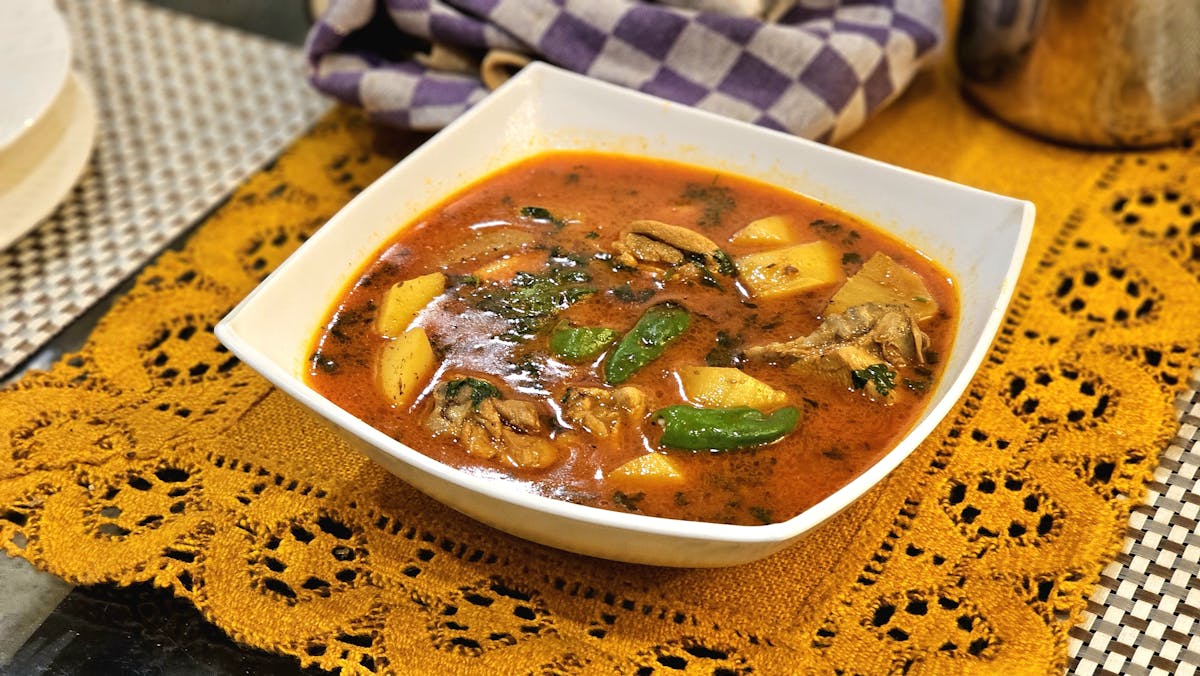
Many of our favorite comfort foods have histories shaped by migration, poverty, creativity, celebration, and survival. Mac and cheese, chicken soup, dumplings, pies, stews, rice dishes, noodles, and casseroles did not become beloved by accident.
They often grew from practical cooking, using affordable ingredients to create meals that could feed many people. Over time, these dishes became associated with home because they appeared again and again during ordinary days and special moments. Comfort food also adapts beautifully. A dish may begin in one culture, travel through another, and transform into something new in a different kitchen.
Pasta dishes, meat pies, rice bowls, soups, fried doughs, and baked desserts all carry traces of movement and reinvention. That is why comfort food feels familiar across many cultures, even when the ingredients differ. We recognize the intention behind it. These meals are built to satisfy, soothe, and gather people close.
Warm Foods Feel Like Care
There is a reason hot soups, stews, casseroles, porridge, tea, and baked dishes dominate the comfort food world. Warm food has a physical softness that cold snacks often cannot match. It slows us down. It asks us to sit.
It fills the room with scent. It makes the body feel tended to, especially during sickness, stress, exhaustion, or cold weather. Warmth becomes part of the meal’s emotional power. Chicken soup is one of the clearest examples. Many cultures have their own version of a healing broth, filled with chicken, vegetables, herbs, noodles, rice, spices, or bones simmered for flavor.
People reach for it during colds, flu, grief, fatigue, and recovery because it is gentle, nourishing, and easy to digest. The soup itself may not solve every problem, but it conveys care. That feeling matters. Sometimes comfort food helps because it provides warmth, fluid, nourishment, and rest in one bowl.
Comfort Food Connects Cultures

Every culture has comfort food, even when the dishes look completely different. In the United States, people may think of mac and cheese, meatloaf, mashed potatoes, fried chicken, chili, pancakes, grilled cheese, and apple pie. In Italy, pasta, risotto, and slow-cooked sauces can carry that same emotional weight.
In Japan, ramen, miso soup, curry rice, and onigiri can feel deeply comforting. Across Africa, the Caribbean, Asia, Latin America, and Europe, comfort often comes through soups, grains, stews, breads, beans, sauces, and shared plates. The ingredients may change, but the emotional pattern is strikingly similar. Comfort food usually brings warmth, familiarity, fullness, and connection.
It appears at gatherings, holidays, funerals, celebrations, and quiet family meals. It helps people remember who they are within a community. We may speak different languages and season food differently, but the human need for comfort food is universal. We all look for meals that make us feel safe, rooted, and remembered.
Nostalgia Makes Food Taste Better
Nostalgia can change the way we experience flavor. A cookie from childhood may taste better than a luxury dessert because the cookie carries emotional history. A simple bowl of rice and stew may feel richer than a restaurant meal because it reminds us of home. The brain does not judge comfort food only by ingredients.
It judges by memory, mood, timing, and meaning. That is why the “best” comfort food is often the one tied to a personal story. This also explains why people defend their favorite versions so fiercely. One person wants macaroni baked firm with a golden top. Another wants it creamy from the pot. One family adds sugar to cornbread.
Another family treats that idea like a crime. These preferences are not just about taste. They are about identity. Comfort food becomes emotional territory, and every household protects its version because it feels like part of its story.
Better Ingredients Can Keep The Comfort
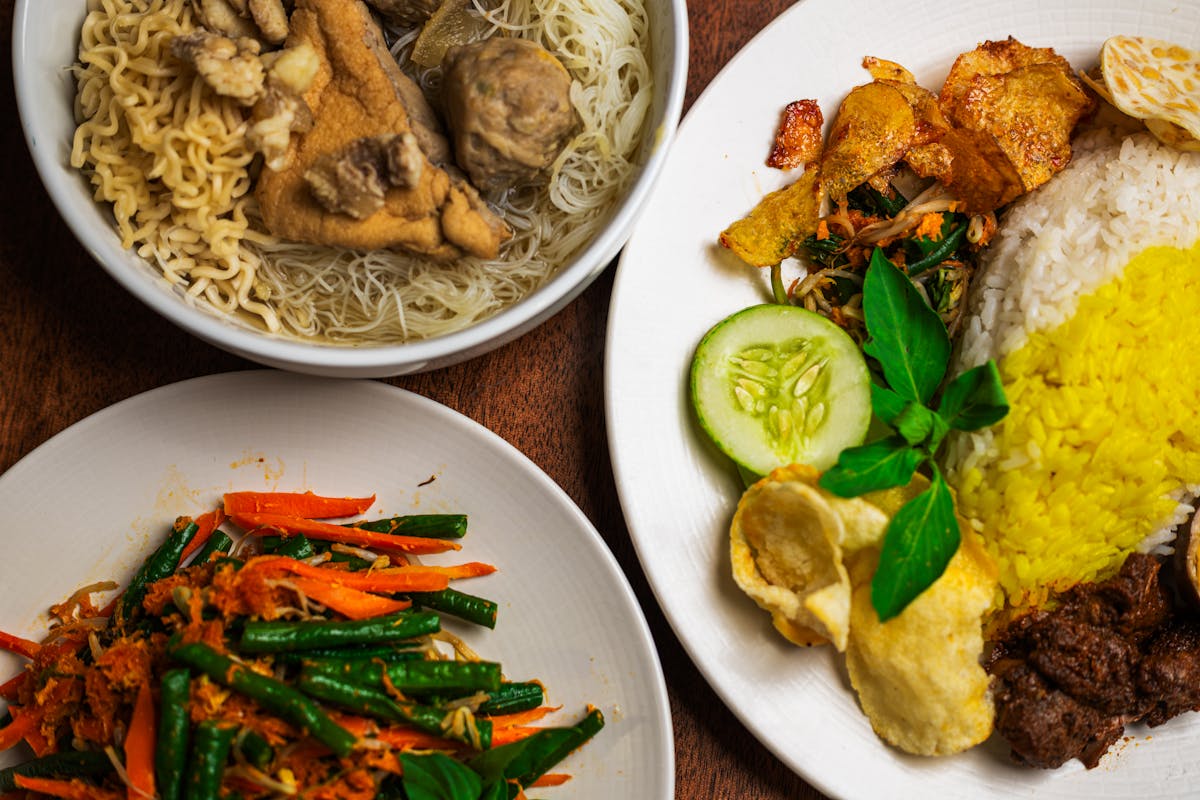
Comfort food does not have to lose its soul to become more nourishing. Small changes can protect flavor while making the meal more supportive. We can add vegetables to soups, use more beans in stews, choose whole grains in some dishes, reduce excess salt, add lean protein, or use herbs and spices to build flavor without relying only on fat and sugar.
These changes do not erase tradition. They help the dish serve the body better. The strongest comfort meals balance pleasure and care. A bowl of chili can bring fiber and protein. A vegetable soup can provide warmth and nutrients. Mashed potatoes can become more filling with garlic, yogurt, olive oil, or herbs.
Oatmeal can turn into a comforting breakfast with fruit, nuts, and cinnamon. We do not need to turn every beloved dish into a health project. We only need to remember that comfort can be both delicious and wise.