6 Pork Myths People Actually Still Believe
A pork chop can still be slightly pink and meet USDA cooking recommendations. And rinsing raw pork before putting it in a pan may actually spread bacteria around your kitchen. These are just two examples of how familiar kitchen habits can be misleading.
Pork has been part of many American dinner tables for generations. From grilled chops and roasted tenderloin to ribs and bacon, it comes in different cuts and forms. But despite how familiar it may seem, plenty of misconceptions remain about how to prepare, cook, and store it.
Some beliefs come from family traditions. Others are based on outdated information or assumptions about how meat should look. The problem is that treating every pork product the same can lead to unnecessary cooking, confusing storage decisions, and kitchen mistakes.
Pork Must Be Completely White Before You Eat It
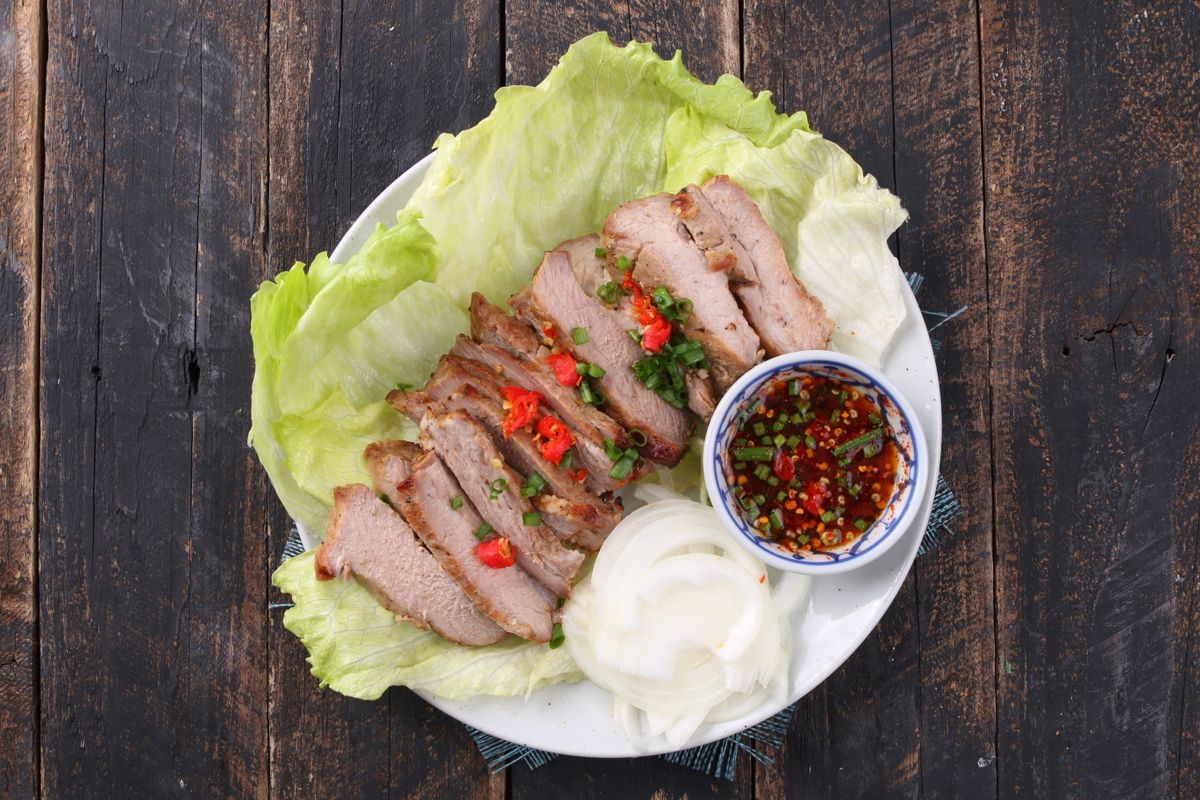
Many people grew up believing that pork should never have any pink color left when it comes out of the oven or frying pan. As a result, they often keep cooking their pork chops until the meat is completely white.
However, color alone is not a reliable way to determine whether pork has reached the recommended cooking temperature.
According to the United States Department of Agriculture (USDA), fresh pork steaks, chops, and roasts should reach an internal temperature of 145°F, then rest for at least three minutes.
Interestingly, pork cooked according to this recommendation can still have a pink center. That does not automatically mean it is undercooked.
Ground pork is different. The USDA recommends cooking it to 160°F.
This distinction matters because a whole pork chop and a ground-pork burger don’t have the same temperature recommendation.
Instead of repeatedly cutting into a chop to inspect its color, use a food thermometer. It provides a more reliable measurement than appearance.
You can find the USDA’s recommendations in its Safe Minimum Internal Temperature Chart.
Pork Is White Meat Because It Looks Like Chicken
Walk through a grocery store, and you might notice that some pork cuts look surprisingly similar to chicken. A cooked pork loin, for example, can look much lighter than a beef steak.
That visual similarity has helped keep the white-meat misconception alive.
However, the USDA classifies pork as red meat.
The explanation comes down to a protein called myoglobin. This protein holds oxygen in muscle tissue and contributes to meat color. Pork contains more myoglobin than chicken or fish, which helps explain its classification.
Cooking can change pork’s appearance, but it does not change the meat’s classification.
This distinction is useful when reading food information or comparing different meat products at the grocery store. A pale-looking pork chop may remind you of chicken, but that does not make it white meat.
Rinsing Raw Pork Makes It Cleaner
For some households, preparing pork begins at the kitchen sink. People take the meat out of its packaging, run it under water, and sometimes rub it with vinegar or lemon juice before cooking.
It may feel like an important cleaning step, especially if you’ve watched family members do it for years. However, the USDA recommends against washing raw pork.
Rinsing can splash water droplets containing bacteria onto nearby surfaces. Those droplets can reach kitchen counters, sinks, utensils, and other foods.
Rather than making the meat safer, washing can create additional opportunities for cross-contamination.
The USDA also explains that soaking meat does not serve a food-safety purpose.
So what should you do instead?
Focus on keeping your preparation area clean. Wash your hands, clean equipment and food-contact surfaces, and keep raw meat juices away from ready-to-eat foods.
If you enjoy marinating pork with vinegar, lemon juice, or other ingredients for flavor, remember that this is different from treating the meat for food safety.
The USDA explains this recommendation in its guide, Washing Food: Does It Promote Food Safety?.
Freezing Pork Ruins Its Quality Immediately
Have you ever bought a large package of pork chops and wondered whether freezing the leftovers would make them inferior?
Many people believe freezing meat automatically destroys its nutritional value or makes it unsuitable for a good meal.
According to the USDA, freezing itself does not destroy nutrients. Meat generally experiences little nutritional change during freezer storage.
However, an important distinction exists between nutritional value and eating quality.
Over extended periods, frozen meat can experience changes in flavor and texture. That means a package that has been sitting in the freezer for a long time may not have the same eating quality as one stored for a shorter period.
The USDA recommends keeping your freezer at 0°F or below.
For fresh pork roasts, steaks, chops, and ribs, the USDA recommends storing them for four to six months for best quality.
That period is a quality recommendation, not an automatic safety expiration date for properly handled pork that has remained continuously frozen.
A practical approach is to divide larger packages into smaller portions before freezing. Wrap them securely and label them with the storage date.
When you are ready to use the meat, thaw it in the refrigerator rather than leaving it on the kitchen counter.
Remember that freezing does not sterilize meat or reverse problems caused by improper handling before freezing. You can read more in the USDA’s Freezing and Food Safety guide.
All Pork Cuts Should Be Prepared the Same Way
Another common misconception is that pork is one uniform product. Someone might buy bacon, tenderloin, pork ribs, and ground pork and assume that the same preparation approach works for everything.
But different cuts have different characteristics and cooking requirements.
For example, fresh pork chops and roasts have a recommended internal temperature of 145°F, while ground pork requires 160°F. The difference matters when planning meals.
A whole pork chop is not prepared in the same way as a ground-pork patty. Likewise, a large roast and smaller pieces of pork may require different cooking approaches.
Knowing what you bought is a better starting point than relying on one general rule for every pork dish. Before preparing a meal, check the type of cut and follow the appropriate cooking recommendations.
A Pink Pork Chop Always Means Something Went Wrong
This myth is closely connected to the belief that pork must always be completely white.
For many home cooks, seeing pink in the middle of a pork chop creates immediate doubt. They may assume they made a mistake, even when the meat has reached the recommended internal temperature.
But the USDA’s guidance makes an important distinction: safely cooked whole-cut pork can retain some pink coloring.
The thermometer reading, not the color alone, matters when checking whether the recommended temperature has been reached.
This is particularly useful when preparing pork for family gatherings or backyard cookouts, where different people may have different expectations about how the finished meat should look.
Instead of judging the result by appearance alone, follow the temperature recommendation and allow the required resting period.
A Better Understanding Starts in the Kitchen
Pork preparation does not have to involve complicated rules or unnecessary guesswork.
Knowing the difference between whole cuts and ground pork, understanding why pork is classified as red meat, avoiding unnecessary rinsing, and storing meat properly can make everyday kitchen decisions easier.
The next time you buy pork, take a moment to check the cut, follow the appropriate preparation guidance, and avoid relying entirely on old assumptions.
Sometimes, the most useful kitchen lessons encourage us to question habits we have followed for years.