8 Reasons Many Americans Secretly Regret Getting Married
Some marriage regret does not sound like slamming doors. It sounds like two people sitting in a parked car outside Target, arguing over money in low voices because the kids are in the backseat.
It sounds like a husband scrolling on the couch while his wife folds the laundry, only to walk past it three times. It sounds like a wife saying, “I’m fine,” in the kitchen, with the emotional warmth of a frozen pizza.
That is the part nobody puts in the wedding album.
The photos still look beautiful. The anniversary caption still says “my person.” The holiday card still shows matching sweaters, smiling kids, and a dog who looks more emotionally stable than everyone else.
But behind the picture, some Americans are wondering whether marriage offers a partnership or just a second job with a shared checking account.
This does not mean every marriage is miserable. Plenty of couples are loving, loyal, funny, affectionate, and still choosing each other on purpose. But marriage in America is under real pressure.
Fewer households are built around married couples now, with recent estimates showing fewer than half of households were married-couple households in 2025.
Money turns romance into a monthly board meeting.

Nothing kills candlelight faster than a credit card balance. A couple may start marriage dreaming about a house, weekend trips, kids, a dog, and Sunday mornings where nobody checks email.
Then real life walks in with rent, student loans, car insurance, childcare, groceries, medical bills, and a utility bill that makes everyone suddenly passionate about turning off lights.
The ugly part is that money stress does not stay inside the banking app. It gets into the bedroom, the kitchen, the grocery store, the vacation plans, and the tone someone uses when asking, “How much did that cost?”
One spouse wants to save. The other wants to breathe. One hides small purchases. The other starts checking statements like an FBI intern. Love starts carrying receipts.
Finances remain a top relationship stressor for many couples, and that pressure can make marriage feel less like a love story and more like a joint financial survival plan.
Some people do not stay because they are happy. They stay because the math of leaving looks terrifying.
The chores become a scoreboard nobody admits is running.
Nobody says “I do” while imagining a lifetime of arguing over dishes. Yet somehow, the sink becomes a courtroom.
Laundry, trash, dinner, school forms, doctor appointments, groceries, birthdays, pet food, permission slips, toilet paper, holiday gifts, and the mysterious work of remembering what everyone in the house needs can quietly divide a marriage into winner and loser.
The fight is rarely just about the dishes. It is about feeling unseen.
One person relaxes while the other scans the house for problems. One partner asks, “What do you need help with?” and the other hears, “You are the manager, and I am the intern.” Over time, even a laundry basket can start looking like proof that love is unequal.
Research on household labor has found that women still often spend more time on chores and parenting, which helps explain why resentment can grow inside homes that look perfectly normal from the sidewalk.
A marriage can survive dirty dishes. It struggles when one person keeps feeling like the dishwasher, calendar, therapist, and project manager.
Kids can turn spouses into exhausted coworkers.

Children can bring joy so big it rearranges a person’s heart. They can also turn marriage into a logistics company with snacks.
Suddenly, the couple is not just in love. They are daycare coordinators, lunch packers, homework supervisors, sleep negotiators, appointment schedulers, shoe finders, emotional support staff, and referees for fights over absolutely nothing.
Romance gets pushed into whatever energy remains after bedtime, which is often a crumbs-on-the-couch kind of nothing.
Many couples do not stop loving each other after having kids. They stop having enough sleep, privacy, time, money, and patience to feel like lovers. Conversations become schedules. Touch becomes functional.
Weekends become errands. Date night becomes a promise that keeps getting moved to “next month.”
Family pressure is heavier when money is tight, and many households are facing economic hardship and caregiving simultaneously.
That is how marriage regret sneaks in. Not because the kids are not loved, but because the couple disappeared behind the clipboard of family life.
Some people realize they married the role, not the person.
Some Americans do not regret marriage because their spouse is awful. They regret realizing they married an idea.
The provider. The good girl. The church-approved partner. The stable choice. The person who looked perfect on paper. The one who made sense before debt, grief, parenthood, health scares, therapy, boredom, ambition, and middle-aged restlessness entered the room.
Then life changes.
One person grows. The other stays frozen. One wants adventure. The other wants routine. One starts therapy. The other calls therapy dramatic. One wants emotional depth. The other thinks paying bills should count as intimacy.
That kind of regret is brutal because nobody has to be the villain.
A spouse can be decent, hardworking, loyal, and still be wrong for the life someone now wants. That is harder to explain than cheating or cruelty. People understand betrayal. They struggle to understand the misalignment.
Sometimes the regret is not, “I married a bad person.” Sometimes it is, “I married a version of life I no longer want.”
Emotional loneliness feels worse beside a spouse.

Being lonely while single can hurt. Being lonely in marriage can feel humiliating.
There is a special ache in sharing a bed, bills, holidays, relatives, kids, and a Netflix password with someone who no longer feels emotionally reachable. The couple may function well enough. They may attend birthday parties, smile at church, host Thanksgiving, and post anniversary photos. Privately, one or both feel unseen.
They stop sharing the small things. Then the big things. Then the real things.
A spouse can be physically present and emotionally absent. They may hear the words but miss the need underneath. They may offer solutions when comfort is wanted. They may avoid hard conversations until silence becomes the relationship’s native language.
Emotional disconnection is not just a private marriage issue, either. Many adults report feelings of emotional disconnection, which makes loneliness inside marriage even more painful because the relationship is supposed to be the safest place to be known.
Marriage regret often starts with one quiet thought: “I feel alone, and I am not supposed to.”
Separate lives start feeling easier than married life.
Some marriages do not end with drama. They turn into parallel lives with shared bills.
Different bedrooms. Different routines. Different shows. Different friend groups. Different emotional worlds. One person watches football in the living room. The other scrolls in bed. They coordinate schedules, split errands, handle family events, and somehow avoid talking about anything that might break the fragile peace.
Separate sleep is not always the problem. For some couples, it helps. Snoring, insomnia, medical issues, different work schedules, and temperature wars can make separate rooms a practical choice. Many adults have tried sleeping in another space to protect rest.
The issue is when separate rooms become separate lives.
No affection. No checking in. No shared laughter. No repair. No sense that the couple is still choosing each other beyond the mortgage, the kids, or the family calendar.
From the outside, the marriage may look stable. Inside, it can feel like two roommates running a household that once had romance. Regret grows when peace only exists because closeness has disappeared.
Divorce feels too expensive, so resentment moves in.
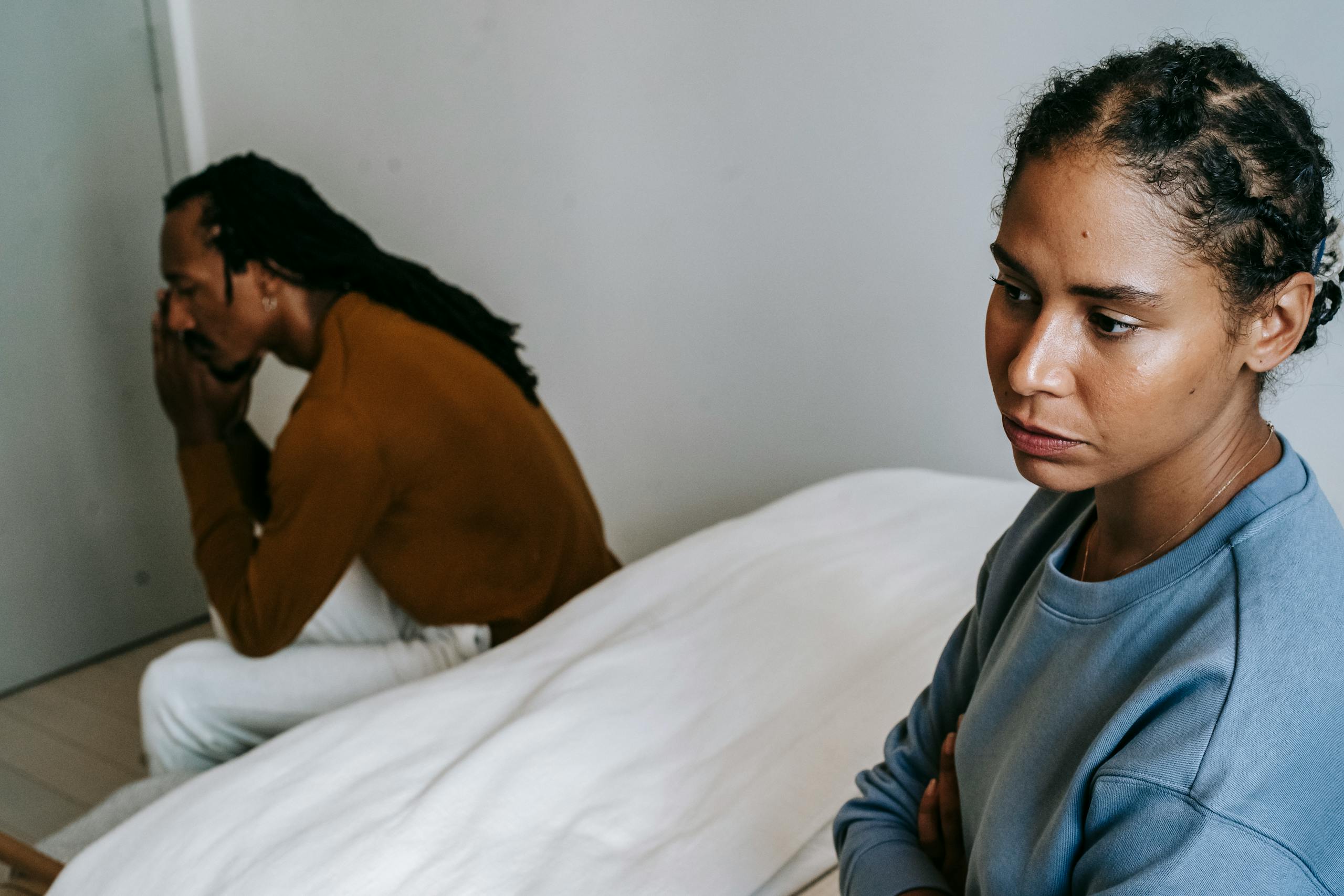
Some people would leave if leaving were simple. It is almost never simple.
Divorce can mean lawyers, custody schedules, selling the house, dividing retirement accounts, losing health insurance, explaining everything to children, disappointing relatives, and trying to afford two separate lives in an economy where one household already felt expensive.
That is why some Americans regret getting married but stay anyway.
They are not staying because everything is fixed. They are staying because the exit door has a price tag on it. They imagine two rents, two grocery budgets, two sets of furniture, court documents, school transitions, holiday negotiations, and the loneliness of starting over.
Divorce remains a major part of American family life, with more than 1.8 million Americans divorcing in 2023. That number does not mean marriage is doomed. It means the stakes are real.
Some people do not regret love. They regret entering a structure that becomes brutally hard to unwind when love stops feeling like enough.
Marriage can trap people inside an old version of themselves.
One of the ugliest regrets comes from identity. A person looks around one day and realizes their marriage was built around who they used to be.
The agreeable one. The religious one. The ambitious one. The self-sacrificing one. The fun one. The caretaker. The provider. The person who said yes because saying no felt selfish. Years later, they have changed.
They want more freedom, more honesty, more rest, more desire, more purpose, more peace, or simply more room to breathe. But the marriage still expects the old version to keep showing up. The spouse may not understand the change. The family may resist it. The household may depend on that person staying exactly as they were.
That can create deep resentment. Marriage is no longer the only socially acceptable adult path, and many adults are living without a spouse or partner, according to recent analysis.
That shift matters because people now have more language for choice, fulfillment, emotional safety, and independence.
A marriage can become painful when it feels less like a partnership and more like a museum preserving someone’s old self.
How couples can face regret before it hardens
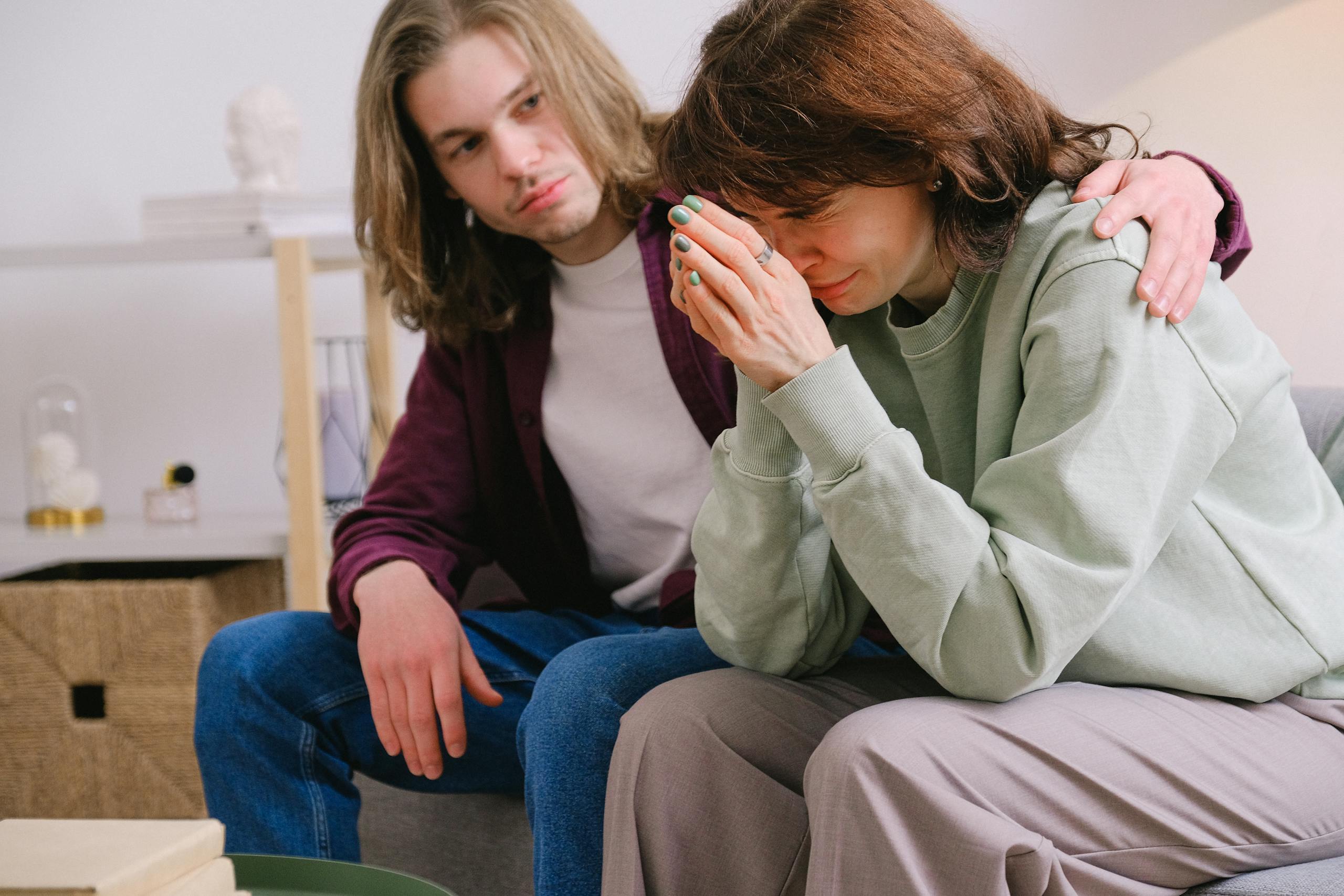
Marriage regret does not always mean the marriage should end. Sometimes it means the relationship needs honesty before resentment becomes permanent.
Couples can start by naming the real issue instead of fighting over the surface one. The argument about dishes may be about fairness. The fight about money may be about fear. The complaint about sex may be about rejection. The silence may be about years of not feeling heard.
Some couples need therapy. Some need better boundaries. Some need financial transparency. Some need rest. Some need to divide labor more fairly. Some need to stop pretending parenting exhaustion is a personality problem. Some need to admit they have been living like coworkers instead of partners.
Marriage can survive hard truths better than it can survive polite denial. The danger is not always regret. The danger is refusing to ask what the regret is trying to reveal.
Conclusion
Many Americans secretly regret getting married because marriage can become something very different from what they imagined.
It can become a financial trap, a chore scoreboard, a parenting machine, a lonely house, a roommate arrangement, a legal knot, or a place where one person’s old identity refuses to die. The wedding promised partnership. Real life sometimes delivers exhaustion, silence, resentment, and bills.
That does not mean marriage is a mistake for everyone. Plenty of marriages are loving, steady, funny, loyal, and worth fighting for. Some couples grow better with time. Some become each other’s safest place. Some survive hard seasons and come out softer, wiser, and closer.
But the ugly truth is that marriage does not automatically make people happy. It magnifies what is already there: love, fear, generosity, selfishness, money habits, communication problems, family wounds, and the ability or refusal to change.
A ring can symbolize commitment. It cannot do the work of intimacy, fairness, honesty, repair, or emotional presence. That is where regret begins.