6 Restaurant Orders That Servers Wish Customers Would Rethink
Your server smiles, takes your order, and heads toward the kitchen. Could your request earn a raised eyebrow along the way? Possibly. But the reason might have more to do with preparation and timing than your personal taste.
Writing in Food & Wine, chef and restaurant consultant Greg Baker explains how special requests can interrupt the systems that keep restaurant service moving. That does not mean every substitution annoys every employee. Restaurant professionals have different opinions, and some welcome opportunities to customize an order.
The practical lesson is simple: ask what is possible. Allergies, dietary restrictions, accessibility needs, and preferences deserve respectful communication. These six orders show where expectations and restaurant routines sometimes collide.
A Sandwich With So Many Changes It Becomes Another Dish
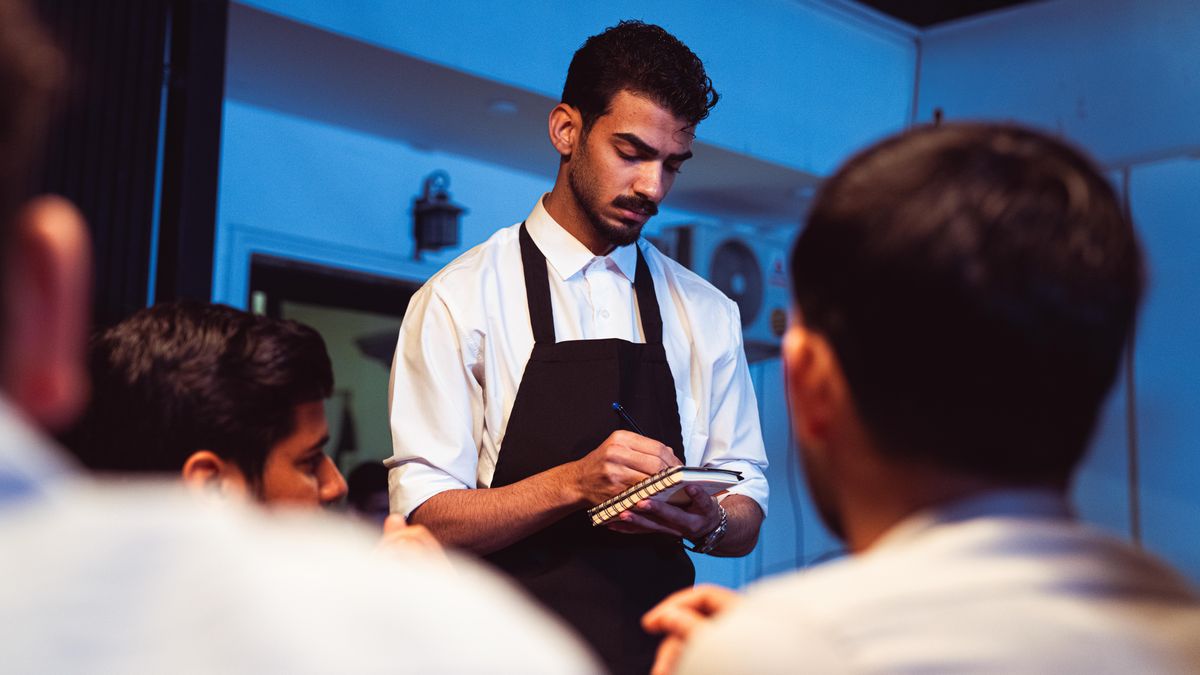
Skipping the tomato is straightforward. Replacing the bread, changing how the chicken is cooked, switching sauces, and rebuilding the side dish creates a much bigger request.
Baker uses a heavily modified chicken sandwich to illustrate how customization can complicate service. Every instruction must move between the customer, server, ordering system, and kitchen. More changes mean more details for everyone to communicate correctly.
His point is about the process, rather than a rule against substitutions. A restaurant might happily accommodate several adjustments when its ingredients and workflow allow them.
Before rewriting an entire sandwich, explain your goal. Ask whether another menu item would be easier to adapt. That gives your server something useful to work with and could lead to a better lunch.
You can still order according to your needs. Just leave room for the kitchen to suggest the most workable option.
Dinner Food During Brunch Service
You loved the restaurant’s evening pasta. Naturally, you want it again when you return for brunch. Unfortunately, knowing how to make a dish does not mean the kitchen is ready to prepare it at every hour.
Bon Appétit’s brunch etiquette guide explains that staffing and prepared ingredients can change between brunch and dinner. The evening menu’s components or cooking stations may not be available during daytime service.
That makes this request different from simply asking the chef to leave something off a plate. You may be requesting a dish outside the kitchen’s current setup.
Ask whether the dinner menu is available before settling on your order. If not, ask your server to recommend something from the brunch selection.
An unavailable entrée is disappointing, but the answer may reflect practical limits. Sticking to the menu keeps the conversation easy.
A Well-Done Steak
Steak doneness can inspire strong opinions, including among the people preparing your dinner. Still, chefs don’t all agree on a well-done order.
In Tasting Table interviews, chef Kevin Tien expressed a preference against well-done steak. Chefs Patrick Ochs and Eli Collins emphasized respecting how guests want their food prepared.
Those different responses matter. One chef’s objection does not establish a restaurant-wide judgment, much less an industry-wide rule.
Order the doneness you enjoy. The useful consideration is how your choice fits the meal’s timing. Food & Wine notes that well-done steak takes longer than Pittsburgh rare, and the longest-cooking item can affect when a table’s food arrives.
Allow for that preparation time instead of assuming a delay means someone objects to your choice. Clear expectations make dinner more pleasant for everyone involved.
A Ramos Gin Fizz When the Bar Is Swamped
With its creamy texture and foamy finish, a Ramos Gin Fizz makes an entrance. Creating that finish also involves more work than pouring wine or assembling a simpler drink.
Punch describes the classic cocktail as laborious, with bartenders responding with either enthusiasm or annoyance. Its recipe includes gin, citrus juices, syrup, cream, egg white, orange flower water, and soda.
Preparation involves a full minute of shaking without ice, followed by another shake with ice. The finished texture requires attention.
If the cocktail appears on the menu, it is reasonable to order it. At an unfamiliar bar, ask whether it is available, particularly when service looks busy.
A bartender might welcome the request or suggest something else. Accepting that answer keeps a complicated drink from becoming a complicated interaction.
A Mojito at a Bar That Is Not Set Up for It
A mojito’s reception can depend on the bar’s setup and the person making it. Speaking to Chowhound, bartender Samantha Follows described retrieving mint, picking leaves, and muddling drinks as other orders accumulated.
In the same article, bartender Julien Aurelien Whaley offered another perspective: fresh ingredients give him opportunities to demonstrate his skills.
The drink itself is not the problem. Ask whether mojitos are available, then consider the bartender’s recommendation if not.
A Margarita Delivered as Separate Ingredients
Asking for a less sweet margarita communicates a preference. Requesting every component separately so you can mix it yourself creates another task.
Whaley told Chowhound that deconstructed cocktails are his biggest ordering pet peeve. He distinguished that request from adjustments he is happy to accommodate.
Explain the result you want, such as less sweetness or an omitted ingredient. That gives the bartender a clear direction without creating a tabletop mixing project.
Restaurant orders should start a conversation. Ask politely, explain your needs, and respect the answer. You deserve food you enjoy, and staff deserve workable requests. Often, that mutual understanding matters more than anything printed on the menu.