6 School Lunch Items From the 1950s That Would Be Banned Today
School lunch in the 1950s was a different world. Cafeteria trays carried homemade cookies, sweet treats, and hearty comfort foods, often served by lunch ladies who knew exactly how to keep hungry children happy.
Back then, nutrition rules were far less detailed than today’s standards. Now, the USDA regulates everything from added sugar to the types of snacks schools can sell.
Federal school meal programs serve nearly 30 million children daily, according to the USDA. That makes cafeteria nutrition a national priority.
Although not every old-fashioned favorite is outright banned, these six throwbacks would face serious restrictions in today’s schools.
Oversized Homemade Cookies
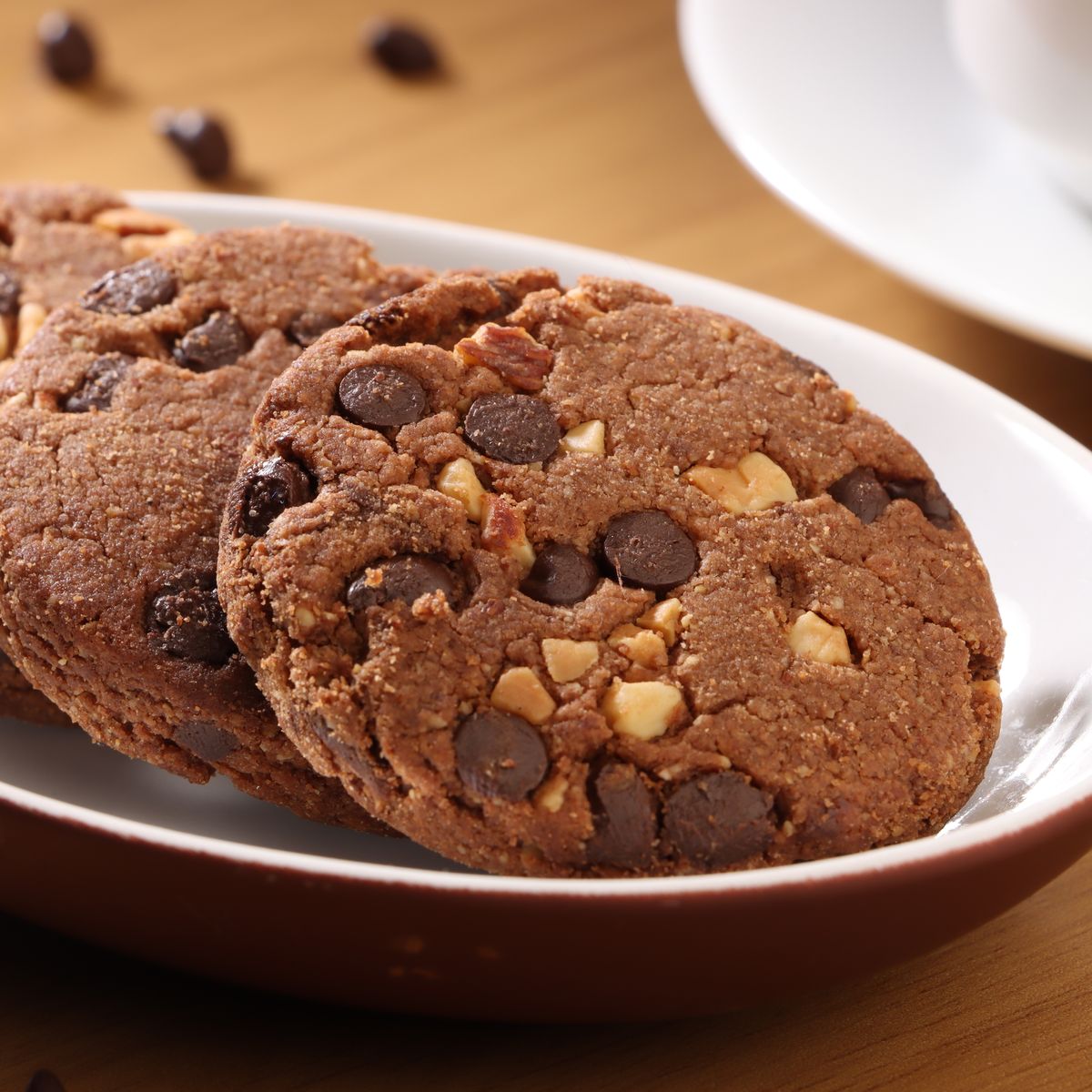
Remember those enormous cafeteria cookies that practically covered your palm? They were a treasured part of school lunch memories.
Los Angeles schools even developed their famous Ranger Cookies in 1952, according to a Los Angeles Times historical report.
Today, oversized cookies sold separately from school meals must satisfy USDA Smart Snacks standards, including limits on calories, sugar, and saturated fat. An ordinary oversized cookie could easily fail those requirements.
The homemade recipe might survive, but the portions and ingredients would probably need an overhaul.
Related: 5 Iconic ’90s Lunch Foods That Defined a Generation
Sugary Chocolate Milk
Chocolate milk has been a cafeteria favorite for generations, but modern schools cannot serve just any version.
Beginning in the 2025–2026 school year, USDA regulations limited flavored milk served with school meals to 10 grams of added sugar per eight-ounce serving.
That means an old-fashioned, heavily sweetened chocolate milk recipe exceeding that limit would no longer qualify.
Interestingly, chocolate milk itself remains perfectly legal. It’s the added sugar that gets scrutinized.
Candy Bars Sold at School
For generations of American students, getting a candy bar at school felt like winning a small lottery.
But selling ordinary candy bars during school hours is another story today.
Under federal Smart Snacks rules, foods sold to students during the school day must meet nutrition requirements.
The USDA specifically identifies candy bars as products that generally cannot be sold during school-day fundraisers unless an approved exemption applies.
That beloved chocolate treat isn’t necessarily forbidden in a child’s lunchbox, but the school store has much stricter rules.
Frosted Doughnuts and Sweet Rolls
Few things could brighten a school morning like a warm, sugary pastry.
Doughnuts and sweet rolls were familiar foods in midcentury America, but selling a traditional frosted version in today’s school cafeteria would be complicated.
USDA standards generally cap qualifying snack foods sold separately at 200 calories per item and require additional nutrition standards.
A large, heavily glazed doughnut would likely struggle to meet those limits.
Modern schools may offer compliant alternatives, but the classic bakery-style version would face restrictions.
Regular Sugary Soda
A fizzy soft drink might seem like a perfectly ordinary midcentury treat, but today’s school beverage rules are much tighter.
Under federal Smart Snacks standards, regular, full-sugar soda cannot be sold as an ordinary school-day beverage.
Elementary and middle schools face especially restrictive beverage rules, while high schools have limited additional options for low-calorie and calorie-free drinks.
The distinction matters: the rule concerns beverages sold at school, not every drink a student might bring from home.
For cafeteria operators, the days of treating regular soda like an everyday lunchtime beverage are over.
Extra-Sugary Breakfast Cereal
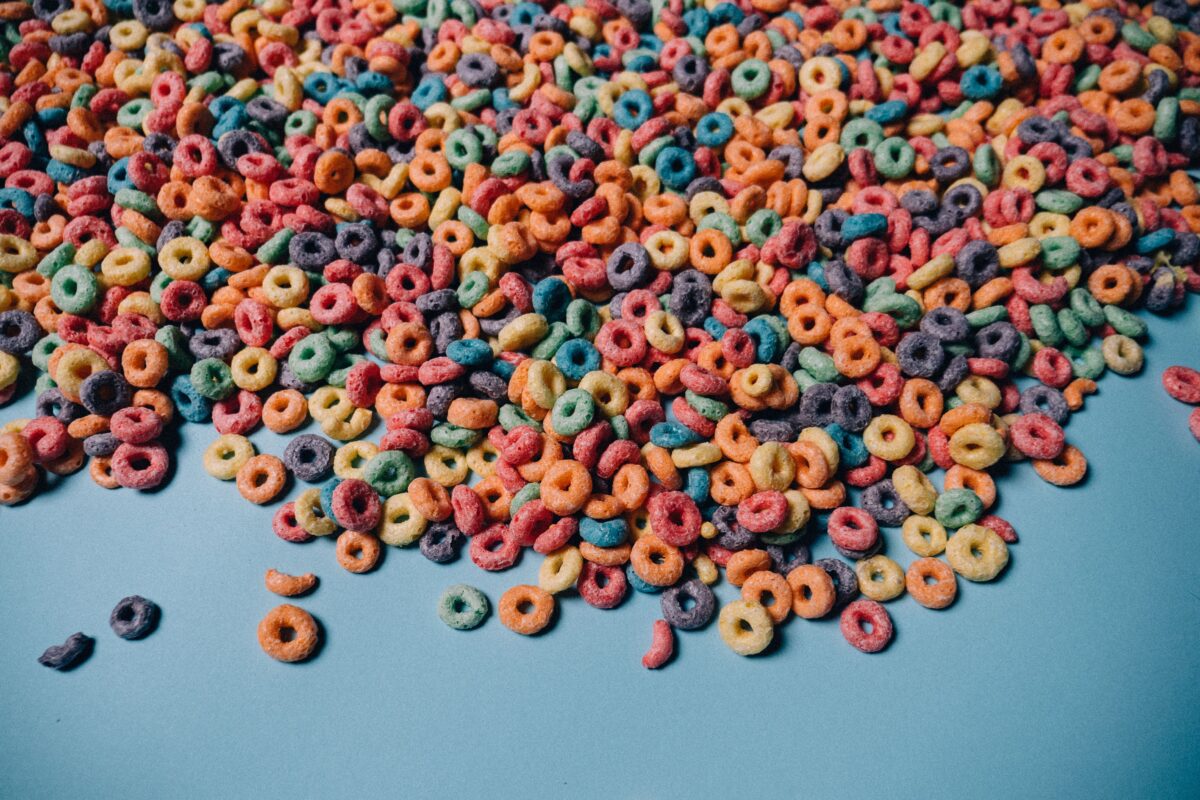
Breakfast cereal became a symbol of convenient American eating in the 1950s, and increasingly sweet varieties transformed the breakfast table.
Today, schools must look beyond colorful packaging and cartoon mascots.
Since July 2025, cereals served through federal school meal programs have been limited to six grams of added sugar per dry ounce.
That means any sugary cereal that exceeds the threshold must be reformulated or replaced to qualify.
It’s another example of how childhood favorites face nutritional scrutiny that earlier generations never experienced.
School Lunch Has Changed, but the Memories Remain
The cafeteria trays of the 1950s reflected a different era, when homemade desserts and simple comfort foods helped define the school day.
Today’s regulations represent decades of changing nutrition research and public policy. The USDA is also scheduled to introduce broader weekly added-sugar limits beginning in the 2027–2028 school year.
Still, those old cafeteria favorites are unforgettable.
The rules may have changed, but ask anyone who grew up with those lunches, and chances are they’ll remember the desserts more fondly than the math lessons.