6 Things a Good Husband Never Says at Family Gatherings
Holiday gatherings put a marriage on display. Between the crowded kitchen, the long table and the relatives who notice everything, a single offhand comment can follow a couple home and linger well into January.
A good husband knows that what he says in front of family carries extra weight. These are six things he keeps to himself, plus what relationship research suggests he say instead.

1. “Your Stuffing Isn’t as Good as My Mom’s”
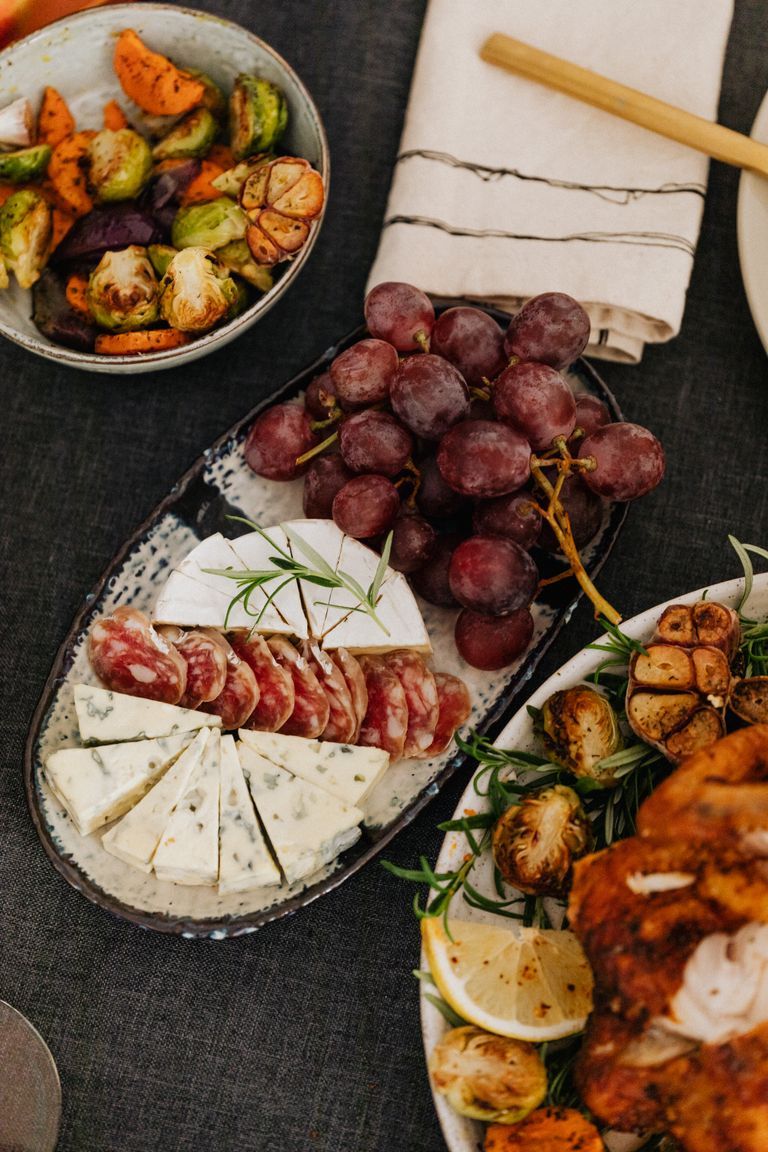
Comparing his wife’s cooking to his mother’s, especially at his mother’s table, is a classic holiday misstep, and it tends to come up right when everyone is passing the side dishes. Even said as a joke, it puts his wife on trial in front of an audience and pits two people he loves against each other.
A good husband praises what his wife brought, thanks his mother for hosting and lets every dish stand on its own. If he has a favorite, he can tell his mom privately. It is one of the easiest ways to dodge the arguments married couples have every holiday season.
2. “Calm Down, You’re Overreacting”
If his wife is frustrated, maybe because dinner is running late or a relative made a pointed remark, telling her to calm down in front of everyone almost never works. It brushes aside her feelings and signals to the whole room that she is the problem.
The Gottman Institute describes this kind of dismissive response as part of a pattern that wears down a relationship over time. A better move is to step out of the room together and ask, “What do you need right now?”
3. Jokes at Her Expense
Teasing can feel harmless, but a running joke about her driving, her spending or her sense of direction lands differently when 15 relatives are laughing. Over a holiday weekend, those small jabs add up.
The Gottman Institute calls contempt, which includes sarcasm, mockery and eye-rolling, the single greatest predictor of divorce in its research. A good husband saves his humor for things they can laugh about together, the way many people are rethinking social norms that should be abandoned.
4. “Tell Them What You Did Last Week”
Some stories belong to the marriage, not the family group chat. Bringing up a recent argument, a money worry or an embarrassing moment at the dinner table, even casually, can make a wife feel exposed.
A good husband treats private matters as private. If something is still bothering him, it can wait for the car ride home, ideally after a little time to cool off. Oversharing in the moment shows up often on lists of the common regrets people experience in adulthood. Keeping confidences is one of the habits of couples who rarely fight on holidays.

5. “Ask My Wife, She Handles All That”
When a relative asks about the kids’ schedules, the Christmas plans or what to bring next year, pointing to his wife as the household manager can sound like a compliment. To her, it often sounds like he has checked out.
A good husband knows the details, or at least shares the load. Women who know their worth tend to notice when the planning always falls to them, and so do their relatives.
6. “When Can We Leave?”
Saying it loudly, sighing it repeatedly or announcing it to her family puts his wife in an awkward spot between him and the people she loves. Even if he is tired or bored, the hosts will hear it, and his wife may spend the rest of the evening apologizing for him.
A better plan is to agree on a departure time before arriving, and maybe a quiet signal if one of them needs to go sooner. Then he can relax, help clear the table, thank the hosts by name and leave on a warm note instead of a tense one.
What He Says Instead
The good news is that small, positive moments count. In a well-known Gottman Institute study, couples who were still married six years later turned toward each other’s bids for attention 86% of the time, compared with 33% among couples who divorced.
At a family gathering, that might be as simple as catching her eye across the room, refilling her drink without being asked or saying, “Thank you for making today happen.” Those are the words relatives remember, and the ones that make the drive home a lot more pleasant.