7 Cast-Iron ‘Rules’ That Turn Out to Be Myths
Cast iron may be the toughest pan in your kitchen, yet people often treat it like fine china. Those warnings have not slowed its popularity, either. Grand View Research estimates that North America’s cast-iron cookware market reached approximately $1.69 billion in 2025 and is projected to expand at a compound annual growth rate CAGR of 7.86% through 2033.
Home cooks clearly still see plenty of value in heavy iron cookware. The problem comes from generations of advice that often turns sensible care into unnecessary kitchen anxiety.
Rust means the pan is ruined
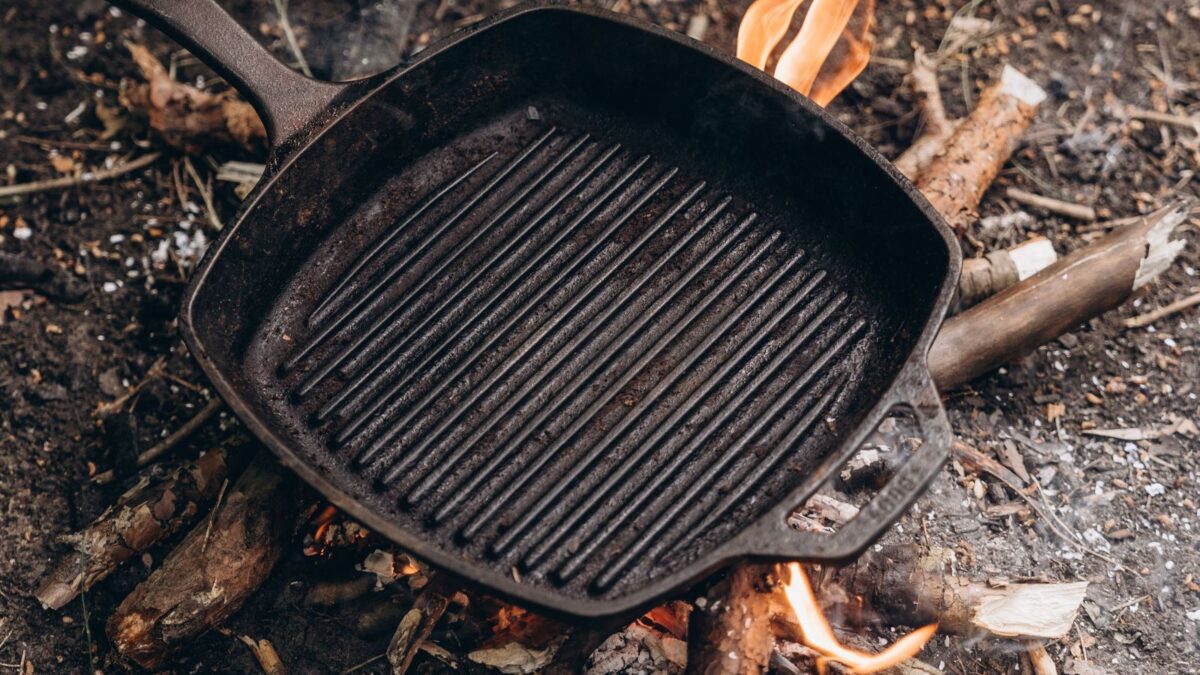
Cast iron looks tough right up until a spot of orange panic sets in. Relax, surface rust isn’t a murder mystery, just a minor cry for attention. Grab a bit of steel wool, give those rough spots a energetic scrub, wash the pan, dry it down, and slap on a fresh layer of oil.
A quick session in the oven rebuilds that slick protective shield bare metal craves. Now, if your skillet sports deep cracks or crater-like pitting, sure, retire it. But simple orange freckles? That’s just a temporary repair job. Dry your trusty pan completely after every single wash, keep it bone-dry, and keep searing uninterrupted.
You should never use soap
Forget the dramatic myths: a tiny drop of dish soap will not obliterate decades of slick, glorious pan seasoning. As noted by the University of Maine Cooperative Extension, if you decide to use dish soap on your cast iron skillet, it is perfectly fine to use a small amount as long as you rinse and dry the pan fully afterward.
The same guide recommends seasoning around 450°F for one hour, which shows how firmly heat bonds oil to iron, proving just how fiercely heat locks that nonstick coating directly to heavy iron. The real villains threatening your cookware are marathon sink soaks and the dishwasher’s watery tomb.
Metal utensils destroy the seasoning
Metal spatulas do not destroy cast-iron seasoning. Thin, flexible fish spatulas glide right under searing burgers or crisping cornbread, lifting dinner without stripping off your non-stick magic. Durable pan iron handles regular scraping just fine; only aggressive gouging forces unnecessary wear and tear.
Remember, heavy cast iron breaks before it ever bends, so avoid striking sharp edges like an absolute maniac. Heavy-duty tools belong in restoring vintage pans, not flipping tonight’s meal. Stir, flip, and cook with confidence using your favorite metal gear. Keep the intense scraping for crusty restoration projects.
Tomatoes and other acidic foods are forbidden
Tomatoes do not magically morph into lethal biohazards upon brushing against raw cast iron. The actual formula relies on a simple trio: acid, liquid, and clock ticks. Research from the University of Illinois Extension reveals that cooking moist, acidic foods in bare cast iron causes the food to absorb significantly more iron. That metallic tang ruins delicate flavors fast.
Quick sizzles like a five-minute pan sauce or blistered cherry tomatoes? Pure perfection. Just save those epic eight-hour bolognese Marathons and heavy red wine reductions for your enameled Dutch oven or stainless steel pans.
Every new pan needs seasoning before use
Think every pan demands a dramatic oil-baking ceremony before its maiden voyage? Not quite! Modern skillets often show up ready to sizzle immediately. Give that shiny piece of iron a quick warm rinse, dry it completely, drop in your fat of choice, and get straight to searing.
Factory oil coating marks the beginning of your cookware’s lifetime story rather than its grand finale. Even factory-treated skillets eventually demand extra attention once the dark finish looks patchy, dull, or strangely sticky under high heat. Always inspect the manufacturer’s label before making wild assumptions. Honor the guidelines and keep sizzling forever.
Relatable: 8 Cast Iron Mistakes That Are Destroying Your Skillet, And How to Fix Them
Pre-seasoned means permanently nonstick
Pre-seasoned cast iron can release food well, but it does not act like a permanent nonstick coating. University of Maine Cooperative Extension states that building a resilient foundation on a clean, dry cast iron pan requires repeating the oiling and baking process 3 to 5 times. Cooking improves that finish, because heated oil adds polymerized layers over time.
Eggs can still grab a cold, dry, or weakly seasoned pan. Preheat sensibly and use enough fat. If sticking gets worse, clean the skillet, dry it, and refresh the seasoning instead of blaming the iron well.
Cast iron cannot go on glass or induction
Cast iron on glass or induction isn’t a kitchen crime; it just demands respect. Magnetic bare iron pairs with induction like a dream, provided you lift the pan rather than dragging its rugged bottom across smooth, vulnerable surfaces. Don’t shock cold metal with blistering heat, unless you enjoy cracking your favorite skillet.
Keep things centered, let the pan warm up with a steady patience, and always lift when moving it. Careless dragging leaves scratches, but treat that heavy iron right, and your cooktop stays spotless while your meals taste legendary. Every sizzling dish proves that tradition and modern tech make a surprisingly brilliant culinary team.