7 Childhood Foods That Suggest You Grew Up Upper-Middle-Class
Remember opening your lunchbox and finding something your classmates had never heard of? Maybe your family stocked the fridge with organic yogurt, fresh berries, and fancy cheeses instead of the usual snacks. These little food habits may have hinted at a comfortable upbringing.
According to the USDA, America’s highest-income households spent an average of $16,989 on food in 2024, compared with $9,097 for middle-income households. Although no single food reveals someone’s financial background, these seven childhood favorites might bring back memories of growing up with a little extra spending money.
Smoked Salmon on Bagels

For many American kids, a bagel meant cream cheese or butter. But if yours came with smoked salmon, capers, and thinly sliced red onions, breakfast probably looked a little fancier.
Smoked salmon has long been part of American Jewish food traditions, so it isn’t automatically a sign of wealth. Still, eating it regularly for breakfast rather than as a special-occasion treat could suggest your family had more room for premium groceries.
Sushi for Dinner
Pizza and burgers were common childhood takeout choices. But some kids grew up ordering California rolls, salmon rolls, and miso soup without giving it a second thought.
If sushi night was a regular family tradition, your parents may have been comfortable spending more on restaurant meals. The real clue wasn’t simply eating sushi. It was having the freedom to choose restaurant food frequently without treating every order as a major expense.
Related Post: 5 Iconic ’90s Lunch Foods That Defined a Generation
Imported Cheese and Fancy Crackers
Did your family serve Brie, Gouda, or aged cheddar with crackers when guests visited? Perhaps your childhood refrigerator had a dedicated cheese drawer filled with options beyond American singles.
These foods weren’t necessarily expensive everywhere, but regularly buying specialty cheeses suggested a willingness to spend on variety and entertaining. For kids raised on grilled cheese made with packaged slices, your family’s cheese board might have seemed unusually sophisticated.
Fresh Berries All Year Round
If your refrigerator always had fresh raspberries, blueberries, and strawberries, you might have grown up in a household with a generous grocery budget.
For some families, berries were occasional treats. In your house, they might have appeared in breakfast bowls, lunchboxes, and after-school snacks. A USDA report found that Imports of fresh highbush blueberries increased drastically between 2000–2002 and 2018–2020 (44 million to 450 million pounds), reflecting how dramatically American shopping habits changed.
Organic Yogurt and Snacks
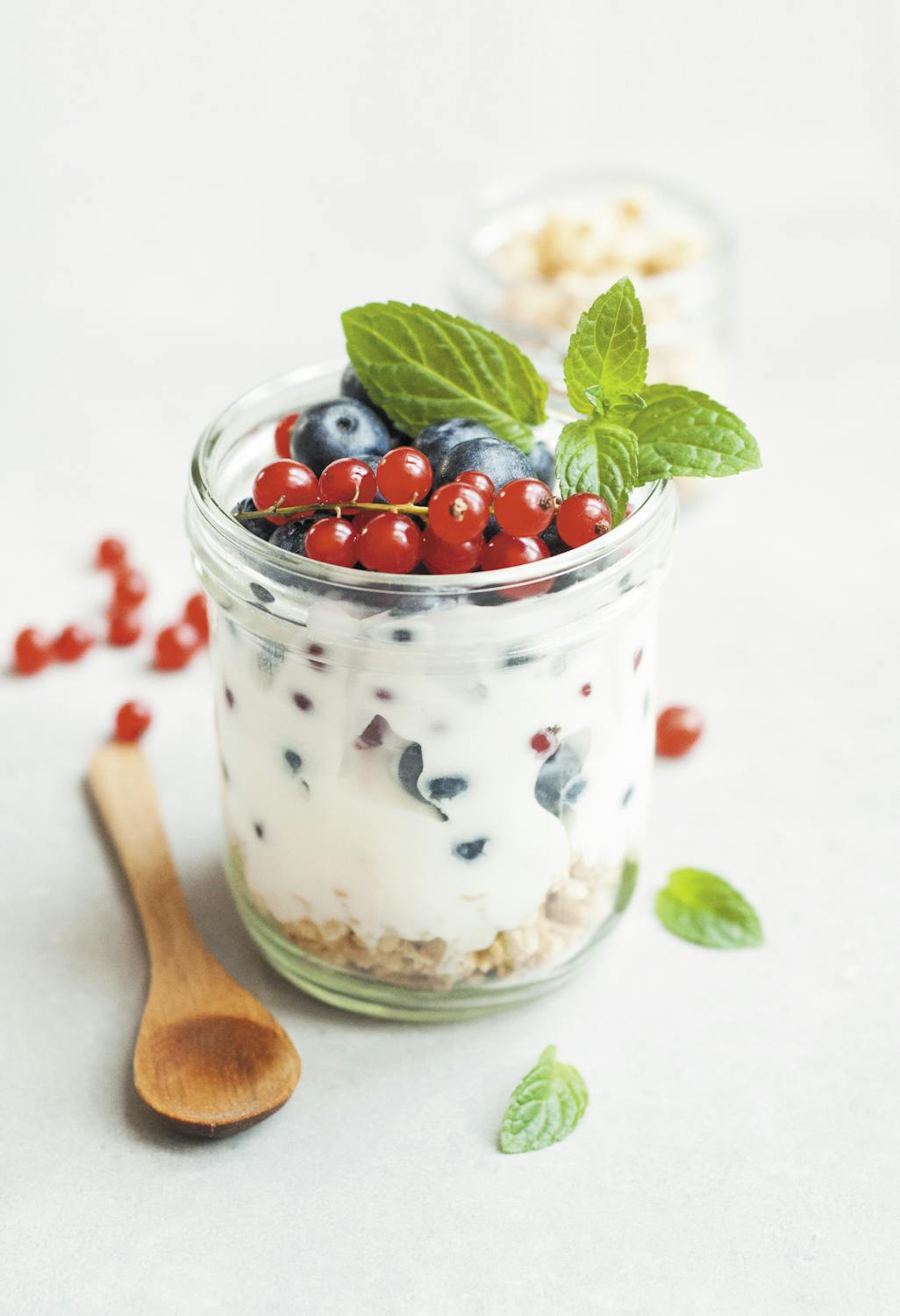
Remember having organic yogurt cups, fruit snacks, and crackers that seemed a little different from what everyone else brought to school?
Parents willing to spend extra on specialty groceries often made organic products part of their regular shopping routine. According to the Organic Trade Association, U.S. organic food sales reached $65.4 billion in 2024. Those childhood snacks may have reflected a household that could afford to prioritize specific brands and ingredients.
Homemade Pesto Pasta
Spaghetti with jarred tomato sauce was a familiar weeknight dinner for many Americans. But perhaps your family regularly made pesto using fresh basil, Parmesan, olive oil, and pine nuts.
Fresh ingredients and specialty pantry staples can make a simple pasta dinner more expensive. If homemade pesto was an ordinary Tuesday meal in your house, it might hint at both a flexible food budget and parents who enjoyed spending time cooking.
Avocados With Almost Everything
If you grew up eating avocado on toast, in salads, and alongside scrambled eggs, your family may have been ahead of a major American food trend.
Avocados aren’t reserved for wealthy households, especially in regions where they’re widely available. But routinely buying fresh avocados, even when prices climbed, could point to a family with more flexibility in its grocery spending.
Of course, childhood food memories depend on culture, location, and family priorities just as much as income. Still, if several of these foods were everyday staples in your home, you may have enjoyed a more comfortable upbringing than you realized.
Which of these seven foods regularly appeared in your childhood kitchen, and what did your friends think of them?